language
    Service Support
    High quality, excellent service, and pursuit of development.

    Solution

    Solving user problems and core technological innovation are the key development strategies of the company. Changsha Zoomlian Pump Co., Ltd. has a new product R&D center and a CAD/CAE design system, with independent development, design, and research capabilities for water pumps. For many years, it has maintained a development path that combines traditional and new products, and vigorously promotes the brand strategy.

    Self-Balanced Multistage Pump Structural Diagram

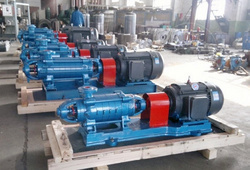
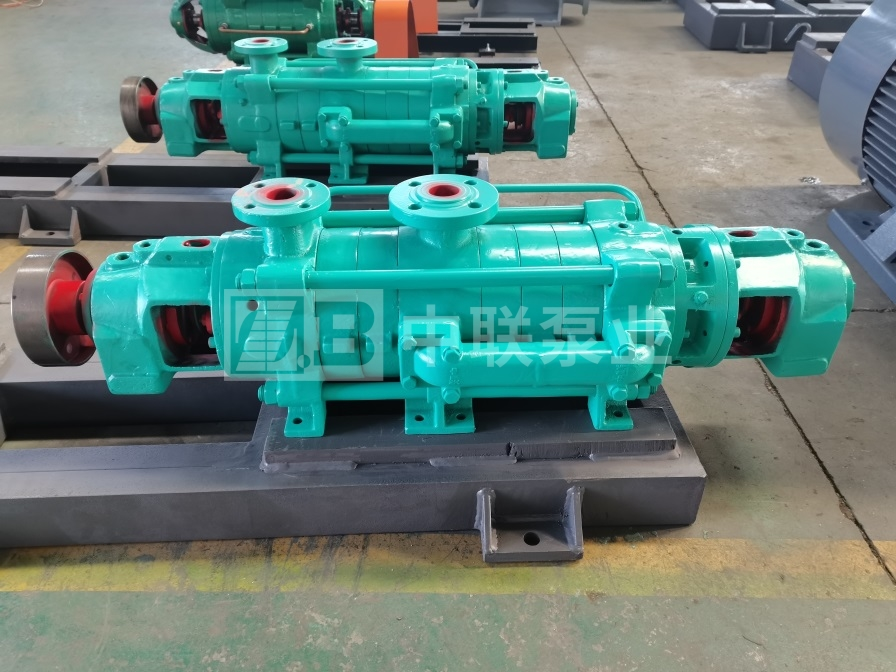
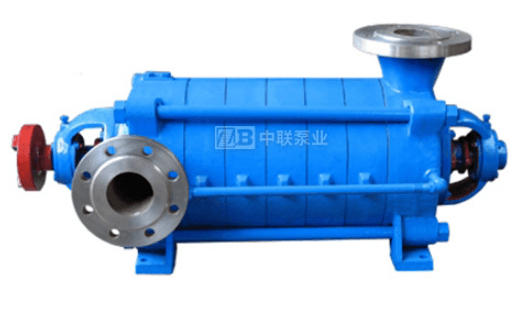
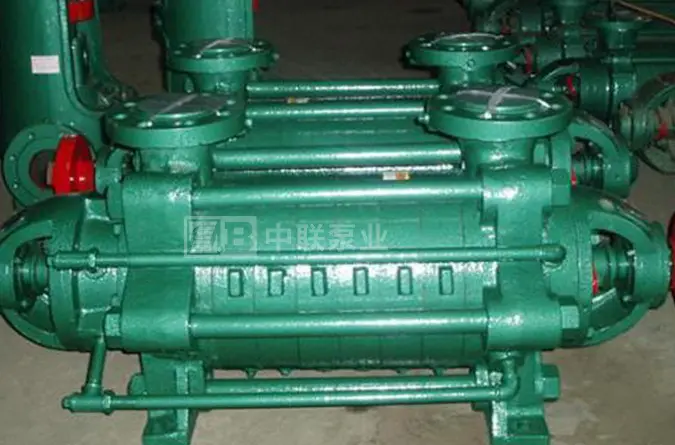
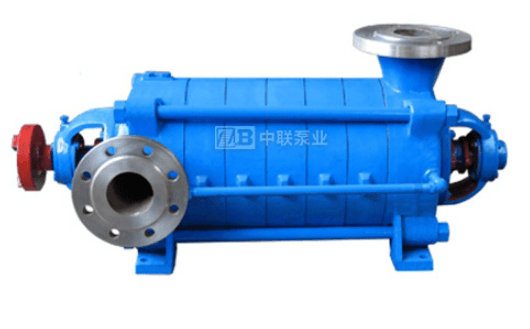
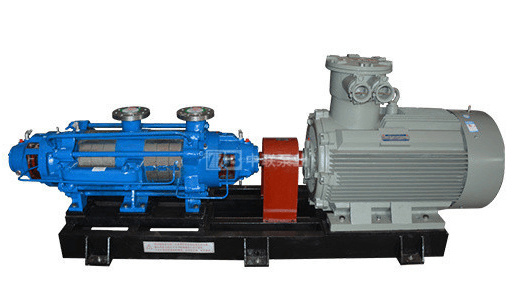
    Our company, Changsha Zoomlion Pump Industry, has developed a self-balancing, horizontal sectional multistage centrifugal pump—designed with either single-suction or double-suction first-stage impeller configurations—by leveraging advanced technologies from similar foreign products. After thoroughly absorbing and adapting these cutting-edge innovations, combined with our own decades of experience in pump R&D, we’ve created this new, highly efficient and energy-saving product tailored to meet the diverse needs of pump users and drive further advancements in the pump industry. This pump is specifically designed to replace traditional D-type multistage centrifugal pumps, adhering to the stringent API1601 standard. It boasts exceptional features such as a wide high-efficiency range, an extensive performance spectrum, excellent cavitation resistance, fewer wear parts, and convenient installation and maintenance.

    08

    2025-09

    Wear-resistant multistage pump for coal mines

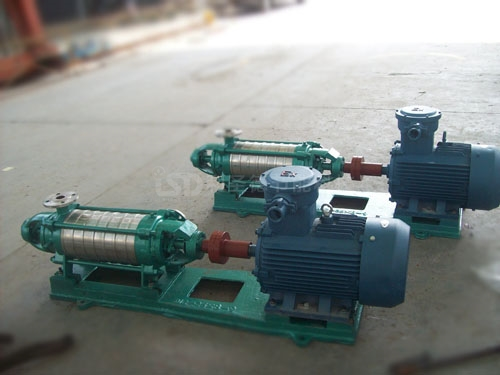
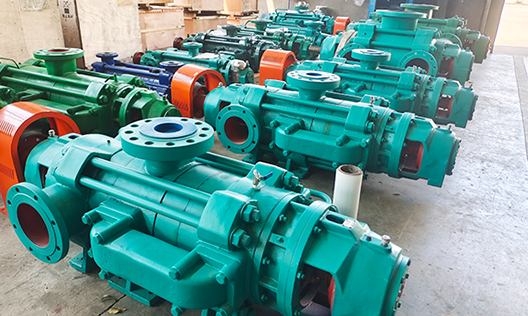
    In coal mining production and processing, water pumps are essential and widely used equipment. Typically, multi-stage centrifugal pumps of the D, MD, and MD(P) series are selected for mine applications. The main difference between the D and MD series lies in their material composition, with the latter offering superior wear resistance. Meanwhile, the MD(P) pump is a self-balancing, multi-stage centrifugal water pump specifically designed for coal mines. In addition to its high-head capability, this model also boasts exceptional durability against abrasion.

    05

    2025-09

    Horizontal Multi-stage Booster Pump

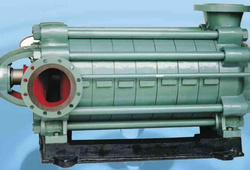
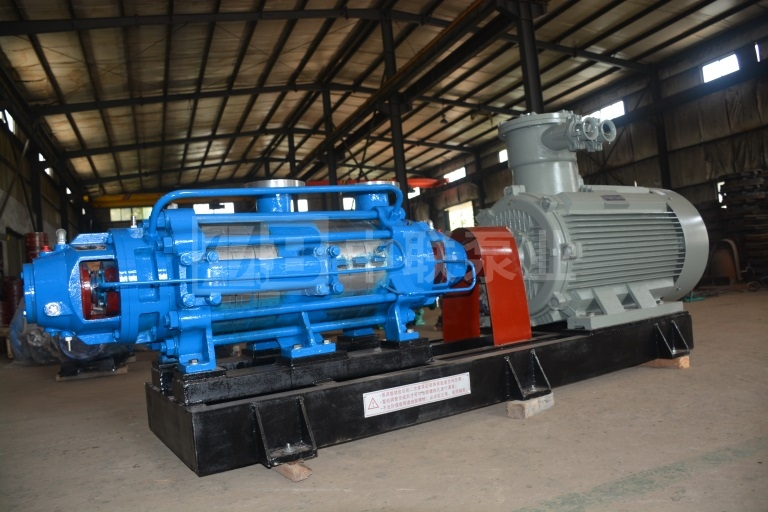
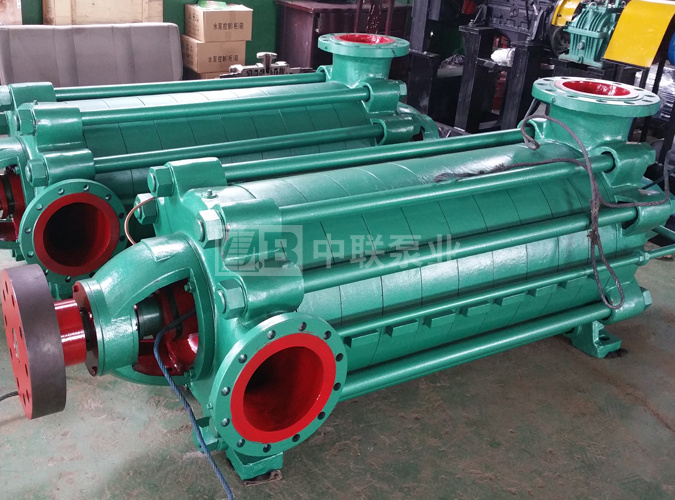
    The horizontal multistage booster pump is a horizontally mounted, single-suction, multistage, segmental/sectional centrifugal pump featuring an advanced and rational design. It boasts high efficiency, excellent anti-cavitation performance, minimal vibration, smooth and reliable operation, and an extended service life. Primarily designed to convey clean water or other liquids with physical and chemical properties similar to water, this pump can also be adapted for handling hot water, oils, corrosive fluids, or media containing abrasive particles by modifying the material of its flow components, adjusting the sealing configuration, and incorporating an additional cooling system.

    05

    2025-09

    Corrosion- and Wear-Resistant Centrifugal Pump

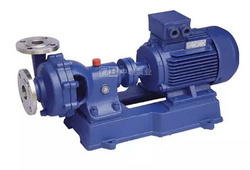
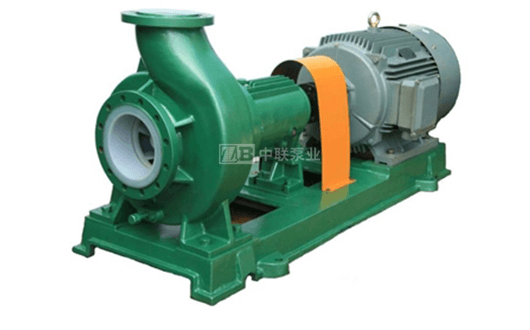
    In industries such as non-ferrous metallurgy, building materials, environmental protection (including desulfurization and flue gas desulfurization), and coal chemical engineering, centrifugal pumps are frequently used to handle abrasive or corrosive solid-liquid two-phase flows. In addition to the general performance characteristics of pumps, corrosion- and wear-resistant centrifugal pumps must also meet the stringent requirements imposed by the unique properties of the media being conveyed—for instance, many of these media contain sulfuric acid, hydrochloric acid, hydrofluoric acid, metal ions, and substances with a pH range of 5 to 6. As a result, the pump must exhibit excellent corrosion resistance and reliable sealing capabilities. Meanwhile, certain media have high concentrations, and particles near the bottom wall tend to have lower random velocity averages compared to those farther away from the bottom, which can easily lead to blockages—thus necessitating careful consideration of how concentration affects pump performance. Additionally, some liquid media contain solid particles that can cause erosion and abrasion in the flow passages; therefore, the pump's design and material selection must account for minimizing wear rates. Furthermore, for certain media with temperatures ranging between 65°C and 85°C, the impact of temperature on pump performance cannot be overlooked.

    05

    2025-09

    High-Temperature, High-Pressure Pump

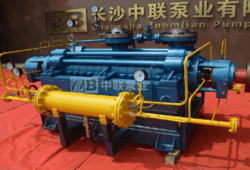
    Currently, high-temperature, high-pressure pumps are increasingly being used in fields such as petrochemicals, metallurgy, power generation, synthetic fibers, food processing, and mining. They are essential for equipment requiring high pressure accuracy or in experimental setups, where they handle the transportation of various media that operate under extreme temperature and pressure conditions. Given the inherently high-temperature and high-pressure characteristics of the media being transported, selecting and designing these pumps demands rigorous standards. This includes stringent requirements for the strength of flow-path components, sealing mechanisms, and even the overall structural design to ensure reliable performance under demanding operational conditions.

    05

    2025-09

    Type D Horizontal Multistage Centrifugal Pump

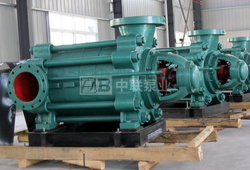
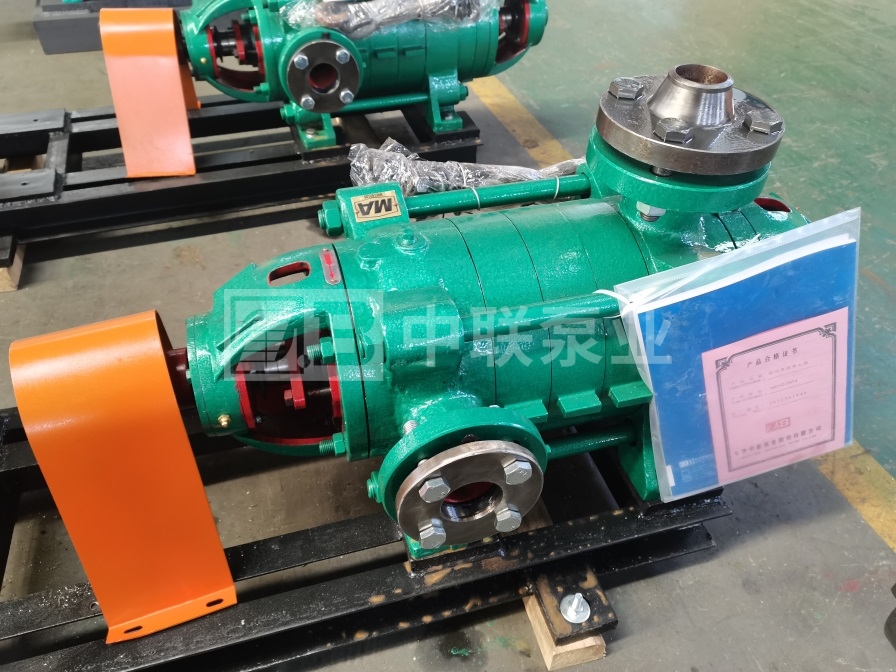
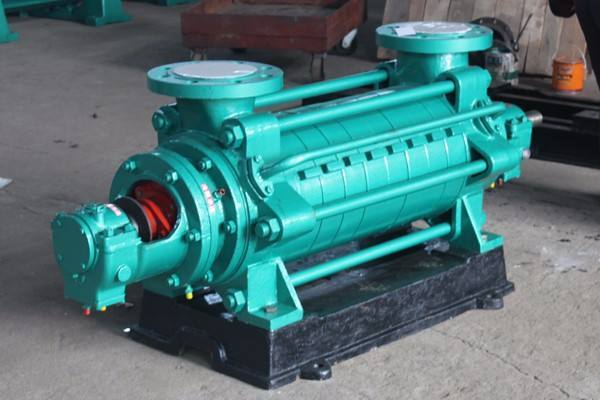
    The D pump series features horizontal, single-suction, multistage, sectional centrifugal pumps that boast high efficiency, a wide performance range, safe and stable operation, low noise levels, long service life, and convenient installation and maintenance. D-type pumps deliver flow rates ranging from 3.7 to 1,350 m³/h and can achieve head pressures between 49 and 1,800 meters. They are designed for conveying clean water or other liquids with physical and chemical properties similar to water. Additionally, by modifying the material of the pump’s wetted components, adjusting the sealing configuration, or incorporating an enhanced cooling system, these pumps can also handle hot water, oils, corrosive fluids, or media containing abrasive particles. The product complies with the JB/T 1051-93 standard titled "Types and Basic Parameters of Multistage Clean Water Centrifugal Pumps."

    05

    2025-09

    Bubble Feedwater Pump

    The steam drum serves as the crucial link connecting the three key processes of working fluid heating, evaporation, and superheating, ensuring proper water circulation within the boiler. Meanwhile, the boiler itself is a quintessential example of a complex thermal control system. Among its critical parameters, the water level in the boiler drum is essential for maintaining safe and stable operation. Moreover, it acts as a vital indicator of whether the mass balance in the boiler's steam-water system is maintained. Keeping the boiler drum water level within the specified range is one of the primary indicators of normal boiler operation.

    05

    2025-09

    Gray Water Pump

    The high-pressure ash water pump is auxiliary equipment supporting the washing and slag-handling processes in the pressurized coal-water slurry gasification unit. It is used to convey media—specifically, coal-ash-containing water—from the ash water treatment section. A portion of the low-pressure ash water, after being recovered via steam stripping from the deaerator tank, is sent back for recirculation in the gasification scrubbing tower, while the remaining part serves as emergency quench water, backflushing water for the slag-lock valve, and pressurizing water for the lock hopper, ultimately feeding into the gasification section. This process enables the efficient recycling of ash water. (In the coal-water slurry gasification process, the scrubbing tower ash water pump pressurizes the ash water, which is then directed to the coal gas scrubbing tower. The ash water subsequently flows into a sedimentation tank, where it’s pumped by the ash water pump to the deaerator. From there, the ash water passes through a filter screen before being reintroduced into the ash water circulation pump, completing one full ash water cycle.)

    05

    2025-09

    Deaerated Feedwater Pump

    In a thermal system or power plant, the deaerator feedwater pump is one of the key pieces of equipment, primarily responsible for supplying deionized water to the deaerator. Since the deaerator is a mixed-temperature heating device, it must be followed by a pump that boosts the pressure before the water enters the boiler—this pump is known as the feedwater pump. The feedwater pump takes the deoxygenated feedwater, which has already been treated to remove oxygen and maintains a specific temperature, and delivers it to the boiler at an elevated pressure. This ensures that the metal components of the boiler, steam turbine unit, and the entire system remain protected from excessive oxidation and corrosion even under high-temperature conditions. Additionally, the feedwater pump helps maintain the proper water level in the deaerator, thereby guaranteeing a steady supply of water to the waste heat boiler and meeting the boiler's critical water demands.

    05

    2025-09

    Desulfurization Slurry Circulation Pump

    The desulfurization slurry circulation pump is one of the most critical pieces of equipment in a thermal power plant's flue gas desulfurization system. Its primary function is to continuously circulate the slurry within the absorption tower, ensuring a steady supply of lime浆—delivered to the top of the tower and then sprayed downward—to facilitate counter-current contact with gases such as SO₂ (sulfur dioxide), nitrogen oxides, and carbon monoxide inside the tower. This process effectively absorbs large amounts of corrosive gases from the flue gas, protecting the corrosion-resistant materials lining the absorption tower from damage caused by high-temperature exhaust gases. More than half of the electricity consumed by the FGD flue gas desulfurization system is used to power the absorption tower circulation pumps, making reliability and longevity of these pumps paramount. Consequently, the pumps must operate with exceptional efficiency. The hydraulic design, structural design, and selection of flow-path components for the FGD desulfurization slurry circulation pump directly influence the pump's operational efficiency and overall reliability.

    05

    2025-09

    MDEA Natural Gas Decarbonization Pump

    The MDEA natural gas decarbonization pump, also known as the lean solvent pump or amine water pump, uses MDEA, which stands for N-methyldiethanolamine. The MDEA decarbonization unit is a process designed to remove acidic gases from natural gas with high carbon dioxide content. This MDEA-based decarbonization technology leverages an activated MDEA aqueous solution to absorb CO2 from high-pressure, ambient-temperature natural gas or syngas. Subsequently, by reducing pressure and increasing temperature, the absorbed CO2 is desorbed back into the gas phase, effectively regenerating the solvent in the process. Since dissolved CO2 forms carbonic acid in water, which can increase the acidity of the liquid and lead to corrosion of steel, untreated natural gas could react with residual moisture in residential gas pipelines, forming carbonic acid that gradually erodes the pipeline walls, potentially causing leaks and even accidents. To ensure efficient and safe decarbonization, the MDEA amine solution purification system relies on multi-stage decarbonization pumps. These pumps are not only ideal equipment for CO2 removal during raw material gas purification in the synthetic ammonia industry but also serve as an outstanding choice for various other chemical processing applications.

    05

    2025-09

    Highly Corrosion-Resistant Pump

    The highly corrosion-resistant pump is a widely used chemical pump product in industrial sectors. As the name suggests, it is a chemically resistant pump with exceptional durability against corrosive substances, primarily designed for transporting liquids that exhibit corrosive properties. It finds applications in industries such as petroleum, chemical processing, fertilizer production, synthetic fibers, power generation, metallurgy, papermaking, mining, light textiles, pharmaceuticals, sugar manufacturing, acid and alkali production, food processing, and environmental protection—enabling the efficient conveyance of acids, bases, oils, rare and precious liquids, toxic substances, and even volatile, corrosive chemical media of varying concentrations.

    05

    2025-09

    Boiler Pressure Testing Pump

    The boiler pressure testing pump is an ideal device specifically designed for water pressure tests in boiler feed pump rooms and for generating high-pressure liquids in laboratories. It is suitable for conveying clean water or non-corrosive liquids with physical and chemical properties similar to water, provided the medium temperature remains below 280°C.

    05

    2025-09

    QW-Type Submersible Sewage Pump

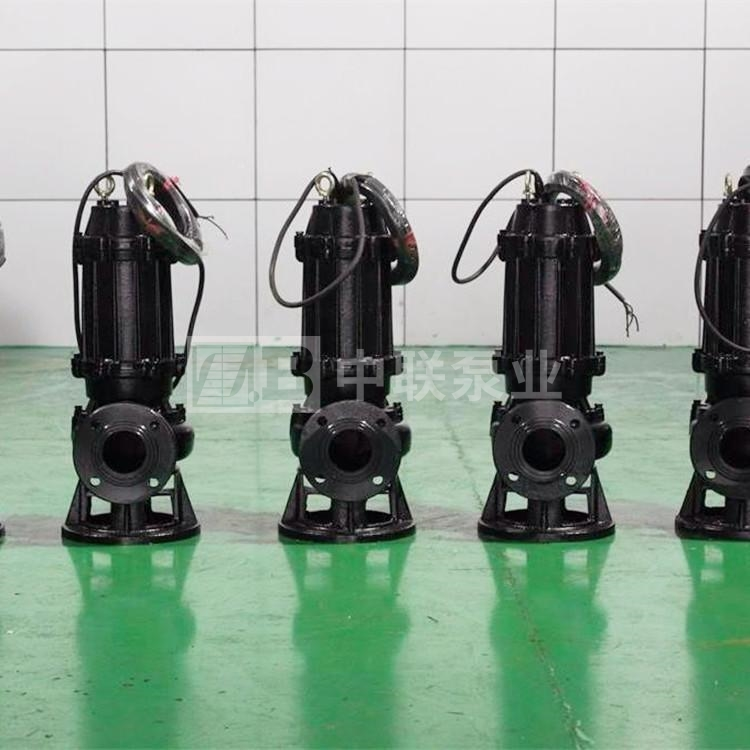
    The QW-type submersible sewage pump, commonly known as the QW submersible sewage pump, is a highly efficient, non-clogging submersible pump designed for wastewater discharge. Its main components include an impeller, pump body, and a submersible motor mounted on a base. Featuring a rational design and a well-matched motor, this pump boasts high efficiency and remarkable energy-saving performance. This model represents our company's latest product development. Thanks to its unique single-channel impeller and advanced dynamic sealing system—equipped with two sets of specially engineered hard alloy mechanical seals—the pump ensures reliable operation without clogging. Combined with its exceptional efficiency and outstanding energy savings, it stands as the cutting-edge solution for upgrading and replacing traditional pump technologies in China, earning widespread acclaim and positive feedback from users.

    05

    2025-09

    High-pressure centrifugal water pump

    Pumps are classified into three categories—low-pressure, medium-pressure, and high-pressure pumps—based on the fluid pressure they generate. Typically, pumps with outlet pressures below 2 MPa are referred to as low-pressure pumps, those between 2 and 6 MPa are called medium-pressure pumps, and pumps exceeding 6 MPa are designated as high-pressure pumps. High-pressure water pumps are primarily divided into two main types according to their working structures: impeller pumps and positive-displacement pumps. Among these, centrifugal pumps are a type of impeller pump. Due to their advantages—such as high rotational speed, compact size, lightweight design, high efficiency, large flow rate, simple structure, smooth and continuous operation, ease of both operation and maintenance, and long service life with minimal maintenance requirements—centrifugal pumps have the widest range of applications.

    05

    2025-09

    Coke Quenching Pump

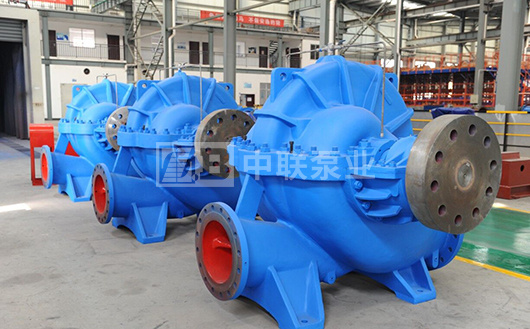
    With the rapid development of industry, coking enterprises have gradually expanded in scale, and metallurgical coke technology continues to evolve and improve. Coke quenching is a critical step in the production of coke. Although dry quenching technology is now available—albeit with limited processing capacity—a significant portion of coke still relies on the traditional wet quenching method. Among these methods, quenching with residual ammonia water remains a commonly used approach. The quenching pump is the primary essential equipment in the wet quenching process, and most coking plants currently use double-suction, center-split pumps for this purpose.

    05

    2025-09

    High-pressure ammonia pump

    As coal resources become increasingly depleted, high-quality coking coal is growing scarce in the coking industry. Meanwhile, the use of gas coal and weakly caking coal can be significantly expanded through the application of ramming coke ovens. Consequently, the advantages of ramming coke ovens are becoming more evident, making this advanced coking technology steadily favored by production enterprises. However, since coal charging in ramming coking processes is conducted through the machine-side furnace door, smoke emissions tend to be quite severe. To address this environmental concern, a widely adopted solution involves combining high-pressure ammonia pumps with dust removal vehicles. The high-pressure ammonia pumps deliver pressurized ammonia into the raw gas extraction system, effectively suppressing smoke and capturing dust during coal charging. This integrated approach has yielded remarkable environmental benefits.

    05

    2025-09

    Ammonia pump

    Ammonia water is an aqueous solution of ammonia, appearing colorless and transparent with a pungent odor. Ammonia gas is highly soluble in water and ethanol, readily volatile, and exhibits some of the typical properties of a base. It is produced by bubbling ammonia gas into water. Ammonia gas is toxic, irritating, and corrosive—particularly aggressive toward copper but less harmful to steel. Therefore, it’s essential to use specialized ammonia pumps designed specifically for transporting ammonia water, ensuring efficient circulation within the ammonia system.

    05

    2025-09

    Type D Multistage Clear Water Pump

    The D-type multistage clear water pump is a multi-stage, sectional centrifugal clear water pump suitable for use in mining, industrial plants, and urban water supply and drainage systems. It is designed to convey clean water free of solid particles, abrasives, or suspended solids—specifically, liquids with physical and chemical properties similar to pure water. The temperature of the liquid being pumped can range from -20°C to 80°C, and the pump can handle inlet pressures up to 0.6 MPa. Typically, the pump body is made of cast iron due to the stable chemical nature of the clear water being transported, which results in minimal corrosivity. However, vertical multistage clear water pumps are also available in stamped stainless steel versions, allowing customization based on customer requirements. From a cost-performance perspective, horizontal clear water pumps commonly feature cast-iron construction.

    05

    2025-09

    < 123 > proceed page