

-
Products
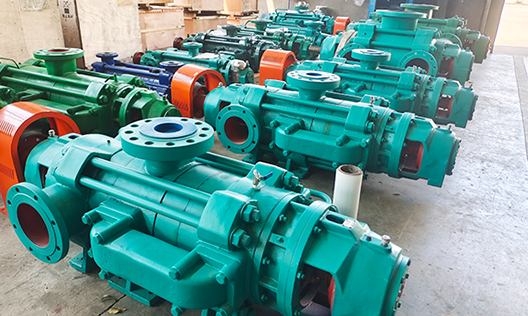
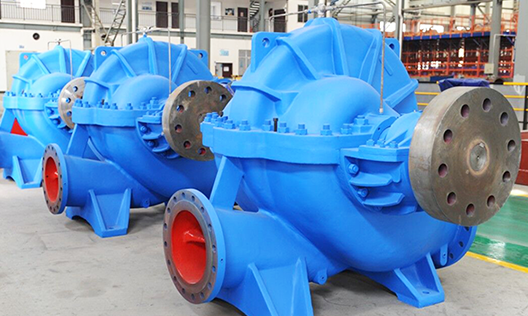
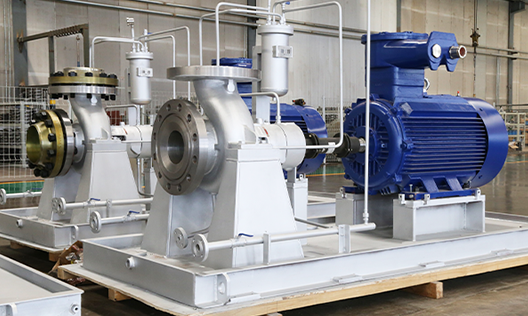
Puede fabricar 26 series de productos, incluyendo bombas de circulación para grandes centrales eléctricas, bombas de condensación para grandes centrales eléctricas, bombas petroquímicas, bombas multietapa, bombas de aguas residuales y lodo, bombas multietapa autoequilibradas, bombas de doble succión y única etapa tipo split, y bombas centrífugas de succión simple y única etapa.
-
Cases
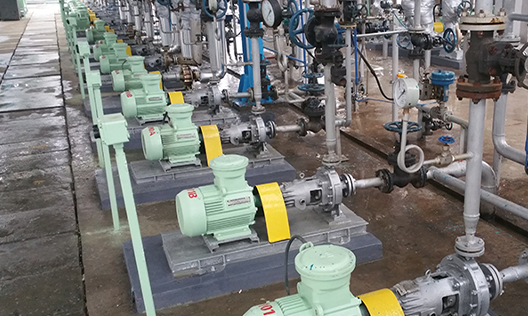
La elección de más de cientos de miles de clientes, cubriendo industrias como minería de carbón, metalurgia, química, energía, recursos hídricos, alimentos, municipalidades y protección ambiental, y exportando a Asia Sudeste, África, América y otros lugares.
-
Service
La empresa fue la primera en la industria en obtener las certificaciones internacionales del sistema de calidad ISO 9001:2008, del sistema de gestión ambiental ISO 14001 y del sistema de gestión de seguridad y salud ocupacional GB/T 28001, además de la certificación API 610 de la Asociación Estadounidense del Petróleo.
-
About us
La empresa, fundada en 1989, es una empresa nacional de alta tecnología integral que integra diseño, investigación y desarrollo, fabricación y servicios; actualmente es una empresa clave en la industria china de bombas centrífugas y una de las grandes fábricas especializadas.
-

Blogs
Con productos innovadores, calidad excepcional y servicios integrales, buscamos la verdad y la pragmática, avanzamos con iniciativa, y nos esforzamos por lograr el objetivo de ser "la marca líder en el campo de aplicación de bombas centrífugas en el país"! Raigada en Hunan, orientada a todo el país y hacia el mundo!
What causes a multi-stage pump mechanical seal to fail within less than a month?
Publication Date:
2026-03-12
Author:
Source:


During the operation of multistage pumps, mechanical seals often fail—exhibiting leakage and wear within less than a month—representing a frequent failure that plagues industrial enterprises. Not only does this lead to shutdowns for maintenance and production interruptions, but it also significantly increases the costs associated with component replacement and operational upkeep. Based on years of… Multistage pump R&D, production, and on-site service experience. Changsha Zoomlion Pump Industry Identify the five core reasons behind the rapid failure of multi-stage pump mechanical seals, and provide targeted solutions based on actual operating conditions to help users mitigate risks at their root.

1. Misalignment Between Selection and Operating Conditions: Seals That Are “Inherently Unsuitable” Are Prone to Failure
The primary reason for the rapid failure of mechanical seals is that the seal selection does not align with the actual operating conditions of multistage pumps. Changsha Zoomlion Pump Industry reminds users to ensure that the seal selection precisely matches the characteristics of the medium and the operating parameters.
Media Compatibility Issues: When conveying media containing solid particles (particle size > 5 μm) or fibers, using standard flat seals instead of wear‑resistant silicon carbide/silicon nitride sealing surfaces will result in rapid abrasion and damage to the seal rings by the particles. Additionally, failing to pair highly corrosive media with corrosion‑resistant materials (such as 316L + PTFE composite seals) can lead to swelling and cracking of the sealing components.
Parameter mismatch deviation: When the actual operating pressure and temperature of a multistage pump far exceed the seal’s rated values—such as when a metal bellows seal is not selected for high‑temperature applications—or when the shaft speed exceeds the seal’s recommended operating range, this will accelerate wear and deformation of the sealing surfaces, thereby shortening the seal’s service life.
2. Non‑standard installation and operation: Human error creates hidden risks.
The installation of mechanical seals for multistage pumps requires extremely high precision; improper operation can directly lead to premature seal failure. Common issues include:
Coaxiality and Perpendicularity Deviations: If the coaxiality error between the pump shaft and the seal chamber exceeds 0.05 mm during installation, or if the perpendicularity of the seal end face fails to meet the specified standards, eccentric wear will occur during operation, leading to rapid failure of the sealing surface.
Improper compression control: If the sealing spring is compressed too much, the pressure on the sealing surface becomes excessively high, leading to severe friction and heat generation; if the compression is too small, an effective seal cannot be formed, making leakage likely to occur.
Insufficient cleanliness: Residual oil, iron filings, and other contaminants left on the sealing surfaces and shaft sleeve surfaces during installation can scratch the sealing surfaces during operation, leading to leaks.
3. Failure to Adapt Media Characteristics in a Timely Manner: Harsh Media Accelerates Seal Damage
The physicochemical properties of the medium conveyed by multistage pumps directly affect the service life of mechanical seals. Some issues that are easily overlooked include:
Unprocessed impurities in the medium: Unfiltered particles and sand grains in the medium can become embedded in the sealing surfaces, acting as “abrasives” that quickly wear through the sealing rings.
Fluctuations in medium conditions: Sudden and drastic changes in medium temperature—such as frequent starts and stops that cause temperature differences exceeding 50°C—can lead to uneven thermal expansion and contraction of sealing elements, resulting in deformation and cracking.
Insufficient Lubricity: When conveying media with poor lubricity, such as clear water, without a matching flush and lubrication system, the sealing surfaces lack oil film protection, leading to rapid wear due to dry friction.
4. Equipment Malfunction: Cascade Damage to Mechanical Seals
Abnormal operation of the multistage pump body can indirectly lead to premature failure of the mechanical seal, so it requires close attention:
Excessive Vibration and Axial Movement: Pump shaft bending, bearing damage, or impeller imbalance can cause pump operating vibration to exceed 4.5 mm/s, leading to uneven stress on the sealing surfaces and subsequent wear; when axial movement exceeds 0.3 mm, it can compromise the mating condition of the sealing surfaces.
Unstable pump chamber pressure: Frequent fluctuations in the inlet and outlet pressures of multistage pumps can impact the sealing surfaces, leading to deformation of the seals and failure of the springs.
5. Inadequate Maintenance and Upkeep: Lack of Proper Post-Installation Management Accelerates Failure
Neglecting the daily maintenance of mechanical seals will shorten their service life; common issues include:
Seal flushing system failure: The sealing flush line is not opened as required (e.g., when the flush water pressure is less than 0.1 MPa below the pump cavity pressure), or the flush water contains impurities, rendering it unable to cool and clean the sealing surfaces.
Failure to promptly identify and address potential hazards: During operation, the seal chamber temperature (which should normally be ≤80°C) and leakage levels were not checked on a regular basis. Minor leaks were not addressed in a timely manner, leading to further wear on the sealing surfaces.
Substandard accessory quality: The replaced mechanical seal was a non‑original manufacturer part, with materials and precision that failed to meet the required standards, resulting in a service life far shorter than the industry norm.
Recommended Information


Related Products
Perhaps you also want to know?
Zoomlian Pump Industry
Address:No. 210, Environmental Protection Middle Road, Yuhua Economic Development Zone, Changsha City, Hunan Province China
All rights reserved © Changsha Zoomlian Pump Co., Ltd.
This website supports IPv4 IPv6 bidirectional access
Website construction:Zhongqi Power Changsha