

-
Products
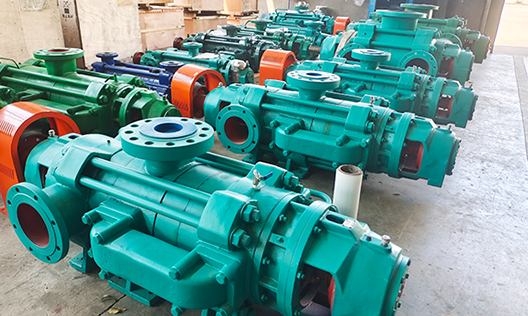
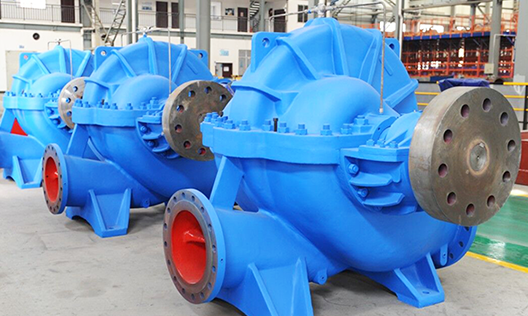
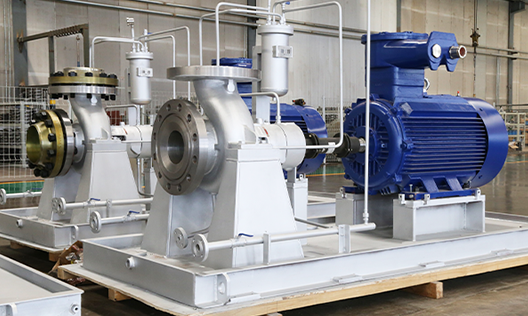
Puede fabricar 26 series de productos, incluyendo bombas de circulación para grandes centrales eléctricas, bombas de condensación para grandes centrales eléctricas, bombas petroquímicas, bombas multietapa, bombas de aguas residuales y lodo, bombas multietapa autoequilibradas, bombas de doble succión y única etapa tipo split, y bombas centrífugas de succión simple y única etapa.
-
Cases
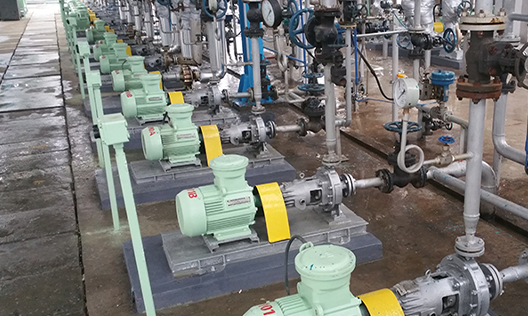
La elección de más de cientos de miles de clientes, cubriendo industrias como minería de carbón, metalurgia, química, energía, recursos hídricos, alimentos, municipalidades y protección ambiental, y exportando a Asia Sudeste, África, América y otros lugares.
-
Service
La empresa fue la primera en la industria en obtener las certificaciones internacionales del sistema de calidad ISO 9001:2008, del sistema de gestión ambiental ISO 14001 y del sistema de gestión de seguridad y salud ocupacional GB/T 28001, además de la certificación API 610 de la Asociación Estadounidense del Petróleo.
-
About us
La empresa, fundada en 1989, es una empresa nacional de alta tecnología integral que integra diseño, investigación y desarrollo, fabricación y servicios; actualmente es una empresa clave en la industria china de bombas centrífugas y una de las grandes fábricas especializadas.
-

Blogs
Con productos innovadores, calidad excepcional y servicios integrales, buscamos la verdad y la pragmática, avanzamos con iniciativa, y nos esforzamos por lograr el objetivo de ser "la marca líder en el campo de aplicación de bombas centrífugas en el país"! Raigada en Hunan, orientada a todo el país y hacia el mundo!
Maximizing Efficiency with OEM Boiler Feed Pumps: Key Insights for Enhanced Performance
Publication Date:
2026-03-06
Author:
Source:


Maximizing Efficiency with OEM Boiler Feed Pumps: Key Insights for Enhanced Performance
Table of Contents
- Understanding OEM Boiler Feed Pumps
- The Importance of Efficiency in Industrial Systems
- Key Features of OEM Boiler Feed Pumps
- Best Practices for Optimizing Efficiency
- Troubleshooting Common Issues
- Advanced Technologies Shaping Boiler Feed Pumps
- The Role of Regular Maintenance
- Case Studies: Success Stories in Pump Optimization
- Conclusion
- FAQs
Understanding OEM Boiler Feed Pumps
OEM (Original Equipment Manufacturer) boiler feed pumps are critical components in various industrial systems, especially those involving steam generation and heating processes. These pumps are specifically designed to handle the return of condensate and supply water to steam boilers. Their primary function is to maintain the water level within the boiler, ensuring safe and efficient operation.
The design of OEM boiler feed pumps is tailored to meet specific performance and efficiency standards, which can vary significantly depending on the application. By utilizing high-quality materials and advanced engineering techniques, these pumps can operate at optimal efficiency, minimizing energy consumption while maximizing output.
The Importance of Efficiency in Industrial Systems
Efficiency in industrial systems directly correlates to overall operational costs. Inefficient machinery, including boiler feed pumps, can lead to increased energy consumption, higher maintenance costs, and reduced equipment lifespan. By maximizing the efficiency of OEM boiler feed pumps, organizations can achieve several benefits:
- **Cost Reduction**: Lower energy costs and maintenance expenses directly impact the bottom line.
- **Enhanced Performance**: Improved pump efficiency contributes to the overall effectiveness of the industrial process.
- **Environmental Impact**: Efficient systems reduce the carbon footprint, aligning with sustainability goals.
Understanding the significance of pump efficiency encourages proactive measures toward optimization, ensuring that operations remain competitive and environmentally friendly.
Key Features of OEM Boiler Feed Pumps
OEM boiler feed pumps come equipped with several pivotal features that enhance their performance and reliability:
High-Quality Materials
The use of durable materials ensures longevity and resistance to wear and tear, crucial for high-demand environments.
Energy Efficiency Ratings
Many OEM pumps come with energy efficiency ratings, which help organizations select models that will minimize energy consumption while maximizing output.
Advanced Control Mechanisms
Modern OEM boiler feed pumps often incorporate intelligent control systems that allow for real-time monitoring and adjustments, optimizing performance based on demand variations.
Customizability
OEM manufacturers offer customizable pump designs to meet specific operational needs, ensuring compatibility with existing systems.
Best Practices for Optimizing Efficiency
To maximize the efficiency of OEM boiler feed pumps, organizations should adopt several best practices:
1. Regular Performance Monitoring
Implementing a system to regularly monitor pump performance allows for the detection of inefficiencies early on. This includes tracking flow rates, pressure levels, and energy consumption.
2. Calibration and Adjustment
Ensure that pumps are calibrated correctly according to manufacturer specifications. Regular adjustments based on operational changes are vital for maintaining efficiency.
3. Utilizing Variable Frequency Drives (VFDs)
Incorporating VFDs can significantly enhance pump efficiency by allowing for precise control over pump speed in response to varying load conditions.
4. Training Staff on Best Practices
Investing in training for operators on the best operating procedures can lead to significant efficiency improvements. Understanding the equipment's capabilities and limitations enhances decision-making.
5. Systematic Maintenance Protocols
Establishing a proactive maintenance schedule helps in identifying issues before they escalate, ensuring that pumps operate at their peak efficiency.
Troubleshooting Common Issues
Despite best efforts, issues may arise with OEM boiler feed pumps. Here are some common problems and troubleshooting steps:
No Flow or Insufficient Flow
This may result from blockages or suction line issues. Inspect filters and pipelines for obstructions.
Excessive Vibration
Excessive vibrations can indicate misalignment or wear. Check mounting and alignment, and replace worn components as necessary.
Increased Energy Consumption
If energy consumption spikes, it could be due to mechanical issues or incorrect settings. Conduct a thorough check for leaks and ensure proper calibration.
Advanced Technologies Shaping Boiler Feed Pumps
The landscape of OEM boiler feed pumps is rapidly evolving, thanks to advancements in technology. Some innovative trends include:
IoT Integration
The Internet of Things (IoT) enables real-time data collection and analysis, allowing for predictive maintenance and optimized operational strategies.
Smart Sensors
Smart sensors can provide critical information regarding temperature, pressure, and flow rates, facilitating immediate adjustments for improved efficiency.
Energy Recovery Systems
These systems allow excess energy generated during pump operation to be captured and reused, enhancing the overall efficiency of steam generation processes.
The Role of Regular Maintenance
Regular maintenance is vital for the longevity and efficiency of OEM boiler feed pumps. A well-planned maintenance schedule can help avoid downtime and costly repairs. Key maintenance practices include:
Routine Inspections
Conducting routine inspections helps identify wear and potential failures before they occur.
Lubrication
Ensure all moving parts are adequately lubricated to minimize friction and wear.
Replacement of Worn Parts
Timely replacement of seals, gaskets, and bearings is essential to maintain peak performance.
Case Studies: Success Stories in Pump Optimization
Examining real-world examples can provide insights into effective strategies for optimizing OEM boiler feed pumps. Consider the following case studies:
Case Study 1: Manufacturing Facility
A manufacturing facility faced high energy costs due to inefficient boiler feed pumps. After implementing VFDs and establishing a robust maintenance regime, the facility noted a 25% reduction in energy consumption within six months.
Case Study 2: Power Generation Plant
A power generation plant adopted IoT technologies to monitor their pump systems continually. This proactive approach led to a 30% reduction in unplanned maintenance, significantly improving overall efficiency.
Conclusion
Maximizing efficiency in OEM boiler feed pumps is not just a goal; it’s a necessity for organizations seeking to enhance operational performance and reduce costs. By understanding the intricacies of these pumps, implementing best practices, and leveraging advanced technologies, companies can significantly improve their efficiency metrics. Regular maintenance and an emphasis on training will further solidify these gains, ensuring sustainable and long-term success in industrial applications.
FAQs
1. What are OEM boiler feed pumps used for?
OEM boiler feed pumps are used to supply water to steam boilers, maintaining the necessary water levels for safe operation.
2. How can I improve the efficiency of my boiler feed pump?
Improving efficiency can be achieved through regular monitoring, calibration, using VFDs, and implementing a proactive maintenance schedule.
3. What common issues do OEM boiler feed pumps face?
Common issues include insufficient flow, excessive vibration, and increased energy consumption, often caused by mechanical problems or improper settings.
4. How often should I maintain my boiler feed pumps?
Routine inspections should be conducted based on manufacturer recommendations, typically every three to six months, along with regular maintenance checks.
5. What are the benefits of using advanced technologies in boiler feed pumps?
Advanced technologies, such as IoT integration and smart sensors, allow for real-time monitoring and predictive maintenance, significantly enhancing efficiency and reducing downtime.
Recommended Information


Related Products
Perhaps you also want to know?
Zoomlian Pump Industry
Address:No. 210, Environmental Protection Middle Road, Yuhua Economic Development Zone, Changsha City, Hunan Province China
All rights reserved © Changsha Zoomlian Pump Co., Ltd.
This website supports IPv4 IPv6 bidirectional access
Website construction:Zhongqi Power Changsha