

-
Products
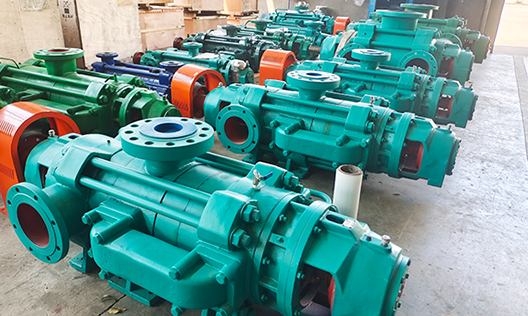
Puede fabricar 26 series de productos, incluyendo bombas de circulación para grandes centrales eléctricas, bombas de condensación para grandes centrales eléctricas, bombas petroquímicas, bombas multietapa, bombas de aguas residuales y lodo, bombas multietapa autoequilibradas, bombas de doble succión y única etapa tipo split, y bombas centrífugas de succión simple y única etapa.
-
Cases
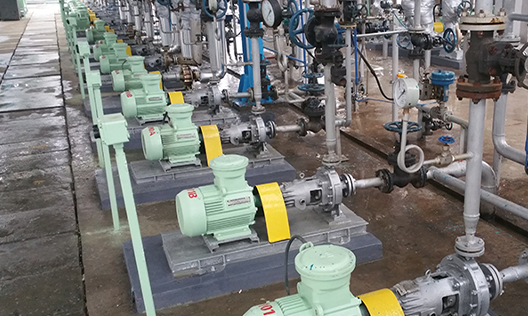
La elección de más de cientos de miles de clientes, cubriendo industrias como minería de carbón, metalurgia, química, energía, recursos hídricos, alimentos, municipalidades y protección ambiental, y exportando a Asia Sudeste, África, América y otros lugares.
-
Service
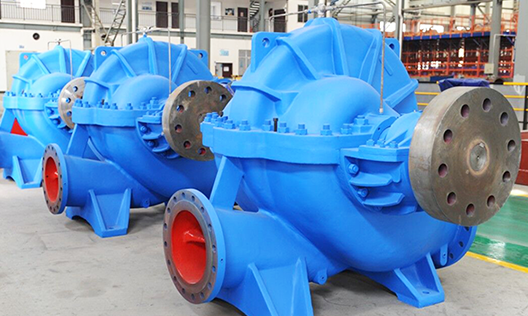
La empresa fue la primera en la industria en obtener las certificaciones internacionales del sistema de calidad ISO 9001:2008, del sistema de gestión ambiental ISO 14001 y del sistema de gestión de seguridad y salud ocupacional GB/T 28001, además de la certificación API 610 de la Asociación Estadounidense del Petróleo.
-
About us
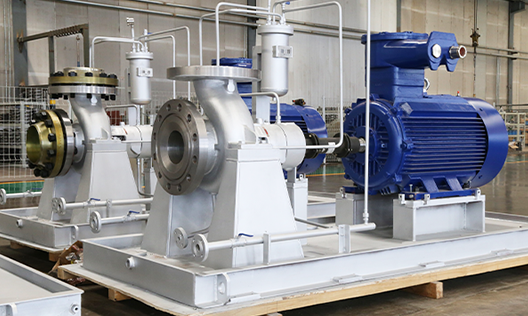
La empresa, fundada en 1989, es una empresa nacional de alta tecnología integral que integra diseño, investigación y desarrollo, fabricación y servicios; actualmente es una empresa clave en la industria china de bombas centrífugas y una de las grandes fábricas especializadas.
-

Blogs
Con productos innovadores, calidad excepcional y servicios integrales, buscamos la verdad y la pragmática, avanzamos con iniciativa, y nos esforzamos por lograr el objetivo de ser "la marca líder en el campo de aplicación de bombas centrífugas en el país"! Raigada en Hunan, orientada a todo el país y hacia el mundo!
The Essential Functions of Horizontal Multistage Pumps in Contemporary Industrial Settings
Publication Date:
2026-03-10
Author:
Source:


The Essential Functions of Horizontal Multistage Pumps in Contemporary Industrial Settings
Table of Contents
- Introduction to Horizontal Multistage Pumps
- What Are Horizontal Multistage Pumps?
- Applications of Horizontal Multistage Pumps in Industry
- Advantages of Using Horizontal Multistage Pumps
- Operating Principles of Horizontal Multistage Pumps
- Maintenance and Reliability of Horizontal Multistage Pumps
- Future Trends in Pump Technology
- Frequently Asked Questions (FAQs)
- Conclusion
Introduction to Horizontal Multistage Pumps
In the dynamic landscape of industrial applications, efficiency and reliability are paramount. **Horizontal multistage pumps** stand out as critical components in various sectors, including water treatment, oil and gas, and chemical processing. These pumps are engineered to handle a broad range of tasks, from transporting fluids to generating high pressures essential for specific operations. This article aims to provide an in-depth look into the role of horizontal multistage pumps and how they contribute to modern industrial processes.
What Are Horizontal Multistage Pumps?
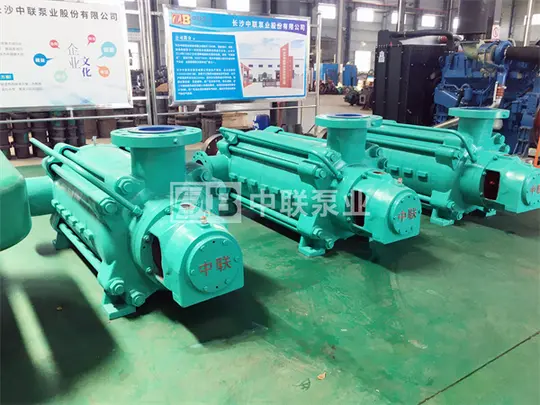
**Horizontal multistage pumps** are specialized centrifugal pumps with multiple impellers (or stages) designed to increase the pressure of the fluid being transported. Unlike single-stage pumps, which can only achieve limited pressure, multistage designs enable the elevation of pressure significantly, making them ideal for applications that require the movement of fluids over long distances or to elevated heights.
Key Characteristics of Horizontal Multistage Pumps
- **Design Efficiency**: These pumps feature a sleek horizontal design that allows for easy installation and maintenance.
- **Modular Configuration**: The ability to add or remove stages according to the desired pressure output enhances their versatility.
- **Durability**: Constructed from robust materials, they are built to withstand various environmental conditions and corrosive fluids.
Applications of Horizontal Multistage Pumps in Industry
Horizontal multistage pumps are employed across various sectors due to their versatility and reliability. Below are some key applications:
Water Supply and Distribution
In municipal water systems, these pumps are crucial for supplying and distributing water. Their ability to handle high volumes and pressures makes them suitable for long-distance water transport.
Boiler Feed Applications
In power generation and heating industries, multistage pumps are used to supply feedwater to boilers, ensuring continuous and efficient operation.
Oil and Gas Industry
Horizontal multistage pumps are pivotal in transporting crude oil and other fluids within oil refineries and processing plants. Their robustness ensures reliable operation under challenging conditions.
Chemical Processing
In chemical manufacturing, these pumps are vital for moving corrosive and high-temperature fluids. They can be tailored with special materials to handle specific chemical characteristics.
HVAC Systems
In heating, ventilation, and air conditioning systems, multistage pumps help circulate water through systems efficiently, maintaining optimal temperature control.
Advantages of Using Horizontal Multistage Pumps
Horizontal multistage pumps offer numerous advantages that make them a preferred choice in many industrial settings:
High Efficiency
The multistage design increases efficiency, delivering higher pressures with lower energy consumption compared to single-stage pumps. This efficiency translates to cost savings in energy bills.
Compact Design
The horizontal configuration allows for a more compact installation, which is particularly beneficial in areas where space is limited. This design can facilitate easier integration into existing systems.
Versatile Operation
The ability to adjust the number of stages allows these pumps to be customized for specific applications, making them versatile for various industrial needs.
Reduced Maintenance Costs
Due to their robust construction and reliability, horizontal multistage pumps typically require less frequent maintenance, leading to lower operational costs over time.
Operating Principles of Horizontal Multistage Pumps
Understanding the operating principles of horizontal multistage pumps is essential for maximizing their performance:
Centrifugal Force Generation
The operation relies on centrifugal force. When the impeller rotates, it imparts kinetic energy to the fluid, pushing it outwards and increasing its velocity.
Pressure Increment through Stages
As fluid moves through each impeller stage, it gains additional pressure, which is essential for applications requiring significant head pressure. Each stage increases the pressure incrementally, allowing for substantial lift.
Flow Regulation
Flow rates can be regulated by controlling the pump's speed or by adjusting the number of operating stages, providing flexibility in various applications.
Maintenance and Reliability of Horizontal Multistage Pumps
Importance of Regular Maintenance
To ensure the longevity and reliability of horizontal multistage pumps, regular maintenance is critical. This includes:
- **Routine Inspections**: Regularly checking for leaks, vibrations, and unusual noises can help identify potential issues before they escalate.
- **Bearing Maintenance**: Lubricating bearings and ensuring they are in good condition can prevent costly breakdowns.
- **Seal Checks**: Inspecting seals for wear can prevent fluid leaks and maintain efficiency.
Reliability in Harsh Conditions
These pumps are designed to operate reliably under harsh industrial conditions, making them suitable for environments with high temperatures, corrosive fluids, and varying pressures. Their durability is one of the key reasons they are favored in sectors like oil and gas and chemical processing.
Future Trends in Pump Technology
As industries evolve, so do the technologies that power them. The future of horizontal multistage pumps includes several trends aimed at enhancing efficiency and performance:
Smart Pump Technology
The integration of IoT (Internet of Things) technology is becoming more prevalent, allowing for real-time monitoring and predictive maintenance, thereby reducing downtime and improving efficiency.
Energy-Efficient Designs
With an increasing focus on sustainability, manufacturers are investing in designs that reduce energy consumption, such as optimizing impeller shapes and using advanced materials to decrease friction.
Automation and Control Systems
Advanced control systems are being developed to allow for better regulation of pump operations, improving efficiency and reducing operational costs.
Frequently Asked Questions (FAQs)
1. What is the primary benefit of horizontal multistage pumps over single-stage pumps?
The primary benefit is the ability to generate higher pressures, making them suitable for applications requiring long-distance fluid transport or high elevation lifts.
2. How do I know if a horizontal multistage pump is right for my application?
Consider your specific application requirements, including the fluid type, desired pressure, and flow rate. Consulting with a pump expert can help determine the best option.
3. What materials are used in the construction of horizontal multistage pumps?
Common materials include stainless steel, cast iron, and specialized alloys, chosen based on the fluid being handled and environmental conditions.
4. How can I ensure the longevity of my horizontal multistage pump?
Regular maintenance, including inspections and servicing of components like seals and bearings, is essential to ensure longevity and reliable operation.
5. Are there any energy-efficient options for horizontal multistage pumps?
Yes, many manufacturers are focusing on energy-efficient designs with optimized impellers and advanced control systems to minimize energy consumption.
Conclusion
Horizontal multistage pumps play an indispensable role in modern industrial applications. Their ability to generate high pressures, coupled with their efficiency and durability, makes them vital for a wide range of sectors, including water supply, oil and gas, and chemical processing. As technology advances, the future of horizontal multistage pumps looks promising, with innovations aimed at enhancing performance and sustainability. By understanding their workings and advantages, industries can leverage these pumps to optimize their operations and achieve greater efficiency.
Recommended Information


Related Products
Perhaps you also want to know?
Zoomlian Pump Industry
Address:No. 210, Environmental Protection Middle Road, Yuhua Economic Development Zone, Changsha City, Hunan Province China
All rights reserved © Changsha Zoomlian Pump Co., Ltd.
This website supports IPv4 IPv6 bidirectional access
Website construction:Zhongqi Power Changsha