

-
Products
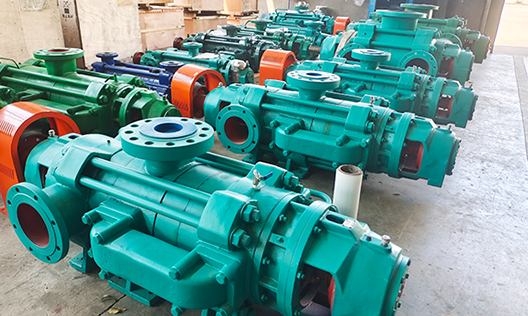
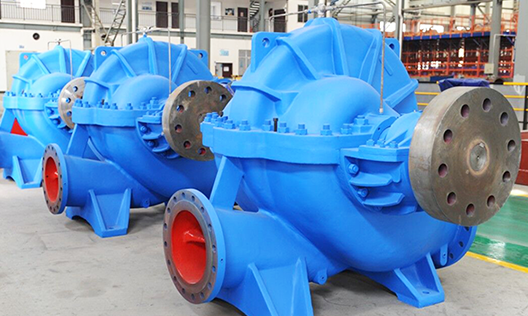
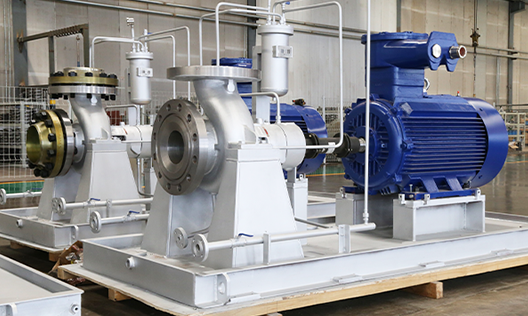
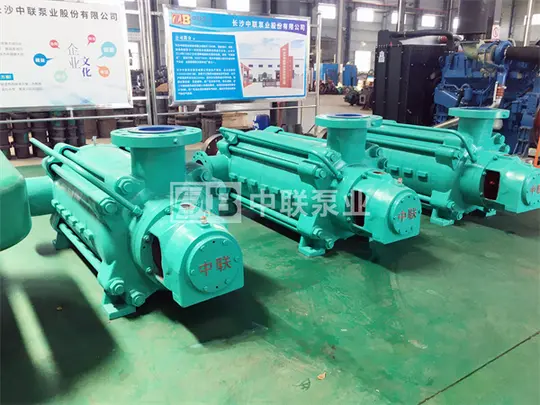
Puede fabricar 26 series de productos, incluyendo bombas de circulación para grandes centrales eléctricas, bombas de condensación para grandes centrales eléctricas, bombas petroquímicas, bombas multietapa, bombas de aguas residuales y lodo, bombas multietapa autoequilibradas, bombas de doble succión y única etapa tipo split, y bombas centrífugas de succión simple y única etapa.
-
Cases
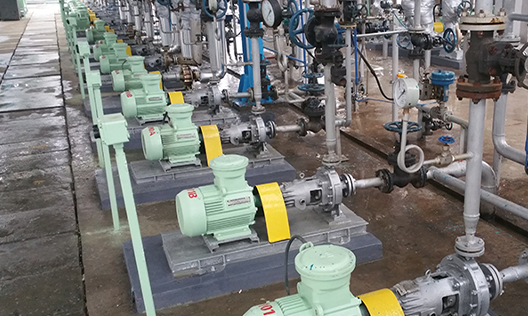
La elección de más de cientos de miles de clientes, cubriendo industrias como minería de carbón, metalurgia, química, energía, recursos hídricos, alimentos, municipalidades y protección ambiental, y exportando a Asia Sudeste, África, América y otros lugares.
-
Service
La empresa fue la primera en la industria en obtener las certificaciones internacionales del sistema de calidad ISO 9001:2008, del sistema de gestión ambiental ISO 14001 y del sistema de gestión de seguridad y salud ocupacional GB/T 28001, además de la certificación API 610 de la Asociación Estadounidense del Petróleo.
-
About us
La empresa, fundada en 1989, es una empresa nacional de alta tecnología integral que integra diseño, investigación y desarrollo, fabricación y servicios; actualmente es una empresa clave en la industria china de bombas centrífugas y una de las grandes fábricas especializadas.
-

Blogs
Con productos innovadores, calidad excepcional y servicios integrales, buscamos la verdad y la pragmática, avanzamos con iniciativa, y nos esforzamos por lograr el objetivo de ser "la marca líder en el campo de aplicación de bombas centrífugas en el país"! Raigada en Hunan, orientada a todo el país y hacia el mundo!
Understanding Quality Submersible Pumps: Key Factors for Industrial Applications
Publication Date:
2026-03-12
Author:
Source:


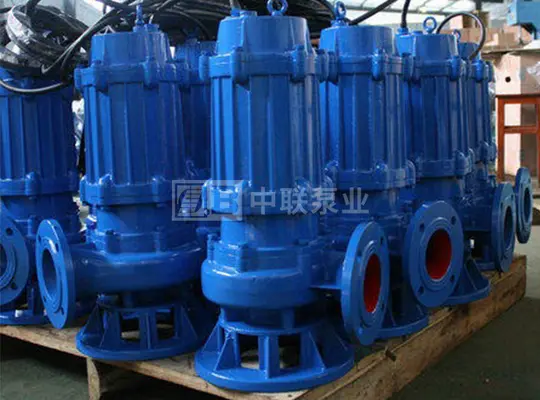
One of the defining characteristics of a quality submersible pump is its construction. Typically encased in a sturdy housing made from corrosion-resistant materials, these pumps can withstand the harsh environments they often encounter. The motor is usually sealed to prevent water ingress, which is vital for maintaining performance and longevity. When selecting a submersible pump, it’s important to consider the material used in its construction, as this directly impacts its durability and efficiency.
Performance is another critical factor. A quality submersible pump should operate quietly and efficiently, minimizing energy consumption while maximizing flow rates. Pay attention to the pump's horsepower, head (the height to which it can lift water), and flow rate (the volume of water it can move per minute). These specifications will help you determine whether a particular pump meets the demands of your specific application.
In addition to performance, the ease of maintenance should not be overlooked. Regular maintenance is essential to ensure the longevity of a submersible pump. Quality pumps are often designed with user-friendly features that simplify maintenance tasks, such as easy access to the motor for inspection and service. Keeping the impellers and screens clean and free from debris is crucial, as clogs can significantly reduce efficiency and lead to costly downtime.
Another aspect to consider when evaluating quality submersible pumps is their adaptability to different applications. Some pumps are designed specifically for handling clean water, while others are built to deal with wastewater and slurries. Understanding the specific needs of your operation will guide you in selecting a pump that is not only effective but also tailored to your requirements.
Finally, consider the pump's operational environment. Submersible pumps can be used in various applications, including construction sites, industrial plants, and municipal wastewater facilities. Understanding the conditions in which the pump will operate—such as temperature, pressure, and the type of liquid being pumped—will help you choose a model that can withstand those challenges.
In conclusion, when choosing a quality submersible pump, pay attention to construction materials, performance specifications, maintenance requirements, application adaptability, and environmental conditions. By understanding these factors, you can ensure that your industrial operations run smoothly and efficiently with the right submersible pump in place.
Recommended Information


Related Products
Perhaps you also want to know?
Zoomlian Pump Industry
Address:No. 210, Environmental Protection Middle Road, Yuhua Economic Development Zone, Changsha City, Hunan Province China
All rights reserved © Changsha Zoomlian Pump Co., Ltd.
This website supports IPv4 IPv6 bidirectional access
Website construction:Zhongqi Power Changsha