

-
Products
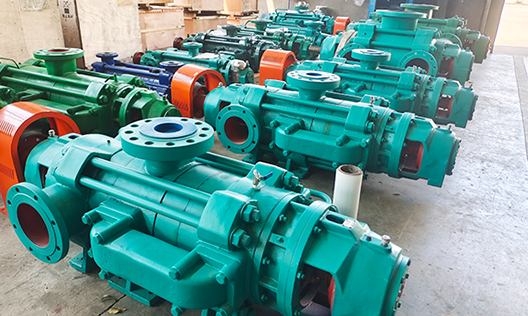
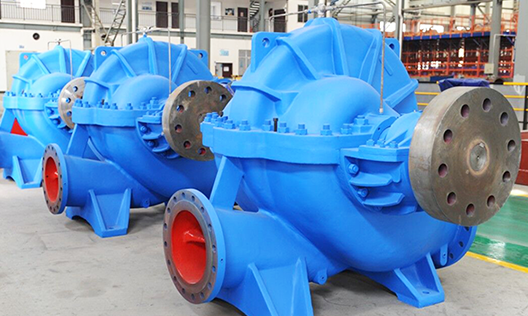
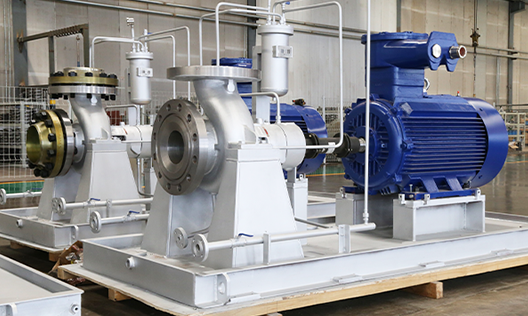
Puede fabricar 26 series de productos, incluyendo bombas de circulación para grandes centrales eléctricas, bombas de condensación para grandes centrales eléctricas, bombas petroquímicas, bombas multietapa, bombas de aguas residuales y lodo, bombas multietapa autoequilibradas, bombas de doble succión y única etapa tipo split, y bombas centrífugas de succión simple y única etapa.
-
Cases
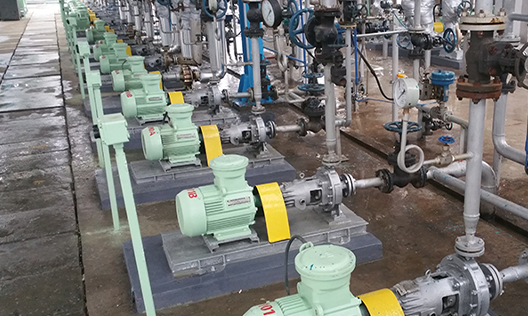
La elección de más de cientos de miles de clientes, cubriendo industrias como minería de carbón, metalurgia, química, energía, recursos hídricos, alimentos, municipalidades y protección ambiental, y exportando a Asia Sudeste, África, América y otros lugares.
-
Service
La empresa fue la primera en la industria en obtener las certificaciones internacionales del sistema de calidad ISO 9001:2008, del sistema de gestión ambiental ISO 14001 y del sistema de gestión de seguridad y salud ocupacional GB/T 28001, además de la certificación API 610 de la Asociación Estadounidense del Petróleo.
-
About us
La empresa, fundada en 1989, es una empresa nacional de alta tecnología integral que integra diseño, investigación y desarrollo, fabricación y servicios; actualmente es una empresa clave en la industria china de bombas centrífugas y una de las grandes fábricas especializadas.
-

Blogs
Con productos innovadores, calidad excepcional y servicios integrales, buscamos la verdad y la pragmática, avanzamos con iniciativa, y nos esforzamos por lograr el objetivo de ser "la marca líder en el campo de aplicación de bombas centrífugas en el país"! Raigada en Hunan, orientada a todo el país y hacia el mundo!
Solutions to Prevent Failure of Multi-Stage Pump Mechanical Seals
Publication Date:
2026-03-13
Author:
Source:


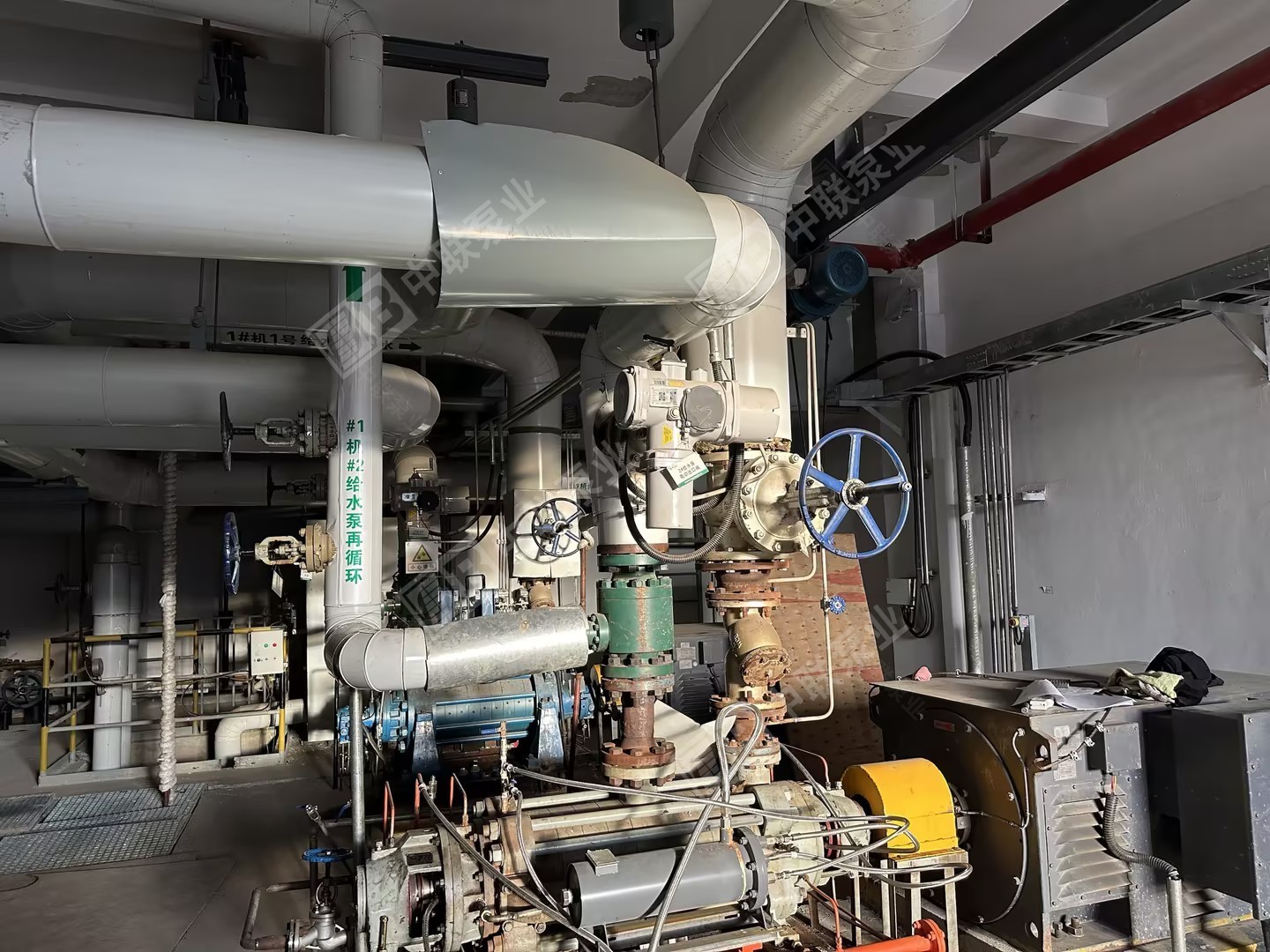
As the core component for shaft-end sealing in multistage pumps, mechanical seals—when they fail frequently—not only lead to media leakage and production interruptions, but also increase the costs associated with spare parts replacement and maintenance operations. Drawing on thousands of field failure diagnosis cases, Changsha Zoomlion Pump Industry We have developed a comprehensive, end-to-end solution for multi-stage pump mechanical seals that emphasizes “precise selection, standardized installation, optimized operating conditions, and closed-loop operation and maintenance,” fundamentally extending the service life of mechanical seals and reducing the likelihood of failure.
1. Precise Selection: Mitigating the Risk of “Innate Mismatch” at the Source
Selection errors are the primary cause of mechanical seal failure. Changsha Zoomlion Pump Industry recommends precise matching based on the “three key operating parameters,” and advises against simply using off-the-shelf solutions.
Media Compatibility: When conveying media containing particles (particle size > 5 μm), select mechanical seals featuring silicon carbide/silicon nitride hard-to-hard sealing faces paired with a built‑in filtration structure to enhance wear and erosion resistance. For highly corrosive media (acids, alkalis, and salt solutions), use 316L stainless steel combined with PTFE composite sealing elements to prevent swelling and cracking. For high‑temperature media (> 120°C), prioritize metal bellows mechanical seals to improve thermal stability.

Operating Parameter Matching: Select the pump based on its actual working pressure and speed. The seal’s rated pressure must exceed the pump outlet pressure by 0.3–0.5 MPa, and the rated speed should be no less than 1.2 times the pump shaft’s actual speed. For high-pressure operating conditions (>10 MPa), use a balanced mechanical seal to reduce the pressure on the sealing faces.
Special operating condition adaptation: For applications with frequent start‑stops and significant pressure fluctuations, select spring-loaded seals with strong elastic compensation capabilities. In outdoor or humid environments, choose sealing components with an IP65 rating or higher to prevent moisture ingress from damaging the internal structure.
2. Standardized Installation: Eliminate Human-Induced Damage and Solidify the Sealing Foundation
Over 30% of seal failures are caused by improper installation. Changsha Zoomlion Pump Industry has clearly defined the following core operational standards:
Pre‑installation Preparation: Thoroughly clean the sealing cavity and the surface of the shaft sleeve, removing oil stains, iron filings, burrs, and other impurities. The sealing surfaces must be wiped with a clean, soft cloth; the use of hard objects to scrape or scratch is strictly prohibited. Inspect the appearance of the sealing components to ensure that both the rotating ring and the stationary ring are free from cracks and scratches, and that the springs show no deformation or rust.
Key points for precision control: The coaxial error between the pump shaft and the sealing cavity shall be no more than 0.05 mm, and the perpendicularity deviation of the sealing end face shall be no more than 0.02 mm to prevent uneven wear during operation; the compression amount of the sealing spring must be adjusted strictly according to the manufacturer’s specifications (typically 3–5 mm). If the spring is too tight, it can easily cause the sealing surfaces to overheat and wear; if it’s too loose, an effective seal cannot be established.
Installation Guidelines: When installing the dynamic and static rings, apply a compatible medium or dedicated lubricant to reduce assembly friction; tighten the gland bolts evenly to ensure that the gland is coaxial with the shaft sleeve and free from any misalignment; after installation, manually turn the pump shaft to verify that it rotates smoothly without any binding or jamming.
3. Operating Condition Optimization: Improve the operating environment and reduce sealing losses.
Harsh operating conditions are a major factor in the accelerated failure of mechanical seals and require targeted optimization and adjustments.
Media purification treatment: A multi-stage filtration system is installed upstream of the pump, with a combination of coarse and fine filtration to ensure that the particle size of the media is ≤5 μm. For media containing fibers, an additional fiber filter is installed; the filter cartridges are cleaned and replaced on a regular schedule to prevent impurities from entering the sealing surfaces and acting as “abrasives.”
Operating Condition Stability Control: Install a pressure stabilizing valve and a constant-temperature device to prevent fluctuations in pump inlet and outlet pressures exceeding 0.5 MPa and temperature changes greater than 30°C. When conveying media with poor lubricity (such as clear water), equip the system with a sealing flush system, ensuring that the flush water pressure is 0.1–0.2 MPa higher than the pump chamber pressure, with a flow rate maintained at 0.5–1.5 L/min to continuously cool and clean the sealing surfaces.
Avoid Abnormal Operating Conditions: Running the pump dry is strictly prohibited—running it dry for more than 3 minutes can cause the sealing surfaces to overheat and burn due to dry friction. Keep the pump shaft axial play within ≤0.3 mm and the vibration level below ≤4.5 mm/s; if either exceeds the specified limits, promptly inspect and repair components such as bearings and impellers.
4. Closed-Loop Operations and Maintenance: Establish a full‑cycle maintenance system to proactively prevent failures.
Scientific operations and maintenance management can significantly extend the service life of mechanical seals. Changsha Zoomlion Pump Industry recommends the following maintenance plan:
Key Points for Daily Inspections: Monitor the seal chamber temperature daily (normally ≤80°C); if the temperature suddenly rises by more than 15°C, shut down the equipment for inspection. Observe the leakage rate—during normal operation, the leakage should be ≤5 drops per minute; if the leakage exceeds this threshold, adjust the gland packing or replace the sealing components promptly.
Regular Maintenance Plan: Under normal operating conditions, inspect the seal wear every 3–6 months; under harsh operating conditions (including particulates, corrosion, and high temperatures), shorten the inspection interval to 1–2 months. Replace the mechanical seal in its entirety once a year to prevent aging and failure.
Flush System Maintenance: Regularly clean the flush lines to ensure they are free of blockages; inspect the quality of the flush water to prevent impurities from entering the sealing cavity; when shutting down, close the flush water valve and open it 5 minutes in advance before restarting to ensure the sealing surfaces are pre-cooled and lubricated.
5. Accessories Assurance: Use original manufacturer‑supplied components to ensure consistent quality.
The quality of accessories is key to ensuring long‑term, reliable sealing performance. Changsha Zoomlion Pump Industry reminds you:
Preferentially use original equipment manufacturer (OEM) mechanical seals, which are perfectly matched to the pump body in terms of material and precision. Key performance indicators such as sealing surface conformity and spring elasticity have all undergone rigorous testing, resulting in a service life that is 2–3 times longer than that of non-OEM parts.
Avoid mixing and matching sealing components from different brands and models. Since the dimensions of moving rings, stationary rings, and springs vary among manufacturers, mixed assembly can easily lead to poor sealing surface contact and uneven pressure distribution, resulting in failure.
Stock original manufacturer’s spare seals so they can be quickly replaced when失效, minimizing downtime; store spare parts properly to prevent moisture and oil contamination, ensuring the sealing surfaces remain intact.
Changsha Zoomlion Pump Industry has always focused on addressing users’ real pain points. All of the above solutions have been repeatedly verified in actual field conditions. If your multistage pump frequently experiences mechanical seal failures, you can click… Online Customer Service Alternatively, call 15616442288 (WeChat also uses this number) to provide information such as pump model, medium parameters, and operating conditions. We will customize a dedicated solution for you and offer on-site installation guidance and technical support.
Recommended Information


Related Products
Perhaps you also want to know?
Zoomlian Pump Industry
Address:No. 210, Environmental Protection Middle Road, Yuhua Economic Development Zone, Changsha City, Hunan Province China
All rights reserved © Changsha Zoomlian Pump Co., Ltd.
This website supports IPv4 IPv6 bidirectional access
Website construction:Zhongqi Power Changsha