

-
Products
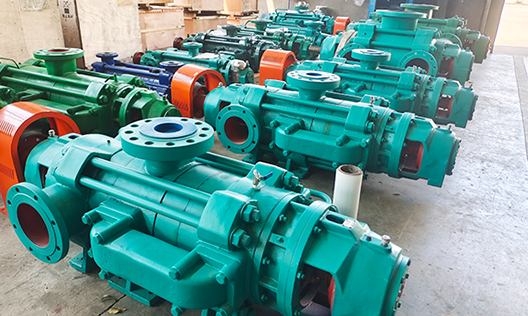
Puede fabricar 26 series de productos, incluyendo bombas de circulación para grandes centrales eléctricas, bombas de condensación para grandes centrales eléctricas, bombas petroquímicas, bombas multietapa, bombas de aguas residuales y lodo, bombas multietapa autoequilibradas, bombas de doble succión y única etapa tipo split, y bombas centrífugas de succión simple y única etapa.
-
Cases
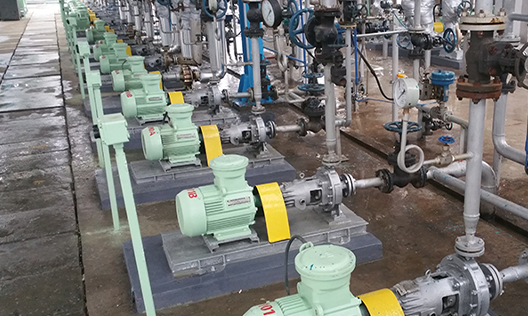
La elección de más de cientos de miles de clientes, cubriendo industrias como minería de carbón, metalurgia, química, energía, recursos hídricos, alimentos, municipalidades y protección ambiental, y exportando a Asia Sudeste, África, América y otros lugares.
-
Service
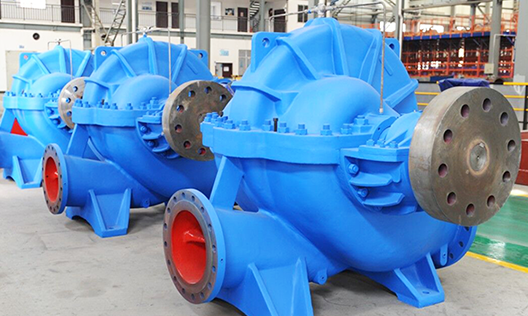
La empresa fue la primera en la industria en obtener las certificaciones internacionales del sistema de calidad ISO 9001:2008, del sistema de gestión ambiental ISO 14001 y del sistema de gestión de seguridad y salud ocupacional GB/T 28001, además de la certificación API 610 de la Asociación Estadounidense del Petróleo.
-
About us
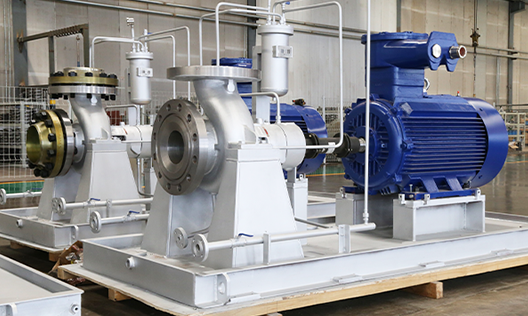
La empresa, fundada en 1989, es una empresa nacional de alta tecnología integral que integra diseño, investigación y desarrollo, fabricación y servicios; actualmente es una empresa clave en la industria china de bombas centrífugas y una de las grandes fábricas especializadas.
-

Blogs
Con productos innovadores, calidad excepcional y servicios integrales, buscamos la verdad y la pragmática, avanzamos con iniciativa, y nos esforzamos por lograr el objetivo de ser "la marca líder en el campo de aplicación de bombas centrífugas en el país"! Raigada en Hunan, orientada a todo el país y hacia el mundo!
Causes of Air Ingress Faults in Multi-stage Centrifugal Pumps and Preventive Measures
Publication Date:
2026-01-23
Author:
Source:


As a core piece of equipment in fields such as hydraulic conveyance, power plant water supply and drainage, and chemical fluid transfer, multistage centrifugal pumps are prone to air entrainment during operation. If this occurs frequently, it can not only lead to a decline in the pump unit’s head and efficiency—potentially reducing them by as much as— 30% As mentioned above, this can also trigger a cascade of failures such as cavitation and impeller damage, and in severe cases, even lead to equipment shutdown. Therefore, accurately identifying the root cause of air ingress and implementing scientific prevention and control measures are crucial for ensuring the stable and efficient operation of multistage centrifugal pump units. In this article, Centrifugal pump Manufacturer Changsha Zhonglian Pump Industry Will share Multistage centrifugal pump Causes of air intake failures and preventive measures—provided for reference by user organizations for operation and maintenance.

I. Air Entering the Multistage Pump 6 Great core root
1. Sealing System Failure (Primary Cause): The sealing performance of the stationary and rotating components in the pump body directly determines whether gas leakage occurs. Common issues include mechanical seal dynamic... / Wear on the mating surface of the stationary ring (clearance exceeds... 0.01mm ) The packing seal has aged and become loose, or the selected seal type is mismatched with the operating conditions (e.g., using a standard nitrile rubber seal for high-temperature media, or failing to adopt a balanced seal structure in high-pressure applications), resulting in communication between the pump shaft end, pump cover, and the external atmosphere, thereby creating an air intake path.
2. Installation parameters exceed the allowable height: If the pump's installation height exceeds its "permitted suction vacuum height" (the typical allowable value for multistage pumps), 3-5 The meter), which can cause the inlet pressure to drop below atmospheric pressure, allowing air to seep in through gaps in the pipeline. Furthermore, an improperly designed inlet pipeline—such as one that is excessively long, has too many bends resulting in excessive pressure loss, or has a diameter that is too small, leading to excessively high flow velocities—can further reduce the inlet pressure and trigger air intake.
3. Non-standard operating procedures: During startup, the “priming and air-venting” procedure was not followed, leaving residual air in the pump body that was not completely expelled; or, a “hard start” approach was used, causing a sudden drop in pump pressure and creating negative pressure that drew air into the system. Additionally, prolonged operation under overload conditions (exceeding rated flow and pressure)... 10% As mentioned above, this can cause turbulent flow and severe pressure fluctuations within the pump, creating favorable conditions for air to enter.
4. Defects in the piping system: Sealing failures at pipe joints (flanges, threaded connections)—such as aged or damaged sealing gaskets, or un-taped threaded connections—can allow air to seep directly into the system. Additionally, cracks or porosity in the pipes can also lead to direct air infiltration. Furthermore, if automatic air vents are not installed at the highest points of the inlet pipelines, gases released during medium transport cannot be expelled, leading to their gradual accumulation and formation of “air blockages,” which indirectly cause intake problems.
5. Environmental and Temperature Effects: Sudden changes in ambient temperature (fluctuations exceeding ± 5 ℃) can cause seals to expand and contract with temperature changes, increasing the gap between mating surfaces and reducing sealing performance. If the pump body is exposed to low-temperature environments, condensation is likely to form on the inner walls of the inlet pipe; as the moisture evaporates, it creates localized negative pressure, accelerating air intake.
6. Medium containing gas without pretreatment: If the medium being conveyed has not been processed by a degassing device, gases dissolved in it—such as oxygen and carbon dioxide—will come out as the pressure inside the pump decreases. Alternatively, if the liquid level in the medium storage tank is too low, the pump’s inlet may draw in a “gas-liquid mixture,” directly causing air to enter the pump.
II. Industrial-Grade Prevention and Control Plan
1. Specialized Control of Sealing Systems: Regularly inspect the wear condition of sealing surfaces, and promptly replace sealing elements if the mating gap exceeds the specified tolerance or if the seals show signs of aging. Select sealing types precisely based on operating conditions—for high-temperature applications, choose mechanical seals with metal bellows; for corrosive media, select... PTFE For material seals, the packing seal must be evenly compressed according to requirements to ensure that an effective liquid film is formed on the sealing surface.
2. Optimize installation and piping design: Calculate the installation height according to the pump’s technical manual, ensuring it remains strictly within the allowable suction vacuum height range. Shorten the length of the inlet pipe and reduce the number of bends; select pipes that match the pump’s inlet diameter (avoiding pipes with a smaller diameter than required). Install an automatic air vent at the highest point of the inlet pipe, and thoroughly purge any accumulated air from the pipe through the air vent before starting the pump.
3. Standard Operating Procedures: Before starting, the pump must be primed and vented (open the vent valve until a medium free of air bubbles flows out). Preferably use a soft starter to avoid hard starts. During operation, keep the load within the rated value. 85%-110% Interval—avoid prolonged overload; during shutdown, gradually reduce the load to prevent sudden pressure changes within the pump.
4. Pipeline System Maintenance: Regularly inspect the sealing condition of pipeline connections and replace aged or damaged sealing gaskets (for flanged connections, metal-wound gaskets are preferred). For threaded connections, wrap PTFE tape or apply sealant according to relevant standards. Conduct pressure tests on pipelines and promptly repair any defects such as cracks or pinholes.
5. Environmental and Media Control: Install the pump unit in an environment with stable temperature (avoid direct sunlight or exposure to extremely low temperatures); if necessary, add insulation layers. Before delivery, treat the medium using equipment such as degassing tanks and filters to remove dissolved gases and solid impurities. Maintain a stable liquid level in the media storage tank to prevent the pump inlet from “sucking air.”
III. Additional Notes
The original text contains a misconception that needs to be corrected: The core logic behind “changes in ambient temperature directly cause air intake” is actually that “temperature affects sealing performance,” rather than the temperature itself directly causing air intake. Therefore, the primary focus of prevention and control should be on ensuring the temperature adaptability of sealing components. Additionally, the presence of gas in the medium is a critical factor that is often overlooked. In industrial settings, it is essential to mandatorily equip systems with degassing devices, especially when dealing with media prone to gas release, such as chemical solvents and high-temperature water.
If, during operation, you notice that the multistage centrifugal pump unit is experiencing increased vibration, louder noise, and a drop in head, you should immediately stop the machine and check for air ingress. As an emergency measure, you can open the vent valve to bleed air and inspect the sealing condition to prevent the problem from escalating.
Recommended Information


Related Products
Perhaps you also want to know?
Zoomlian Pump Industry
Address:No. 210, Environmental Protection Middle Road, Yuhua Economic Development Zone, Changsha City, Hunan Province China
All rights reserved © Changsha Zoomlian Pump Co., Ltd.
This website supports IPv4 IPv6 bidirectional access
Website construction:Zhongqi Power Changsha