

-
Products
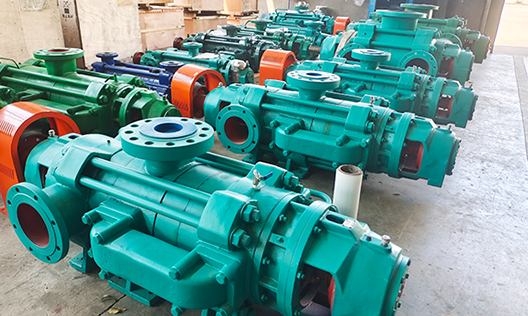
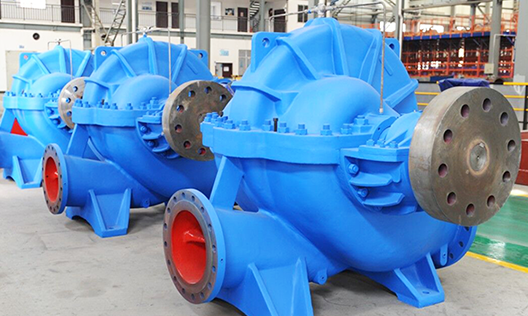
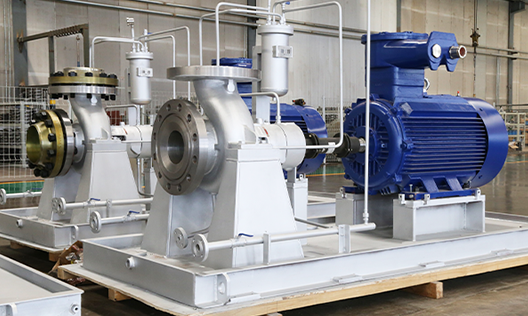
Puede fabricar 26 series de productos, incluyendo bombas de circulación para grandes centrales eléctricas, bombas de condensación para grandes centrales eléctricas, bombas petroquímicas, bombas multietapa, bombas de aguas residuales y lodo, bombas multietapa autoequilibradas, bombas de doble succión y única etapa tipo split, y bombas centrífugas de succión simple y única etapa.
-
Cases
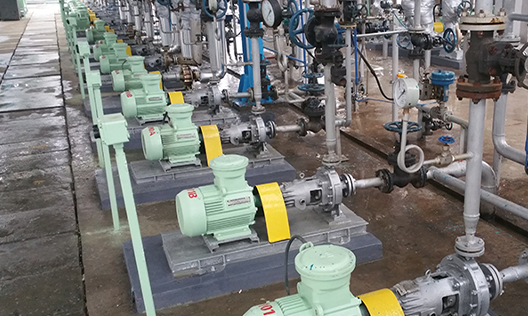
La elección de más de cientos de miles de clientes, cubriendo industrias como minería de carbón, metalurgia, química, energía, recursos hídricos, alimentos, municipalidades y protección ambiental, y exportando a Asia Sudeste, África, América y otros lugares.
-
Service
La empresa fue la primera en la industria en obtener las certificaciones internacionales del sistema de calidad ISO 9001:2008, del sistema de gestión ambiental ISO 14001 y del sistema de gestión de seguridad y salud ocupacional GB/T 28001, además de la certificación API 610 de la Asociación Estadounidense del Petróleo.
-
About us
La empresa, fundada en 1989, es una empresa nacional de alta tecnología integral que integra diseño, investigación y desarrollo, fabricación y servicios; actualmente es una empresa clave en la industria china de bombas centrífugas y una de las grandes fábricas especializadas.
-

Blogs
Con productos innovadores, calidad excepcional y servicios integrales, buscamos la verdad y la pragmática, avanzamos con iniciativa, y nos esforzamos por lograr el objetivo de ser "la marca líder en el campo de aplicación de bombas centrífugas en el país"! Raigada en Hunan, orientada a todo el país y hacia el mundo!
Why Self-Priming Pumps Are Vital in Emergency Situations
Publication Date:
2026-02-02
Author:
Source:


Why Self-Priming Pumps Are Vital in Emergency Situations
Table of Contents
1. Understanding Self-Priming Pumps
2. The Mechanism Behind Self-Priming Pumps
3. Advantages of Using Self-Priming Pumps in Emergencies
3.1 Fast Response Time
3.2 Reduced Downtime
3.3 Versatility in Fluid Handling
4. Applications of Self-Priming Pumps in Emergency Scenarios
4.1 Flood Control and Water Removal
4.2 Firefighting Operations
4.3 Construction and Industrial Emergencies
5. Key Features to Look for in Self-Priming Pumps
5.1 Durability and Reliability
5.2 Portability and Ease of Use
6. Maintenance and Care for Self-Priming Pumps
7. Frequently Asked Questions (FAQs)
8. Conclusion
1. Understanding Self-Priming Pumps
Self-priming pumps are specialized types of pumps designed to evacuate air from the suction line, creating a vacuum that allows liquid to flow into the pump without needing to be primed manually. This unique feature is what makes them essential during emergencies. Unlike traditional pumps that must be filled with liquid before operation, self-priming pumps can start pumping fluids even when the suction line is initially empty.
Operating efficiently in various conditions, these pumps come in several designs and sizes, making them versatile for different applications. Their reliable functionality is crucial in situations where time is of the essence, ensuring that operations continue smoothly despite adverse circumstances.
2. The Mechanism Behind Self-Priming Pumps
The operational mechanism of self-priming pumps is relatively straightforward yet highly effective. At the core, these pumps utilize a specific design that allows them to create a partial vacuum. Here’s how it works:
1. When the pump is turned on, it begins to create a vacuum in the suction line.
2. This vacuum pulls liquid into the pump from the source through a one-way valve.
3. Once the pump is full of liquid, it can begin to discharge the fluid through the outlet.
This ability to remove air and create suction is what differentiates self-priming pumps from conventional pumps. The design typically includes a built-in reservoir for the fluid, enabling it to retain liquid even when the pump is not running.
3. Advantages of Using Self-Priming Pumps in Emergencies
Self-priming pumps offer numerous advantages that are particularly beneficial in emergency situations. Understanding these benefits can help organizations prepare more effectively for crisis management.
3.1 Fast Response Time
In emergencies such as floods or fires, every second counts. Self-priming pumps can be quickly deployed without the need for time-consuming priming processes. This rapid setup allows emergency responders to act swiftly, mitigating potential damage and ensuring safety.
3.2 Reduced Downtime
Traditional pumps may require maintenance or adjustments before they can operate in emergency conditions. Self-priming pumps, however, can handle a wide range of fluid types and conditions, reducing downtime significantly. Their ability to function without manual priming means that they can be ready to pump fluids almost immediately.
3.3 Versatility in Fluid Handling
Self-priming pumps can handle various fluids, including clean water, sewage, chemicals, and sludge. This versatility is invaluable in emergencies where different types of fluids may need to be moved quickly and efficiently, making these pumps adaptable to numerous scenarios.
4. Applications of Self-Priming Pumps in Emergency Scenarios
The applications of self-priming pumps in emergency situations are extensive. Below are key areas where their use is vital.
4.1 Flood Control and Water Removal
During floods, the immediate need is often to remove excess water from affected areas. Self-priming pumps excel in this environment, quickly evacuating water from basements, streets, and other critical locations. Their ability to handle debris-laden water makes them ideal for flood control efforts.
4.2 Firefighting Operations
In firefighting, self-priming pumps can be used to quickly draw water from nearby sources, such as ponds, lakes, or even swimming pools. This capability can significantly enhance the speed and effectiveness of firefighting efforts, especially in remote areas where traditional water sources may not be immediately accessible.
4.3 Construction and Industrial Emergencies
In construction sites, water accumulation can halt work and create hazardous conditions. Self-priming pumps are essential for quickly removing water from excavations and ensuring that sites remain operational. Similarly, in industrial settings, they can manage spills or leaks, allowing for a prompt response to prevent accidents.
5. Key Features to Look for in Self-Priming Pumps
When selecting a self-priming pump for emergency situations, certain features should be prioritized to ensure optimal performance.
5.1 Durability and Reliability
Choose pumps made from high-quality materials that can withstand harsh conditions and heavy usage. A durable self-priming pump will ensure consistent performance, even in critical situations.
5.2 Portability and Ease of Use
Pumps that are lightweight and portable can be transported easily to various sites. Look for models with ergonomic designs and user-friendly controls, allowing for quick setup and operation.
6. Maintenance and Care for Self-Priming Pumps
Proper maintenance is crucial for ensuring that self-priming pumps function effectively when needed. Here are some best practices:
1. **Regular Inspection**: Frequently check for wear and tear, especially on seals and valves.
2. **Clean the Filters**: Ensure that the suction filters are clean to prevent clogging and maintain efficiency.
3. **Test the Pump**: Conduct routine tests to ensure that the pump is functioning correctly, simulating emergency conditions if possible.
By adhering to these maintenance guidelines, operators can ensure their self-priming pumps are always ready for action.
7. Frequently Asked Questions (FAQs)
1. What is a self-priming pump?
A self-priming pump is a type of pump that can evacuate air from the suction line and create a vacuum, allowing it to draw liquid without manual priming.
2. How quickly can a self-priming pump start working?
Self-priming pumps can start working almost immediately after being powered on, significantly reducing response time in emergencies.
3. Can self-priming pumps handle solid materials?
Many self-priming pumps are designed to handle some solids or debris in the fluid, making them suitable for applications like flood water removal.
4. What should I look for when purchasing a self-priming pump?
Look for durability, portability, ease of use, maintenance requirements, and the specific fluid handling capabilities of the pump.
5. Are self-priming pumps expensive to maintain?
Maintenance costs can vary based on usage and the model of the pump, but regular inspections and cleaning can help keep expenses manageable.
8. Conclusion
Self-priming pumps are essential tools in emergency situations, offering rapid response capabilities, versatility in fluid handling, and reduced downtime. Their unique mechanisms and features make them indispensable in various applications, from flood control to firefighting and industrial emergencies.
By understanding the importance of self-priming pumps and ensuring proper selection and maintenance, organizations can enhance their emergency preparedness strategies, ultimately safeguarding lives and property in times of crisis. Investing in reliable self-priming pumps not only improves response times but also contributes to overall operational efficiency and safety in emergency management.
Recommended Information


Related Products
Perhaps you also want to know?
Zoomlian Pump Industry
Address:No. 210, Environmental Protection Middle Road, Yuhua Economic Development Zone, Changsha City, Hunan Province China
All rights reserved © Changsha Zoomlian Pump Co., Ltd.
This website supports IPv4 IPv6 bidirectional access
Website construction:Zhongqi Power Changsha