

-
Products
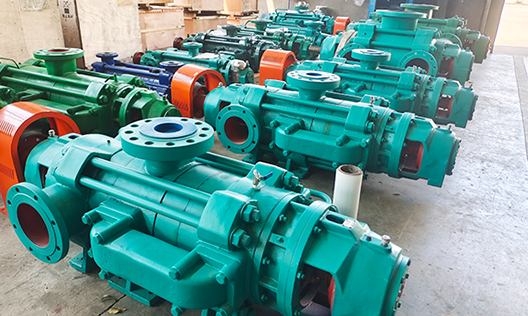
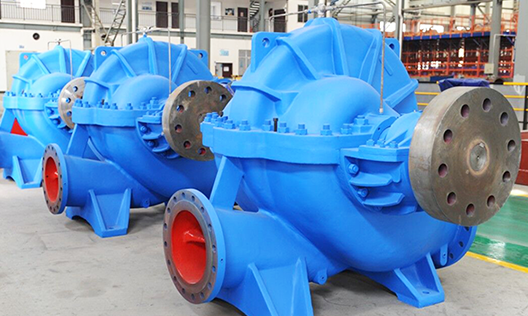
Puede fabricar 26 series de productos, incluyendo bombas de circulación para grandes centrales eléctricas, bombas de condensación para grandes centrales eléctricas, bombas petroquímicas, bombas multietapa, bombas de aguas residuales y lodo, bombas multietapa autoequilibradas, bombas de doble succión y única etapa tipo split, y bombas centrífugas de succión simple y única etapa.
-
Cases
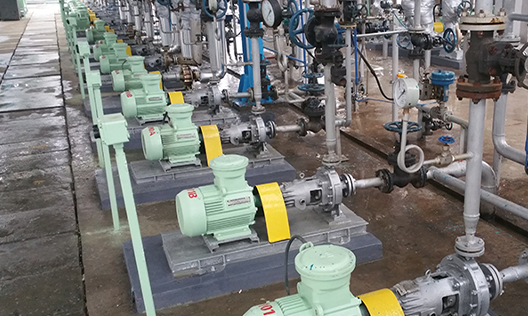
La elección de más de cientos de miles de clientes, cubriendo industrias como minería de carbón, metalurgia, química, energía, recursos hídricos, alimentos, municipalidades y protección ambiental, y exportando a Asia Sudeste, África, América y otros lugares.
-
Service
La empresa fue la primera en la industria en obtener las certificaciones internacionales del sistema de calidad ISO 9001:2008, del sistema de gestión ambiental ISO 14001 y del sistema de gestión de seguridad y salud ocupacional GB/T 28001, además de la certificación API 610 de la Asociación Estadounidense del Petróleo.
-
About us
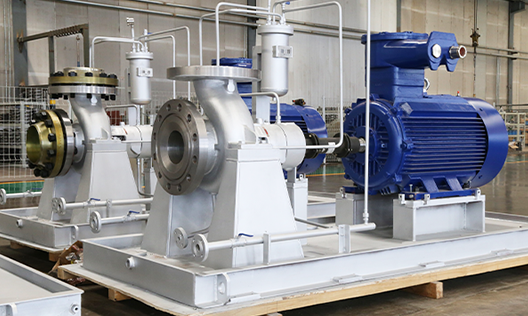
La empresa, fundada en 1989, es una empresa nacional de alta tecnología integral que integra diseño, investigación y desarrollo, fabricación y servicios; actualmente es una empresa clave en la industria china de bombas centrífugas y una de las grandes fábricas especializadas.
-

Blogs
Con productos innovadores, calidad excepcional y servicios integrales, buscamos la verdad y la pragmática, avanzamos con iniciativa, y nos esforzamos por lograr el objetivo de ser "la marca líder en el campo de aplicación de bombas centrífugas en el país"! Raigada en Hunan, orientada a todo el país y hacia el mundo!
What are the reasons for unstable flow in a center-open, double-suction pump?
Publication Date:
2026-01-26
Author:
Source:


The flow rate of the double-suction pump with a mid-open design fluctuates unpredictably—sometimes high, sometimes low—and the pressure gauge needle frequently jumps back and forth. This instability in flow directly affects the accuracy of fluid delivery and poses hidden risks to the production process. To provide users of double-suction pumps with reliable information on the root causes of these failures, the manufacturers of double-suction pumps... Changsha Zhonglian Pump Industry Based on the structural characteristics of the center-open double-suction pump (double-suction impeller and center-open pump casing) and the frontline operation and maintenance experience of Zhonglian Pump Industry, we have compiled... 5 Common causes of unstable flow in open-type double-suction pumps within the class, along with targeted troubleshooting methods, are provided for reference by user organizations.

1. Air leakage or cavitation in the intake system
Aging of the suction pipe flange gasket and poor sealing at the mid-section joint can allow air to enter the pump, leading to air binding and disrupting the vacuum-based water suction environment. Excessive suction height or excessively high medium temperature can trigger cavitation (the collapse of vapor bubbles that impact the impeller), causing flow fluctuations. Troubleshooting: Apply soapy water to pipeline joints and the mid-section joint; any location where bubbles appear indicates a leak. Replace the aged gasket and tighten the bolts evenly. If cavitation noise occurs, reduce the pump installation height (ensuring sufficient net positive suction head). NPSHa ≥ NPSHr + 0.5 m ), or install a front-mounted booster pump.
II. Impeller failure or blockage in the flow passage
The flow passages on both sides of the double-suction impeller are entangled with debris such as fibers, sand, and gravel, or the blades are worn, and the clearance between the shroud rings exceeds the specified tolerance (exceeding...). 0.5mm ), which can lead to a decrease in hydraulic efficiency and uneven flow output. Solution: Take advantage of the convenient disassembly and inspection features of the mid-open structure to remove debris from the impeller passages; measure the clearance between the shroud rings, and if wear is severe, replace either the impeller or the shroud rings to ensure balanced forces on both sides of the double-suction impeller.
3. Improper valve operation
If the inlet valve is not fully open and the outlet valve is frequently adjusted, it can cause sudden changes in pipeline resistance, leading to fluctuations in flow rate. A clogged or stuck bottom valve can result in intermittent suction. To ensure proper operation: After starting up, fully open the inlet valve and fix the outlet valve at a reasonable opening degree (avoiding a half-open state). Regularly clean the filter screen of the bottom valve, check the flexibility of the valve core, and replace seals as necessary.
4. Fluctuations in motor speed
The supply voltage deviates from the rated value (± 5% The above-mentioned issues—such as improper inverter parameter settings or slippage in belt drives—can cause the motor speed to become unstable (deviating from the rated speed by ±). 5% ), and the pump flow rate is directly proportional to the rotational speed. Troubleshooting: Use a tachometer to measure the actual rotational speed of the pump shaft, ensure a stable supply voltage, and adjust the inverter parameters or belt tension to keep the rotational speed within the rated range (commonly encountered). 2950r/min ).
V. Assembly or Installation Deviations
After disassembling and repairing the mid-open pump casing, the impeller was installed in reverse, there was a misalignment in the guide vanes, or the coupling’s coaxiality exceeded the allowable tolerance (exceeding...). 0.1mm ), which can lead to hydraulic imbalance and fluctuations in flow rate. Correction: Verify the impeller direction against the assembly drawing, and use a dial indicator to correct the coupling’s concentricity. Also, check the tightening torque of the bolts on the split casing to prevent misalignment and air leakage during pump operation.
Daily preventive measures: Inspect the airtightness of the suction pipeline and the cleanliness of the filter screen monthly; disassemble and inspect the impeller and wear condition of the sealing rings quarterly. Avoid frequent adjustments to the outlet valve, and monitor operating conditions in real time using flow monitoring instruments—this can significantly reduce the likelihood of flow instability.
Recommended Information


Related Products
Perhaps you also want to know?
Zoomlian Pump Industry
Address:No. 210, Environmental Protection Middle Road, Yuhua Economic Development Zone, Changsha City, Hunan Province China
All rights reserved © Changsha Zoomlian Pump Co., Ltd.
This website supports IPv4 IPv6 bidirectional access
Website construction:Zhongqi Power Changsha