

-
Products
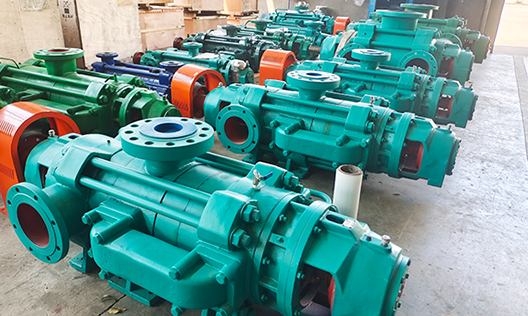
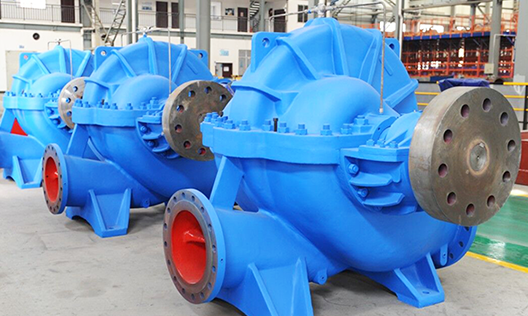
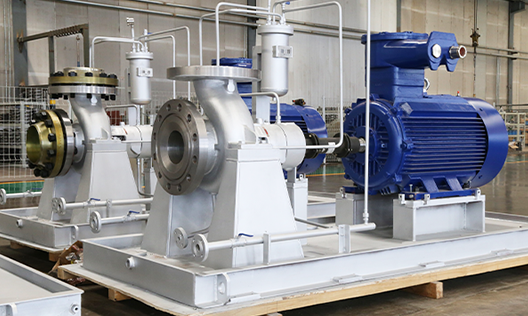
Puede fabricar 26 series de productos, incluyendo bombas de circulación para grandes centrales eléctricas, bombas de condensación para grandes centrales eléctricas, bombas petroquímicas, bombas multietapa, bombas de aguas residuales y lodo, bombas multietapa autoequilibradas, bombas de doble succión y única etapa tipo split, y bombas centrífugas de succión simple y única etapa.
-
Cases
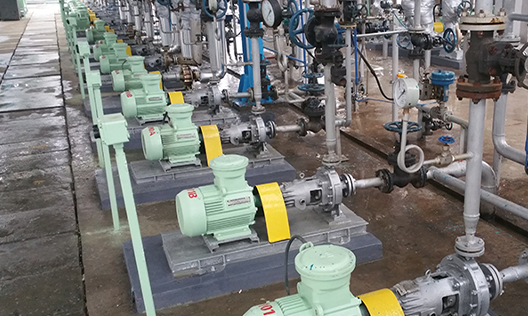
La elección de más de cientos de miles de clientes, cubriendo industrias como minería de carbón, metalurgia, química, energía, recursos hídricos, alimentos, municipalidades y protección ambiental, y exportando a Asia Sudeste, África, América y otros lugares.
-
Service
La empresa fue la primera en la industria en obtener las certificaciones internacionales del sistema de calidad ISO 9001:2008, del sistema de gestión ambiental ISO 14001 y del sistema de gestión de seguridad y salud ocupacional GB/T 28001, además de la certificación API 610 de la Asociación Estadounidense del Petróleo.
-
About us
La empresa, fundada en 1989, es una empresa nacional de alta tecnología integral que integra diseño, investigación y desarrollo, fabricación y servicios; actualmente es una empresa clave en la industria china de bombas centrífugas y una de las grandes fábricas especializadas.
-

Blogs
Con productos innovadores, calidad excepcional y servicios integrales, buscamos la verdad y la pragmática, avanzamos con iniciativa, y nos esforzamos por lograr el objetivo de ser "la marca líder en el campo de aplicación de bombas centrífugas en el país"! Raigada en Hunan, orientada a todo el país y hacia el mundo!
Top Features to Look for in a Quality Submersible Pump: A Comprehensive Guide
Publication Date:
2026-01-29
Author:
Source:


Top Features to Look for in a Quality Submersible Pump
Table of Contents
- Understanding Submersible Pumps
- The Importance of Quality in Submersible Pumps
- Key Features of a Quality Submersible Pump
- Material and Build Quality
- Motor Efficiency and Performance
- Pump Design and Configuration
- Energy Efficiency
- Operational Depth and Capacity
- Ease of Maintenance
- Reliability and Longevity
- Cost Effectiveness
- Applications of Submersible Pumps
- Frequently Asked Questions
- Conclusion
Understanding Submersible Pumps
Submersible pumps are specialized devices designed to operate while submerged in fluid. They are commonly used to move water or other liquids from one location to another. Their design allows them to be fully immersed in the fluid, eliminating the need for suction lines and making them ideal for applications in wells, sumps, and other confined spaces.
These pumps work by using a hermetically sealed motor to drive the impeller, which pushes the liquid upwards through the discharge pipe. This unique construction enhances their efficiency and reduces the risk of cavitation, a condition that can damage standard pumps.
The Importance of Quality in Submersible Pumps
Investing in a high-quality submersible pump is vital for both efficiency and reliability. Poorly made pumps can lead to frequent breakdowns, costly repairs, and inefficient energy use. By focusing on quality features, you can ensure that your pump performs optimally throughout its lifespan.
Quality submersible pumps are designed to withstand harsh conditions, offering durability and reliability that cheaper models often lack. Additionally, a quality pump minimizes downtime and maximizes productivity, making it a crucial asset for both residential and industrial applications.
Key Features of a Quality Submersible Pump
When selecting a submersible pump, several critical features should be considered to ensure optimal performance and longevity. Below, we delve into the most important characteristics to look for.
Material and Build Quality
The materials used in a submersible pump significantly affect its durability and performance. High-quality pumps are often made from corrosion-resistant materials like stainless steel or thermoplastic. These materials enhance longevity, especially in harsh environments where exposure to chemicals and abrasive elements is common.
Investing in a pump with a robust construction will prevent wear and tear over time, ensuring that it continues to operate efficiently. Look for pumps with solid casing and impeller designs that can withstand rigorous use.
Motor Efficiency and Performance
The efficiency of the motor is a key factor in a submersible pump's performance. A high-efficiency motor not only provides better flow rates but also consumes less energy. This is particularly important for long-term operational costs.
Motors should have a high power-to-weight ratio, allowing the pump to deliver maximum performance without excessive energy consumption. Advanced features, such as thermal overload protection, can also enhance motor longevity and reliability.
Pump Design and Configuration
The design and configuration of the pump affect its operational capabilities. Vertical or horizontal configurations can influence the pump's installation and maintenance.
A quality submersible pump should have a design that allows for easy access to components for maintenance and repairs. Additionally, a well-designed impeller can enhance the pump's efficiency by maximizing hydraulic performance and minimizing cavitation risks.
Energy Efficiency
In today's environmentally-conscious world, energy efficiency is a paramount consideration. Pumps that meet or exceed energy efficiency standards can reduce operating costs significantly.
Look for pumps with energy star ratings or those that are built with energy-efficient technologies, such as variable frequency drives (VFDs), which adjust the motor speed according to the flow demand, further saving energy.
Operational Depth and Capacity
Understanding the operational depth and capacity is essential for selecting the right submersible pump for your needs. Submersible pumps come in various sizes, capable of handling different volumes of liquid at various depths.
It's crucial to evaluate the depth of the water source and the volume of water to be pumped to select a pump that can handle your specific requirements. Quality pumps will offer reliable performance across their specified depth ranges.
Ease of Maintenance
A quality submersible pump should require minimal maintenance while still being easy to service when needed. Look for designs that allow for straightforward disassembly and access to internal components.
Regular maintenance not only ensures the pump operates efficiently but also extends its lifespan. A pump that requires specialized tools or extensive disassembly for maintenance can quickly become a burden.
Reliability and Longevity
Reliability is a crucial factor when it comes to selecting a submersible pump. A quality pump should provide consistent performance over many years.
Check for warranties and customer reviews that indicate the pump's reliability. Pumps built with high-quality materials and advanced technologies will typically have better longevity.
Cost Effectiveness
While it may be tempting to opt for the cheapest available option, investing in a high-quality submersible pump can lead to significant savings in the long run. Consider the total cost of ownership, including energy consumption, maintenance, and replacement costs.
A quality pump might have a higher upfront cost, but its efficiency, durability, and reduced maintenance needs can result in lower overall expenses over its lifespan.
Applications of Submersible Pumps
Submersible pumps are versatile and can be utilized in various applications including:
- **Residential Use:** Ideal for home basements, swimming pools, and water wells.
- **Construction Sites:** Efficient for dewatering during excavation and foundation work.
- **Agricultural Use:** Used for irrigation and draining excess water from fields.
- **Industrial Applications:** Commonly employed in manufacturing processes and wastewater treatment facilities.
- **Marine and Aquatic Applications:** Effective for aquaculture, fish farming, and water quality management in ponds and lakes.
These diverse applications highlight the importance of selecting a pump that meets the specific demands of the intended use.
Frequently Asked Questions
1. What is the lifespan of a quality submersible pump?
A well-maintained quality submersible pump can last anywhere from 5 to 15 years, depending on usage, maintenance, and environmental conditions.
2. Can submersible pumps be used for sewage and wastewater?
Yes, specialized submersible pumps are designed specifically for handling sewage and wastewater, equipped with features to manage solids and debris.
3. How do I know what size submersible pump to buy?
Consider the depth of the water source and the flow rate you need. Manufacturers typically provide guidelines based on specific applications.
4. Are there energy-efficient submersible pumps available?
Yes, many manufacturers produce energy-efficient models that can save on operational costs and reduce environmental impact.
5. What kind of maintenance do submersible pumps require?
Routine inspections, cleaning, and lubrication of parts are important for maintaining performance. It's also essential to check for any signs of wear or damage.
Conclusion
Selecting the right submersible pump requires careful consideration of various factors, including material quality, motor efficiency, and overall design. By focusing on the key features discussed in this guide, you can make an informed decision that ensures optimal performance and longevity for your specific needs. Whether for residential, agricultural, or industrial applications, investing in a quality submersible pump will save you time, money, and headaches in the long run.
Recommended Information


Related Products
Perhaps you also want to know?
Zoomlian Pump Industry
Address:No. 210, Environmental Protection Middle Road, Yuhua Economic Development Zone, Changsha City, Hunan Province China
All rights reserved © Changsha Zoomlian Pump Co., Ltd.
This website supports IPv4 IPv6 bidirectional access
Website construction:Zhongqi Power Changsha