

-
Products
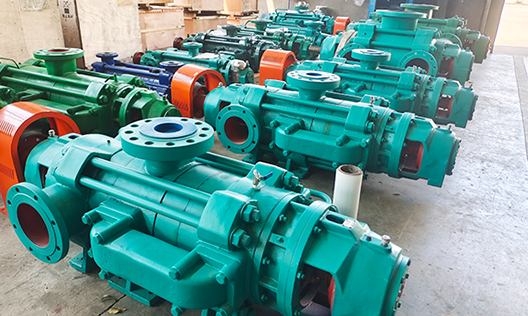
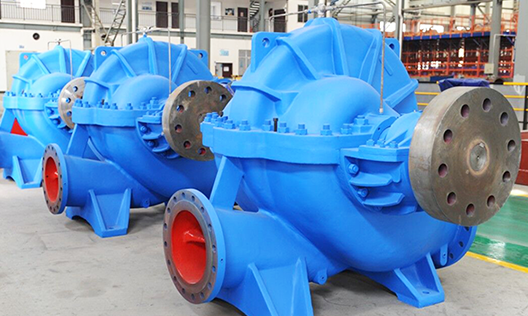
Puede fabricar 26 series de productos, incluyendo bombas de circulación para grandes centrales eléctricas, bombas de condensación para grandes centrales eléctricas, bombas petroquímicas, bombas multietapa, bombas de aguas residuales y lodo, bombas multietapa autoequilibradas, bombas de doble succión y única etapa tipo split, y bombas centrífugas de succión simple y única etapa.
-
Cases
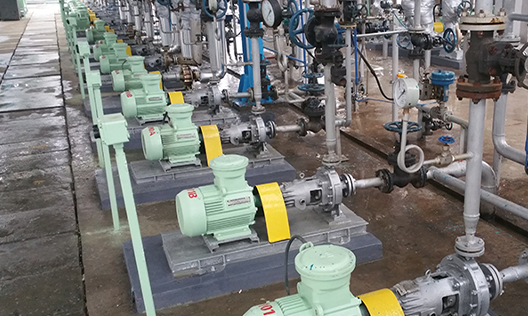
La elección de más de cientos de miles de clientes, cubriendo industrias como minería de carbón, metalurgia, química, energía, recursos hídricos, alimentos, municipalidades y protección ambiental, y exportando a Asia Sudeste, África, América y otros lugares.
-
Service
La empresa fue la primera en la industria en obtener las certificaciones internacionales del sistema de calidad ISO 9001:2008, del sistema de gestión ambiental ISO 14001 y del sistema de gestión de seguridad y salud ocupacional GB/T 28001, además de la certificación API 610 de la Asociación Estadounidense del Petróleo.
-
About us
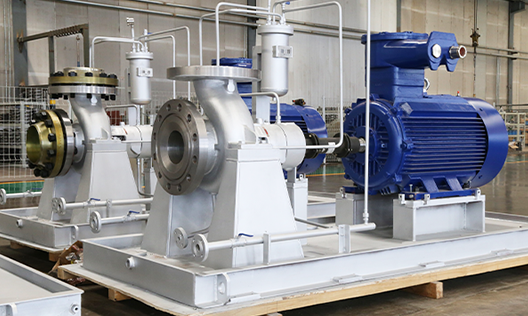
La empresa, fundada en 1989, es una empresa nacional de alta tecnología integral que integra diseño, investigación y desarrollo, fabricación y servicios; actualmente es una empresa clave en la industria china de bombas centrífugas y una de las grandes fábricas especializadas.
-
Blogs
Con productos innovadores, calidad excepcional y servicios integrales, buscamos la verdad y la pragmática, avanzamos con iniciativa, y nos esforzamos por lograr el objetivo de ser "la marca líder en el campo de aplicación de bombas centrífugas en el país"! Raigada en Hunan, orientada a todo el país y hacia el mundo!
Reasons for Bearing Failure in Wear-Resistant Multistage Centrifugal Pumps Used in Mining and Tips to Extend Their Lifespan
Publication Date:
2025-10-28
Author:
Source:


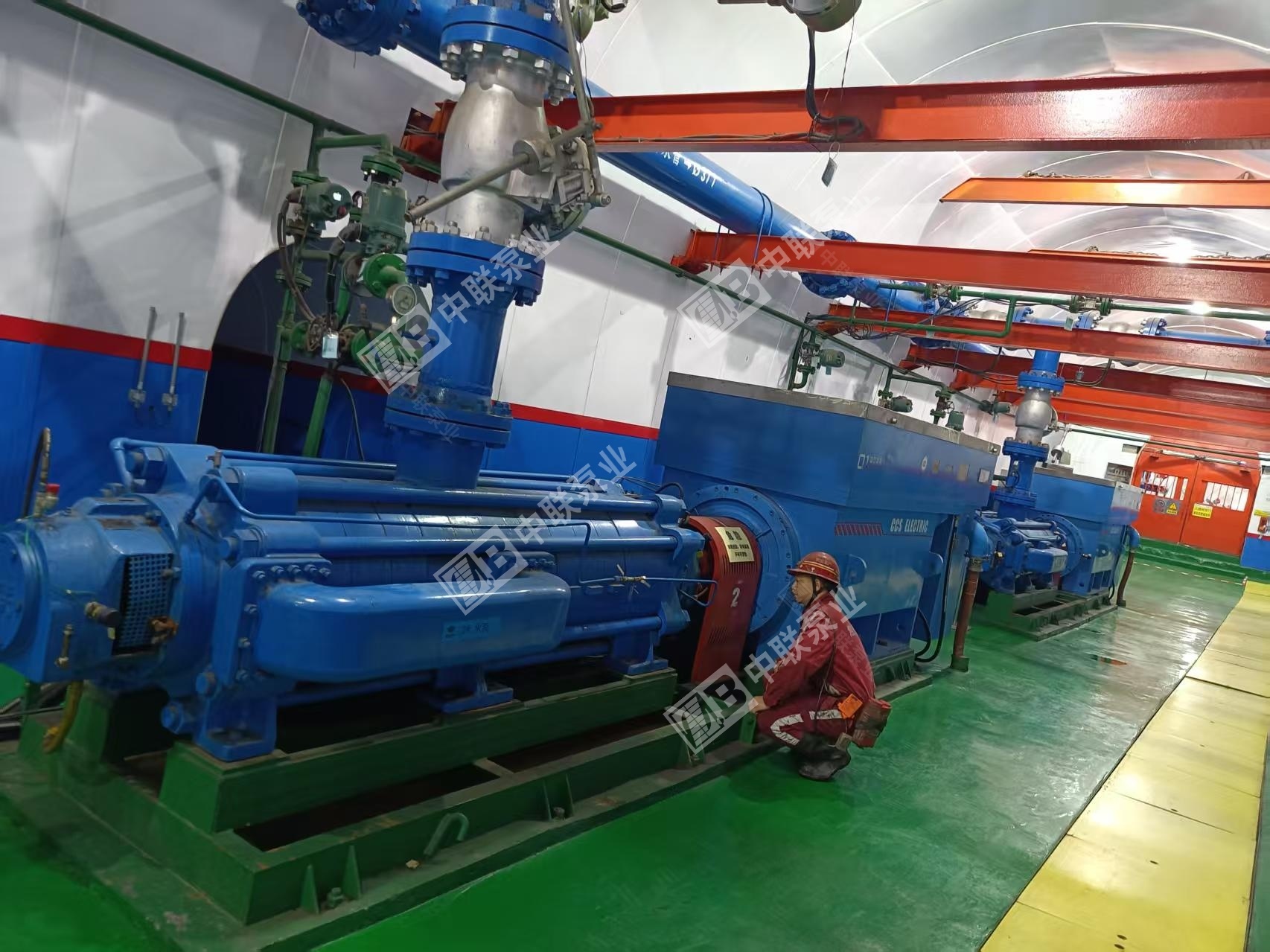
Mining wear-resistant multistage centrifugal pump It is a critical piece of equipment for industrial fluid transportation, and as the core transmission component, the bearing's operational status directly affects the pump's energy efficiency and overall lifespan. However, during prolonged use, bearings inevitably experience performance degradation or even failure—issues that not only reduce equipment efficiency but can also lead to sudden malfunctions. In this article, a manufacturer of multistage centrifugal pumps Changsha Zhonglian Pump Industry We will analyze for you: the causes of bearing failure in wear-resistant, multi-stage centrifugal pumps used in mining applications, as well as tips to extend their lifespan—helping your company reduce equipment wear and lower operational maintenance costs.
I. The Core Causes of Bearing Failure
1. Material Fatigue and Mechanical Loss
When bearings operate at high speeds, the inner and outer races as well as the rolling elements are constantly subjected to cyclic loads. Over time, these repeated stress cycles can lead to the formation of microscopic fatigue cracks within the material. As operation continues, these cracks gradually propagate, potentially resulting in surface spalling, dimensional deformation, and other critical issues. Additionally, if the fit between the bearing and the shaft is not precise enough—such as excessive looseness causing wobbling or excessive tightness leading to binding—the contact surfaces will experience intensified mechanical wear, further accelerating performance degradation.
2. Lubrication System Abnormality
Lubrication is key to ensuring the stable operation of bearings. If the amount of grease added is insufficient, it can lead to direct metal-to-metal contact and friction, generating excessive heat. Additionally, if the grease is left unreplaced for an extended period or if the wrong type is selected—for instance, using high-temperature grease in low-temperature environments—oxidation and hardening will occur, causing the grease to lose its lubricating properties. Both scenarios significantly accelerate bearing wear and ultimately shorten the component's effective service life.
3. Environmental factor erosion
The working environment significantly affects the performance of bearings:
High-humidity environments easily lead to rusting of bearing metal surfaces, compromising their original precision.
High-temperature environments accelerate the aging and failure of grease, while simultaneously reducing the mechanical strength of bearing materials.
Operating conditions involving dust and corrosive gases (such as in chemical plants or mining environments) can allow impurities to penetrate inside the bearings, leading to abrasive wear and chemical corrosion, which directly result in performance degradation.
4. Long-term Overloading Operation
Mining wear-resistant multistage centrifugal pump There are clearly defined rated parameters (such as flow rate and head), but if the actual operating load exceeds the bearing's design capacity—particularly under conditions like frequent starts and stops or abnormally high viscosity of the conveyed medium—it can lead to excessive radial or axial forces on the bearing, accelerating material fatigue and potentially causing premature failure.
5. Improper installation and maintenance
If installation is not performed according to technical standards—such as bearing housing misalignment or uneven tightening torque of bolts—it can lead to uneven loading on the bearing during operation, resulting in additional stress. Additionally, inadequate daily maintenance—like failing to regularly clean the bearing housing or promptly replacing damaged seals—will allow contaminants to enter and lubrication to fail, causing these issues to worsen over time and accelerating the degradation of bearing performance.
II. Practical Solutions to Extend Bearing Life
1. Optimize Lubrication Management
Select the appropriate grease according to the equipment manual (e.g., choose complex lithium-based grease for high-temperature conditions), and regularly inspect the oil's condition—typically after each operation. 20003000 Change it once every hour;
Strictly control the amount of grease added (typically to about the bearing cavity's volume) 1/22/3 ), avoiding excessive amounts that could lead to poor heat dissipation, or insufficient amounts that might cause dry friction.
2. Improve the work environment
In humid and dusty environments, install a protective cover for the pump body and, if necessary, equip it with dehumidification and dust removal devices.
Under high-temperature conditions, adding a cooling system (such as a water-cooling jacket) helps keep the bearing's operating temperature within… 70℃ The following;
In corrosive environments, select stainless steel bearings or apply anti-corrosion coatings to minimize chemical erosion.
3. Avoid operating under overload conditions
Install flow and pressure sensors to monitor the pump's operating parameters in real time, ensuring operation within the rated range.
When conveying high-viscosity media, pre-treat it in advance (e.g., by heating or dilution) to reduce operational load.
Reduce unnecessary frequent starts and stops, check whether the impeller is stuck before starting, and minimize instantaneous impact loads.
4. Proper Installation and Maintenance
When installing, use specialized tools (such as a bearing heater) to ensure proper fit accuracy and avoid forceful hammering.
Regularly (recommended monthly) inspect the bearing's operating condition by listening for unusual noises, measuring temperature (to check for overheating), and monitoring vibration (to determine if the frequency is abnormal).
Promptly replace aged seals to prevent medium leakage from contaminating the bearings, while also cleaning out impurities and old grease from within the bearing housing.
By addressing the above issues in a targeted manner, it is possible to effectively slow down Mining wear-resistant multistage centrifugal pump The degradation of bearing performance enhances equipment operational stability while reducing enterprise maintenance costs and downtime losses. In daily operations, it is recommended to develop a personalized maintenance plan based on equipment operating records, ensuring that bearings consistently maintain optimal working conditions.
Recommended Information


Related Products
Perhaps you also want to know?
Zoomlian Pump Industry
Address:No. 210, Environmental Protection Middle Road, Yuhua Economic Development Zone, Changsha City, Hunan Province China
All rights reserved © Changsha Zoomlian Pump Co., Ltd.
This website supports IPv4 IPv6 bidirectional access
Website construction:Zhongqi Power Changsha