

-
Products
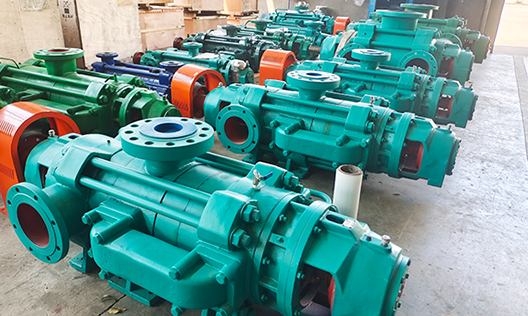
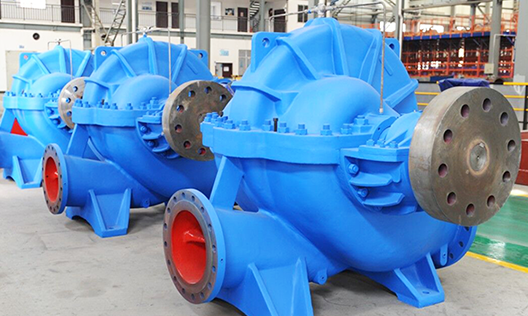
Puede fabricar 26 series de productos, incluyendo bombas de circulación para grandes centrales eléctricas, bombas de condensación para grandes centrales eléctricas, bombas petroquímicas, bombas multietapa, bombas de aguas residuales y lodo, bombas multietapa autoequilibradas, bombas de doble succión y única etapa tipo split, y bombas centrífugas de succión simple y única etapa.
-
Cases
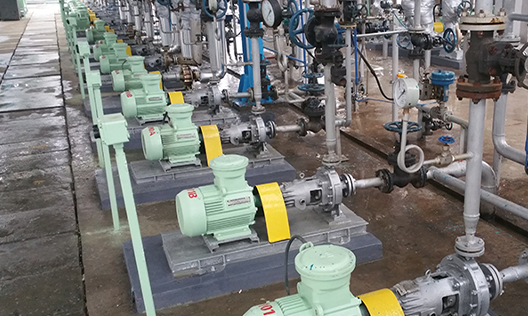
La elección de más de cientos de miles de clientes, cubriendo industrias como minería de carbón, metalurgia, química, energía, recursos hídricos, alimentos, municipalidades y protección ambiental, y exportando a Asia Sudeste, África, América y otros lugares.
-
Service
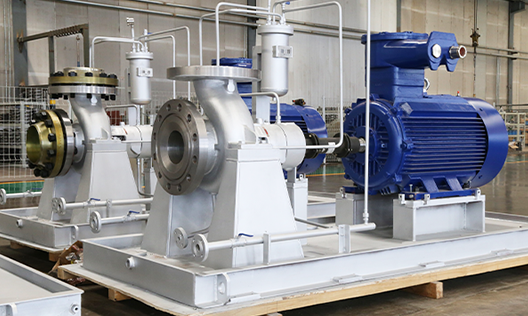
La empresa fue la primera en la industria en obtener las certificaciones internacionales del sistema de calidad ISO 9001:2008, del sistema de gestión ambiental ISO 14001 y del sistema de gestión de seguridad y salud ocupacional GB/T 28001, además de la certificación API 610 de la Asociación Estadounidense del Petróleo.
-
About us
La empresa, fundada en 1989, es una empresa nacional de alta tecnología integral que integra diseño, investigación y desarrollo, fabricación y servicios; actualmente es una empresa clave en la industria china de bombas centrífugas y una de las grandes fábricas especializadas.
-

Blogs
Con productos innovadores, calidad excepcional y servicios integrales, buscamos la verdad y la pragmática, avanzamos con iniciativa, y nos esforzamos por lograr el objetivo de ser "la marca líder en el campo de aplicación de bombas centrífugas en el país"! Raigada en Hunan, orientada a todo el país y hacia el mundo!
How to choose a high-flow, low-head pump?
Publication Date:
2025-10-29
Author:
Source:


Whether it's irrigation for farmland, circulating water in reservoirs, small-scale water treatment, or supplying water to livestock farms, there’s often a need for "high flow rates but not excessively high head pressure." Choosing the right pump not only saves on electricity costs but also minimizes maintenance issues. On the other hand, selecting the wrong pump may result in insufficient flow—or worse, problems arise shortly after use, leading to unnecessary expenses. Today, pump manufacturers Changsha Zoomlion Pump Industry Sales engineers clearly explain, in simple terms, which type of pump is best suited for high-flow, low-head applications—so even beginners can easily find the right fit.

I. 3 Core model series: Tailored for different usage scenarios
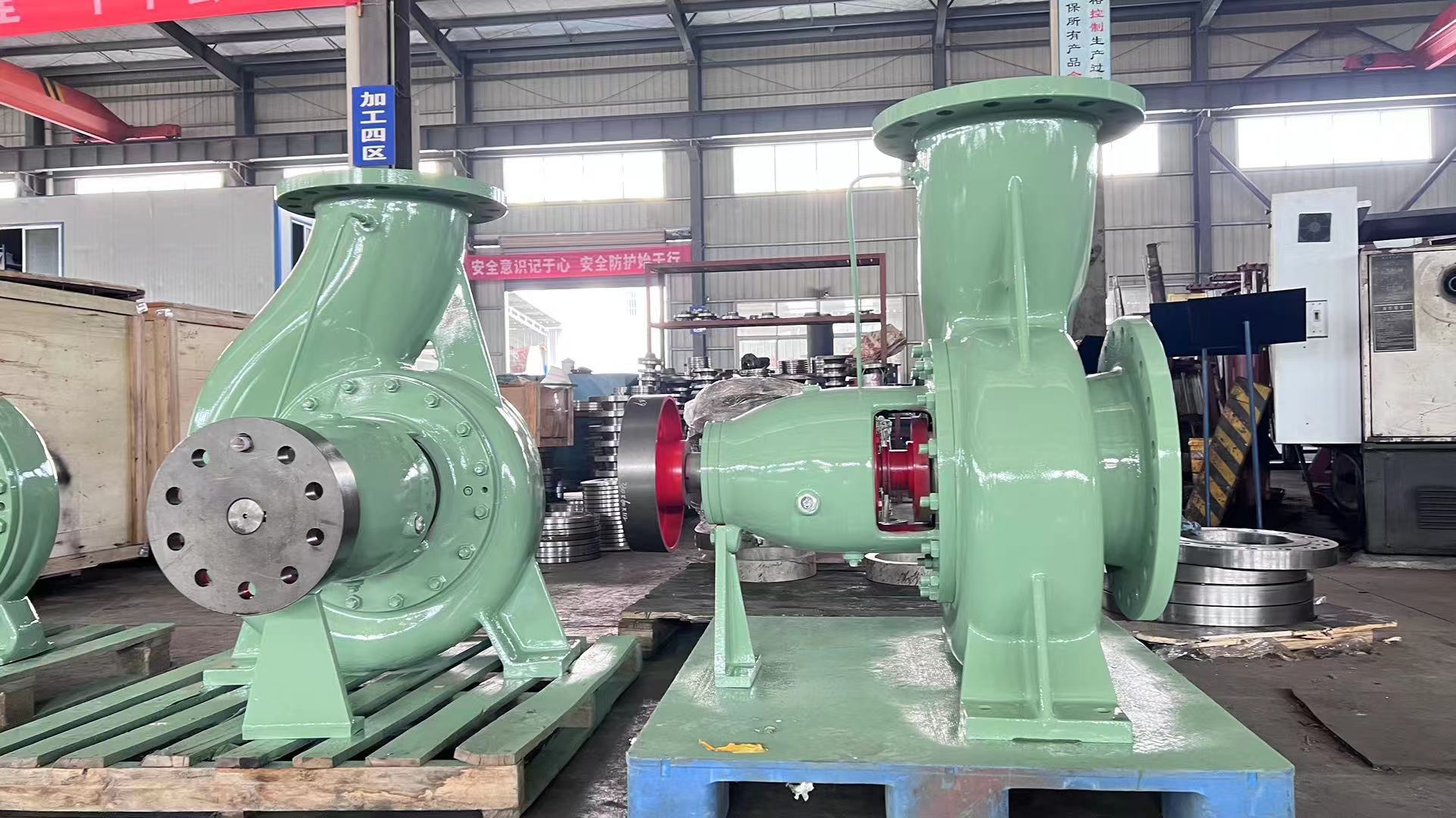
1. Single-stage, single-suction centrifugal pump (high-flow model)
This is the "all-purpose" model for high-flow, low-head applications, capable of handling flows ranging from tens to hundreds of cubic meters per hour, with typical head levels around 10-50 Between these models, it fully meets most low-head applications. Its advantages include a simple structure and convenient long-term maintenance—capable of handling both clean water and slightly contaminated wastewater, such as for orchard irrigation, pool water changes, or factory cooling water circulation. Plus, its energy consumption isn’t high, helping you save significantly on electricity bills over time.
2. Mixed-flow pump: The "balance expert" of flow and head
If the required flow rate is particularly high, while the head is at 10-30 Between the two, the mixed-flow pump is the better choice. It delivers a higher flow rate than centrifugal pumps of the same specification, while also boasting greater efficiency—perfect for scenarios requiring "large-volume water transfer," such as large-scale agricultural irrigation, urban drainage, and river channel dredging. With mixed-flow pumps, you can complete tasks in fewer trips, effectively doubling your productivity. Plus, installation is highly flexible: you can choose either vertical or horizontal configurations, and the footprint isn’t overly large, making it ideal for spaces with limited room.

3. Axial-flow pump: The "exclusive model" for ultra-high flow rates
If the flow rate requirement reaches thousands of cubic meters per hour, the head only needs 5-20 For applications like replacing water in large reservoirs, draining floodwater from ports, or irrigating extensive rice fields, axial-flow pumps are commonly used. They are characterized by their exceptionally high flow rates, enabling rapid delivery of large volumes of water, and offer stable operation, making them ideal for long-term, continuous use. However, it’s important to note that axial-flow pumps have slightly higher requirements for the medium being pumped—ideally used with clean water or liquids containing only minimal suspended particles—to prevent clogging.

II. Selection and Purchase 3 Key tips: Avoiding common pitfalls
1. First, clearly define the parameters: Calculate in advance the actual flow rate needed (e.g., how many tons per hour) and the head (how high the water needs to be pumped). Then, proceed based on "actual demand." +10% "Select the 'margin' option to avoid wasting electricity by choosing too much, or falling short if you pick too little."
2. Match the medium characteristics: Choose a centrifugal pump or axial-flow pump for clear water; opt for a wear-resistant mixed-flow pump if the liquid contains small amounts of impurities. For corrosive liquids, select models made from special materials (such as stainless steel) to prevent corrosion of the pump body.
3. When considering energy consumption and after-sales service: Prioritize models with Level 1 energy efficiency, as they can significantly reduce electricity costs over the long term. At the same time, choose brands that offer reliable after-sales support, making it easier to handle repairs and component replacements later on—so you won’t have to interrupt your usage.
Actually, selecting a pump for high flow and low head doesn’t have to be complicated—just identify the right flow rate, head, and fluid type, then match it with one of the models listed above, and you’ll likely make the right choice. If you’re unsure which model suits your specific application, or if you have precise parameters you’d like us to match, feel free to reach out anytime. We’ll be happy to recommend a model that offers the best value for your needs.
Recommended Information


Related Products
Perhaps you also want to know?
Zoomlian Pump Industry
Address:No. 210, Environmental Protection Middle Road, Yuhua Economic Development Zone, Changsha City, Hunan Province China
All rights reserved © Changsha Zoomlian Pump Co., Ltd.
This website supports IPv4 IPv6 bidirectional access
Website construction:Zhongqi Power Changsha