

-
Products
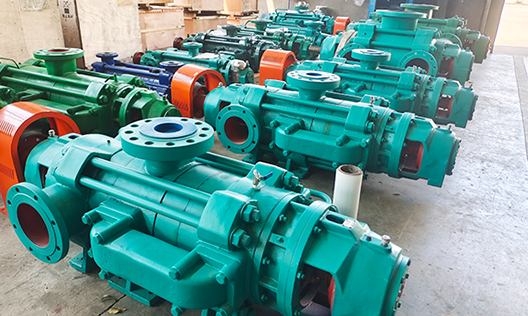
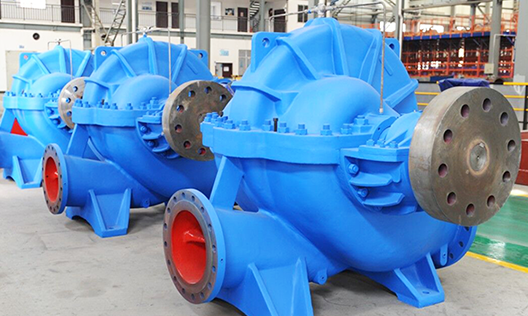
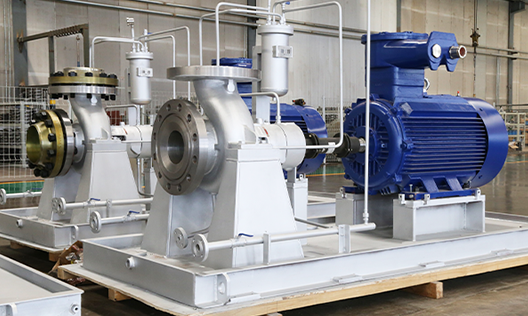
Puede fabricar 26 series de productos, incluyendo bombas de circulación para grandes centrales eléctricas, bombas de condensación para grandes centrales eléctricas, bombas petroquímicas, bombas multietapa, bombas de aguas residuales y lodo, bombas multietapa autoequilibradas, bombas de doble succión y única etapa tipo split, y bombas centrífugas de succión simple y única etapa.
-
Cases
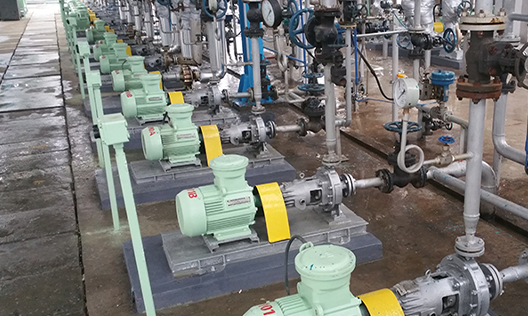
La elección de más de cientos de miles de clientes, cubriendo industrias como minería de carbón, metalurgia, química, energía, recursos hídricos, alimentos, municipalidades y protección ambiental, y exportando a Asia Sudeste, África, América y otros lugares.
-
Service
La empresa fue la primera en la industria en obtener las certificaciones internacionales del sistema de calidad ISO 9001:2008, del sistema de gestión ambiental ISO 14001 y del sistema de gestión de seguridad y salud ocupacional GB/T 28001, además de la certificación API 610 de la Asociación Estadounidense del Petróleo.
-
About us
La empresa, fundada en 1989, es una empresa nacional de alta tecnología integral que integra diseño, investigación y desarrollo, fabricación y servicios; actualmente es una empresa clave en la industria china de bombas centrífugas y una de las grandes fábricas especializadas.
-

Blogs
Con productos innovadores, calidad excepcional y servicios integrales, buscamos la verdad y la pragmática, avanzamos con iniciativa, y nos esforzamos por lograr el objetivo de ser "la marca líder en el campo de aplicación de bombas centrífugas en el país"! Raigada en Hunan, orientada a todo el país y hacia el mundo!
Top 5 Features of Horizontal Multistage Pumps You Didn't Know About
Publication Date:
2026-09-26
Author:
Source:


Introduction to Horizontal Multistage Pumps
Horizontal multistage pumps are critical in various industrial applications, providing efficient fluid transfer under high pressure. Understanding their unique features can significantly enhance your operational efficiency. In this article, we will explore the **top five features of horizontal multistage pumps** that you might not be aware of, helping you appreciate their value in your processes.
What Are Horizontal Multistage Pumps?
Horizontal multistage pumps are designed to handle a variety of fluids, from clean water to corrosive chemicals. They consist of multiple impellers mounted on a single shaft, allowing them to generate higher pressures than single-stage pumps. This makes them ideal for applications requiring high head and flow rates.
Applications of Horizontal Multistage Pumps
These pumps are widely used in industries such as:
- Water treatment
- Agricultural irrigation
- Firefighting systems
- HVAC systems
- Oil & gas sector
Feature 1: Increased Efficiency and Performance
One of the most significant advantages of horizontal multistage pumps is their **high efficiency**. These pumps are designed to provide a consistent flow rate and pressure, reducing energy consumption. Their multistage configuration allows for:
- Higher discharge pressures
- Better performance in high-flow applications
- Increased lifespan due to less wear and tear
The ability to maintain high efficiency contributes to lower operational costs and improved overall productivity.
How Efficiency Impacts Operational Costs
In industrial settings, energy costs can comprise a significant portion of operational expenses. By utilizing horizontal multistage pumps, companies can achieve:
- Reduced energy bills
- Lower maintenance costs
- Extended equipment life
Feature 2: Versatility in Fluid Handling
Horizontal multistage pumps are incredibly versatile. They can handle a wide range of liquids, including:
- Clean water
- Seawater
- Slurries
- Corrosive fluids
This versatility makes them suitable for various applications, from municipal water supply systems to chemical processing plants.
Choosing the Right Pump for Your Application
When selecting a horizontal multistage pump, consider:
- Fluid characteristics (viscosity, temperature, pH)
- Required flow rate and pressure
- Environmental conditions
This consideration ensures that the pump will perform optimally in your specific application.
Feature 3: Compact Design for Space Efficiency
The compact design of horizontal multistage pumps offers significant advantages in environments where space is at a premium. Unlike vertical pumps, which require more vertical space, horizontal pumps:
- Take up less floor space
- Are easier to install and maintain
- Can be integrated into existing systems with minimal modifications
This space efficiency can lead to lower installation costs and increased flexibility in system design.
Installation and Maintenance Considerations
When installing horizontal multistage pumps, ensure that you:
- Provide adequate support for the pump
- Maintain proper alignment to avoid vibration
- Schedule regular maintenance to uphold efficiency
These practices contribute to the long-term performance of the pump system.
Feature 4: Enhanced Durability and Reliability
Durability is a critical aspect of horizontal multistage pumps. Constructed from robust materials like cast iron or stainless steel, these pumps can withstand harsh operational environments. Key durability features include:
- Corrosion resistance
- High tolerance to temperature variations
- Reduced risk of mechanical failure
This durability ensures that pumps can operate continuously without frequent breakdowns, enhancing overall reliability.
Impact of Durability on Maintenance
With durable horizontal multistage pumps, maintenance requirements are significantly reduced. Users can expect:
- Less frequent repairs
- Extended intervals between overhauls
- Decreased costs associated with downtime
This reliability makes them an excellent investment for any industrial operation.
Feature 5: Customization Options for Specific Needs
One of the standout features of horizontal multistage pumps is the **availability of customization options**. Manufacturers often provide tailored solutions to meet specific requirements, such as:
- Impeller design modifications
- Material selection based on fluid compatibility
- Pump sizing to fit unique system demands
These customization options ensure optimal performance tailored to your specific application.
Benefits of Customization
Custom pumps deliver benefits such as:
- Improved efficiency for specific fluid types
- Enhanced performance in unique operational conditions
- Greater satisfaction and value for the user
Investing in a customized solution can lead to long-term operational success.
Conclusion
Horizontal multistage pumps offer numerous features that enhance their performance, reliability, and efficiency in industrial applications. From their increased energy efficiency to their versatility in handling various fluids, these pumps have proven to be indispensable components in many sectors. Understanding these features can help you make informed decisions when selecting pumps for your operations.
By choosing horizontal multistage pumps, you can optimize your systems for improved performance and reduced operational costs. Whether you require a pump for water treatment, HVAC systems, or chemical processing, the unique benefits of these pumps will undoubtedly meet your specific needs.
Frequently Asked Questions (FAQs)
1. What is the main advantage of horizontal multistage pumps compared to single-stage pumps?
The main advantage is their ability to generate higher discharge pressures due to multiple impellers, making them suitable for high-flow applications.
2. Can horizontal multistage pumps handle corrosive fluids?
Yes, many models are designed with materials that provide corrosion resistance, making them suitable for handling corrosive fluids.
3. How do I determine the right size for a horizontal multistage pump?
Consider the required flow rate, maximum head, and the type of fluid being pumped to determine the appropriate size.
4. What maintenance practices should I follow for these pumps?
Regularly check alignment, lubricate bearings, and monitor for unusual vibrations or noises to maintain optimal performance.
5. Are there any specific industries that benefit the most from horizontal multistage pumps?
Industries such as water treatment, agriculture, oil & gas, and HVAC often benefit from the efficiency and reliability of horizontal multistage pumps.
By thoroughly understanding these features and considerations, you can leverage horizontal multistage pumps to maximize your operational efficiency and reliability across various applications.
Previous:
Recommended Information


Related Products
Perhaps you also want to know?
Zoomlian Pump Industry
Address:No. 210, Environmental Protection Middle Road, Yuhua Economic Development Zone, Changsha City, Hunan Province China
All rights reserved © Changsha Zoomlian Pump Co., Ltd.
This website supports IPv4 IPv6 bidirectional access
Website construction:Zhongqi Power Changsha