Blogs
Master the latest industry news and real-time updates of the company
2025-06-18
The year 2025 marks the 25th anniversary of the Forum on China-Africa Cooperation (FOCAC) and is also the inaugural year for implementing the outcomes of the 2024 FOCAC Beijing Summit. This year commemorates the 25th anniversary of FOCAC, under whose guidance China-Africa relations have achieved leapfrog development. China has established strategic partnerships with all 53 African countries with diplomatic ties, trade volume between China and Africa has increased nearly 30 times, and Chinese investment in Africa has grown nearly 100 times, bringing tangible benefits to the peoples of China and Africa.
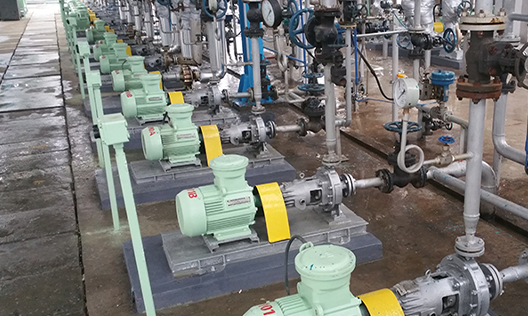
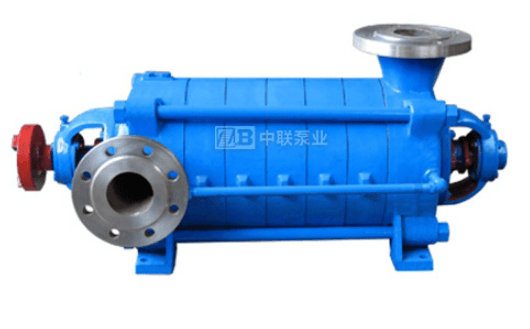
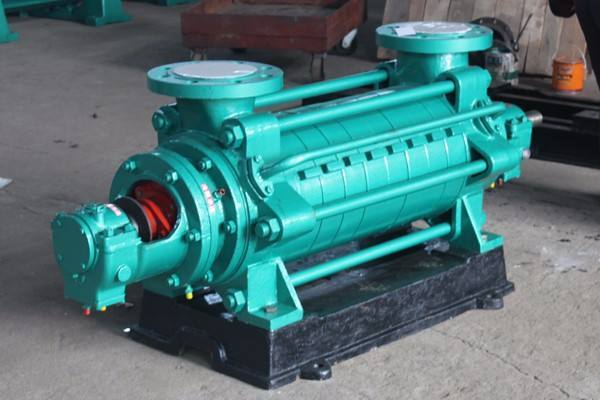
In a thermal system or power plant, the deaerator feedwater pump is one of the key pieces of equipment, primarily responsible for supplying deionized water to the deaerator. Since the deaerator is a mixed-temperature heating device, it must be followed by a pump that boosts the pressure before the water enters the boiler—this pump is known as the feedwater pump. The feedwater pump takes the deoxygenated feedwater, which has already been treated to remove oxygen and maintains a specific temperature, and delivers it to the boiler at an elevated pressure. This ensures that the metal components of the boiler, steam turbine unit, and the entire system remain protected from excessive oxidation and corrosion even under high-temperature conditions. Additionally, the feedwater pump helps maintain the proper water level in the deaerator, thereby guaranteeing a steady supply of water to the waste heat boiler and meeting the boiler's critical water demands.
05
2025-09
Desulfurization Slurry Circulation Pump
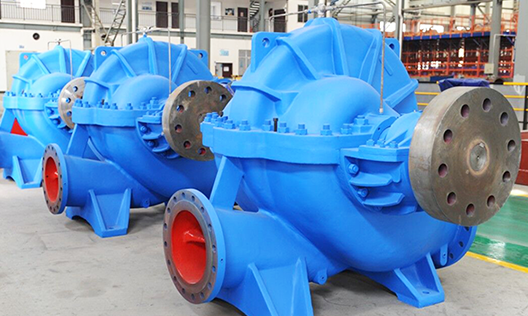
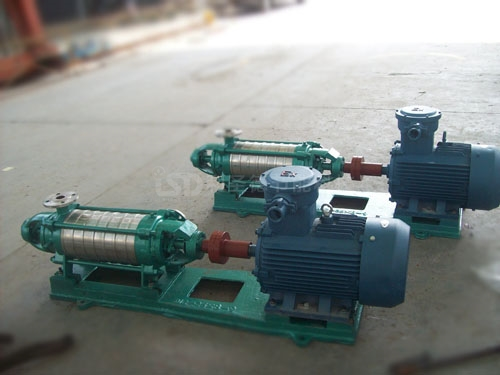
The desulfurization slurry circulation pump is one of the most critical pieces of equipment in a thermal power plant's flue gas desulfurization system. Its primary function is to continuously circulate the slurry within the absorption tower, ensuring a steady supply of lime浆—delivered to the top of the tower and then sprayed downward—to facilitate counter-current contact with gases such as SO₂ (sulfur dioxide), nitrogen oxides, and carbon monoxide inside the tower. This process effectively absorbs large amounts of corrosive gases from the flue gas, protecting the corrosion-resistant materials lining the absorption tower from damage caused by high-temperature exhaust gases.
More than half of the electricity consumed by the FGD flue gas desulfurization system is used to power the absorption tower circulation pumps, making reliability and longevity of these pumps paramount. Consequently, the pumps must operate with exceptional efficiency. The hydraulic design, structural design, and selection of flow-path components for the FGD desulfurization slurry circulation pump directly influence the pump's operational efficiency and overall reliability.
05
2025-09
MDEA Natural Gas Decarbonization Pump
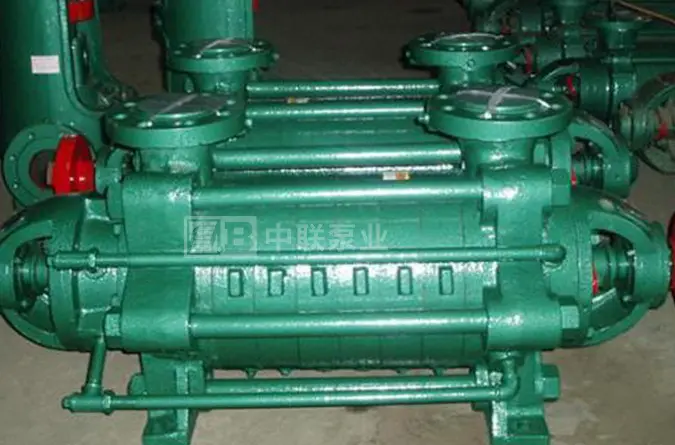
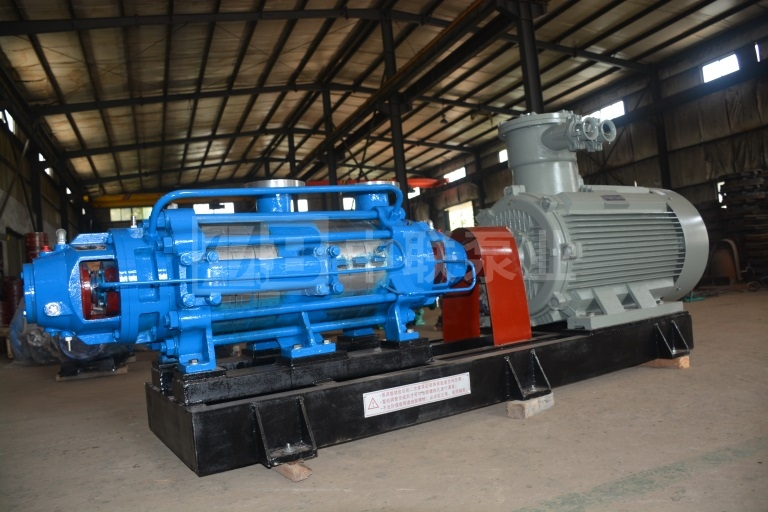
The MDEA natural gas decarbonization pump, also known as the lean solvent pump or amine water pump, uses MDEA, which stands for N-methyldiethanolamine. The MDEA decarbonization unit is a process designed to remove acidic gases from natural gas with high carbon dioxide content. This MDEA-based decarbonization technology leverages an activated MDEA aqueous solution to absorb CO2 from high-pressure, ambient-temperature natural gas or syngas. Subsequently, by reducing pressure and increasing temperature, the absorbed CO2 is desorbed back into the gas phase, effectively regenerating the solvent in the process.
Since dissolved CO2 forms carbonic acid in water, which can increase the acidity of the liquid and lead to corrosion of steel, untreated natural gas could react with residual moisture in residential gas pipelines, forming carbonic acid that gradually erodes the pipeline walls, potentially causing leaks and even accidents. To ensure efficient and safe decarbonization, the MDEA amine solution purification system relies on multi-stage decarbonization pumps. These pumps are not only ideal equipment for CO2 removal during raw material gas purification in the synthetic ammonia industry but also serve as an outstanding choice for various other chemical processing applications.
05
2025-09
Highly Corrosion-Resistant Pump
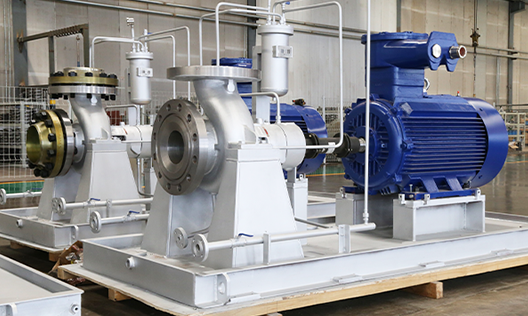
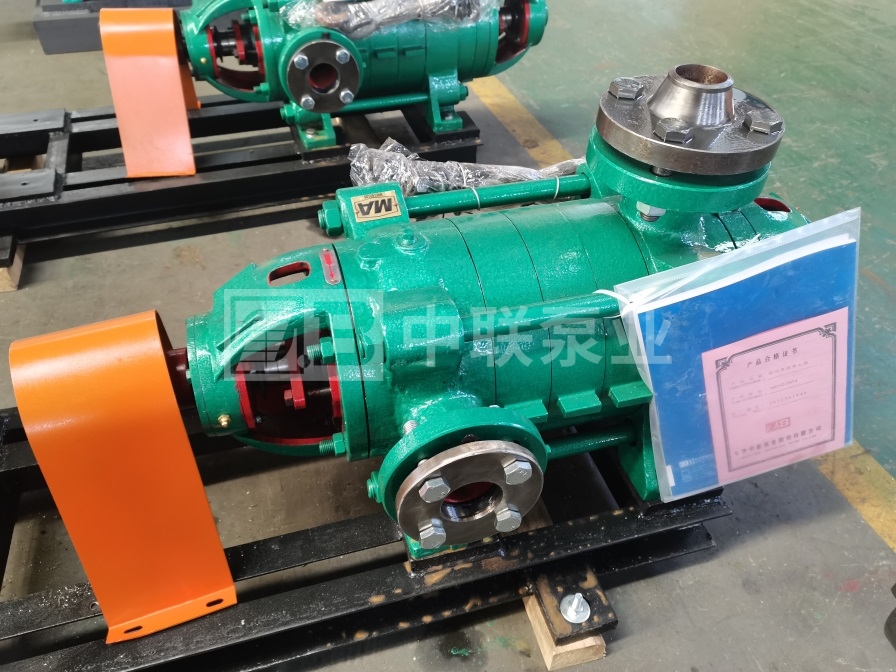
The highly corrosion-resistant pump is a widely used chemical pump product in industrial sectors. As the name suggests, it is a chemically resistant pump with exceptional durability against corrosive substances, primarily designed for transporting liquids that exhibit corrosive properties. It finds applications in industries such as petroleum, chemical processing, fertilizer production, synthetic fibers, power generation, metallurgy, papermaking, mining, light textiles, pharmaceuticals, sugar manufacturing, acid and alkali production, food processing, and environmental protection—enabling the efficient conveyance of acids, bases, oils, rare and precious liquids, toxic substances, and even volatile, corrosive chemical media of varying concentrations.
05
2025-09
The boiler pressure testing pump is an ideal device specifically designed for water pressure tests in boiler feed pump rooms and for generating high-pressure liquids in laboratories. It is suitable for conveying clean water or non-corrosive liquids with physical and chemical properties similar to water, provided the medium temperature remains below 280°C.
05
2025-09