language

    Single Stage Pump Supporting Efficient Fluid Transfer Across Modern Industrial Applications

    Publication Date:

    2026-05-26

    Author:

    Source:

    In modern industrial systems, fluid transfer equipment plays a critical role in supporting manufacturing, water treatment, agriculture, energy production, and infrastructure operations. Among the most commonly used pumping solutions, the single stage pump remains one of the most reliable and versatile types of centrifugal pumps. Its simple structure, stable performance, and broad application range make it an essential component in many industrial and commercial fluid handling systems worldwide.

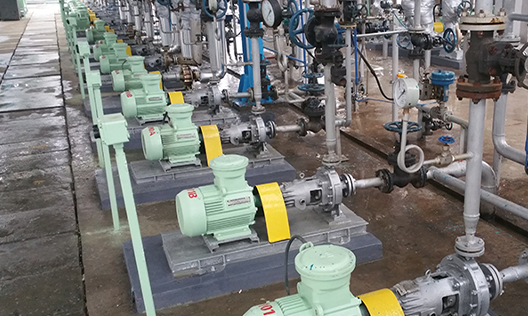
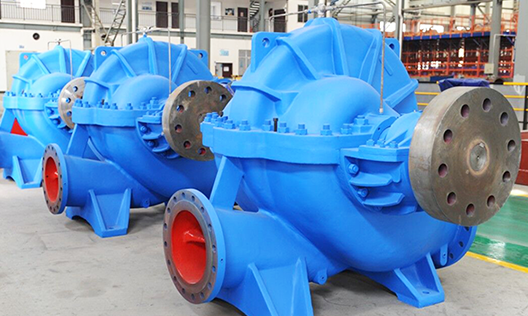
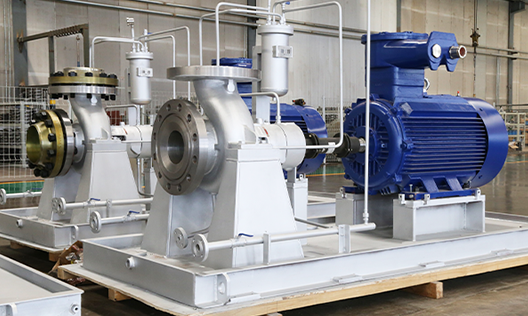
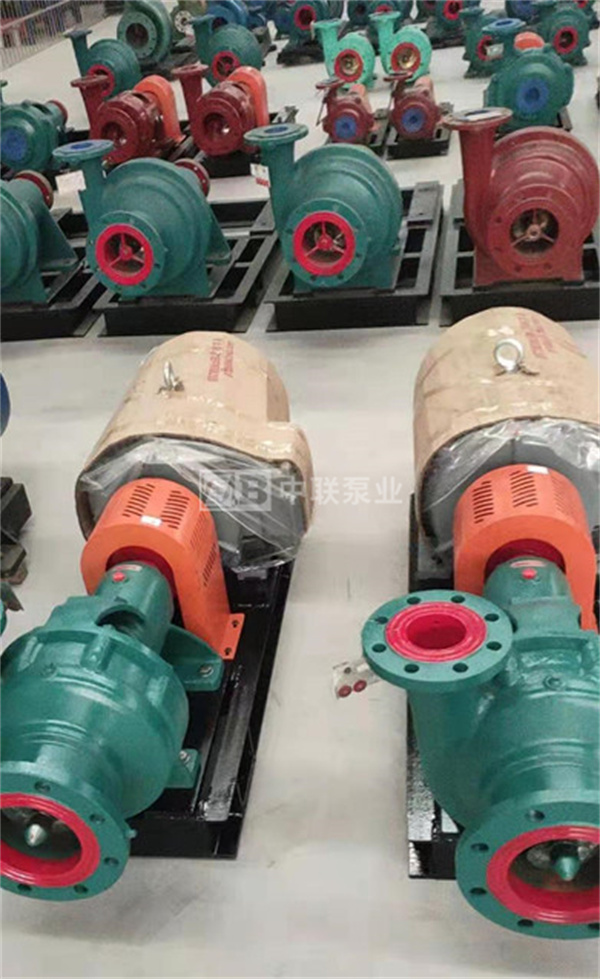
    A single stage pump is a centrifugal pump equipped with one impeller designed to move liquids through mechanical rotational force. The pump operates by converting mechanical energy from a motor into kinetic energy within the fluid. As the impeller rotates, liquid enters the pump inlet and is accelerated outward by centrifugal force, creating continuous flow and pressure. Due to its straightforward design and operational efficiency, the single stage pump is widely used for transferring clean water, industrial fluids, chemicals, and other low-viscosity liquids.

    One of the primary advantages of the single stage pump is its simple mechanical structure. Compared with multi-stage pumping systems, the single stage design contains fewer internal components, making installation, operation, and maintenance easier. This simplicity reduces maintenance costs and minimizes downtime, which is particularly important in industrial environments where operational continuity is essential.

    Stable flow performance is another key characteristic of the single stage pump. The pump is designed to provide consistent liquid flow under a wide range of operating conditions. This makes it suitable for applications such as water supply systems, irrigation projects, pressure boosting systems, cooling circulation systems, and industrial process lines. In many cases, single stage pumps provide sufficient pressure and flow capacity for medium-duty fluid transfer requirements.

    Material selection plays an important role in pump performance and durability. Single stage pumps are commonly manufactured using cast iron, stainless steel, bronze, or specialized alloy materials depending on the application environment and liquid characteristics. Stainless steel pumps are widely used in food processing, pharmaceutical, and chemical industries due to their corrosion resistance and hygienic properties. Cast iron structures provide strong durability and cost efficiency for general industrial and water supply applications.

    Energy efficiency is increasingly important in modern pumping systems. Advances in hydraulic design and motor technology have improved the operational efficiency of single stage pumps while reducing energy consumption. Optimized impeller geometry and improved internal flow channels help reduce hydraulic losses and improve overall pump performance. This contributes to lower operating costs and more sustainable industrial operations.

    The single stage pump is widely used in municipal water supply systems and building services. In residential and commercial buildings, these pumps help maintain stable water pressure and support water circulation systems. In agricultural irrigation applications, single stage pumps are commonly used to transfer water from reservoirs, rivers, or underground sources to farmland and greenhouse systems.

    Industrial manufacturing processes also rely heavily on single stage pumps for fluid circulation and cooling applications. Industries such as power generation, metallurgy, chemical processing, textile production, and food manufacturing use pumps to transfer cooling water, process liquids, and cleaning fluids. Reliable pump performance is critical for maintaining production efficiency and protecting industrial equipment from overheating or system interruption.

    The design flexibility of single stage pumps allows manufacturers to produce various configurations tailored to different operating conditions. Horizontal and vertical installation types are available depending on space limitations and system requirements. Some models are designed for high-flow applications, while others prioritize compact size and quiet operation for commercial or residential use.

    Automation and intelligent monitoring technologies are becoming more common in modern pump systems. Variable frequency drives, sensor monitoring systems, and smart control panels allow operators to adjust pump performance according to real-time demand. These technologies help optimize energy usage, improve system reliability, and reduce unnecessary operational stress on pump components.

    Durability and reliability remain important considerations in pump engineering. High-quality sealing systems, precision bearings, and balanced impeller structures help extend equipment lifespan and reduce mechanical vibration. Proper sealing design also helps prevent leakage and improve operational safety, especially in chemical or industrial fluid handling applications.

    Quality control is a critical part of single stage pump manufacturing. Pumps undergo strict performance testing, pressure testing, vibration analysis, and efficiency evaluation before delivery. These procedures ensure compliance with industrial standards and verify that the pump can maintain stable operation under specified working conditions.

    OEM and customized pump solutions are increasingly important in the global market. Different industries require pumps with specific flow rates, pressure capacities, material specifications, and motor configurations. Manufacturers provide customized solutions based on customer requirements, ensuring compatibility with diverse industrial systems and operational environments.

    Environmental sustainability is also influencing the pump industry. Manufacturers are focusing on energy-saving designs, recyclable materials, and efficient production processes to reduce environmental impact. Improved pump efficiency not only lowers energy consumption but also supports long-term sustainable industrial development.

    The growing demand for infrastructure development, industrial automation, and water management systems continues to drive the global market for single stage pumps. As industries expand and modernize, reliable fluid transfer systems remain essential for maintaining stable operations and efficient resource management.

    Looking ahead, future developments in single stage pump technology are expected to focus on smarter control systems, enhanced hydraulic efficiency, and improved material durability. Integration with digital monitoring platforms and predictive maintenance technologies may further improve operational reliability and reduce maintenance costs in industrial applications.

    In conclusion, the single stage pump remains a fundamental and highly versatile solution for fluid transfer across multiple industries. Its simple structure, reliable performance, energy efficiency, and wide application range make it an essential component in modern industrial, agricultural, and commercial systems. As technology continues to evolve, single stage pumps will continue to support efficient and sustainable fluid management solutions worldwide.


    Related Products