

-
Products
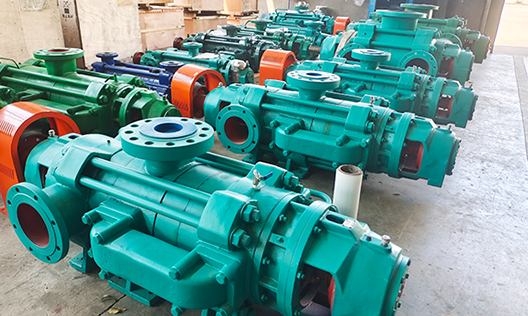
Puede fabricar 26 series de productos, incluyendo bombas de circulación para grandes centrales eléctricas, bombas de condensación para grandes centrales eléctricas, bombas petroquímicas, bombas multietapa, bombas de aguas residuales y lodo, bombas multietapa autoequilibradas, bombas de doble succión y única etapa tipo split, y bombas centrífugas de succión simple y única etapa.
-
Cases
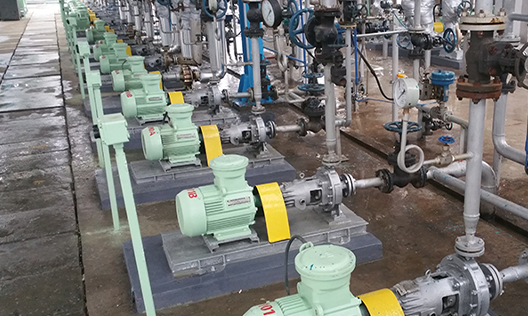
La elección de más de cientos de miles de clientes, cubriendo industrias como minería de carbón, metalurgia, química, energía, recursos hídricos, alimentos, municipalidades y protección ambiental, y exportando a Asia Sudeste, África, América y otros lugares.
-
Service
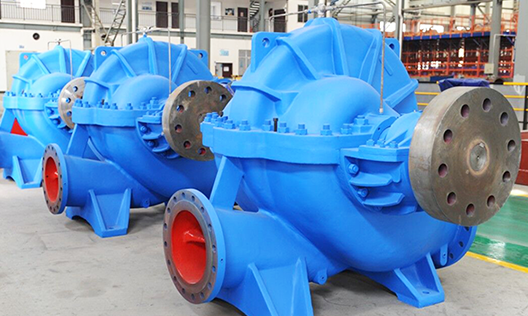
La empresa fue la primera en la industria en obtener las certificaciones internacionales del sistema de calidad ISO 9001:2008, del sistema de gestión ambiental ISO 14001 y del sistema de gestión de seguridad y salud ocupacional GB/T 28001, además de la certificación API 610 de la Asociación Estadounidense del Petróleo.
-
About us
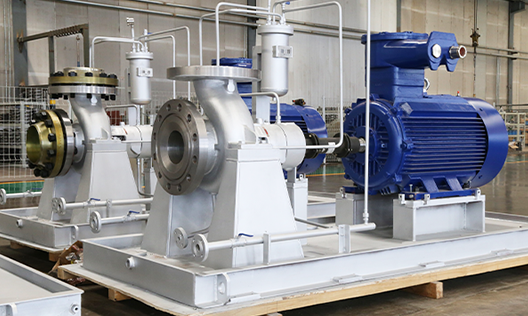
La empresa, fundada en 1989, es una empresa nacional de alta tecnología integral que integra diseño, investigación y desarrollo, fabricación y servicios; actualmente es una empresa clave en la industria china de bombas centrífugas y una de las grandes fábricas especializadas.
-

Blogs
Con productos innovadores, calidad excepcional y servicios integrales, buscamos la verdad y la pragmática, avanzamos con iniciativa, y nos esforzamos por lograr el objetivo de ser "la marca líder en el campo de aplicación de bombas centrífugas en el país"! Raigada en Hunan, orientada a todo el país y hacia el mundo!
Comparing OEM Boiler Feed Pumps: Which Type is Best for Your Industrial Needs?
Publication Date:
2026-05-23
Author:
Source:


Comparing OEM Boiler Feed Pumps: Which Type is Best for Your Industrial Needs?
Boiler feed pumps are critical components in industrial systems, serving the essential function of supplying water to boilers for steam generation. As industries continue to evolve, the variety of OEM (Original Equipment Manufacturer) boiler feed pumps available on the market has grown significantly, each designed to address specific operational needs. In this comprehensive guide, we will explore the different types of OEM boiler feed pumps, their unique features, advantages, and how to select the best option for your operational requirements.
Table of Contents
- Understanding Boiler Feed Pumps
- The Importance of Choosing the Right Pump
- Types of OEM Boiler Feed Pumps
- Key Considerations When Selecting a Boiler Feed Pump
- Advantages of Using OEM Boiler Feed Pumps
- Case Studies: Comparing OEM Boiler Feed Pumps
- FAQs
- Conclusion
Understanding Boiler Feed Pumps
Boiler feed pumps are responsible for delivering water from the feed water system to the boiler. This water typically comes from a condensate return system or a direct feed water supply. The pump must overcome the pressure in the boiler to ensure that the water reaches the appropriate temperature and pressure for efficient steam generation. Utilizing the right pump is crucial for the overall efficiency and reliability of the boiler system.
The Importance of Choosing the Right Pump
Selecting the right OEM boiler feed pump can significantly impact operational efficiency, energy consumption, and maintenance costs. An inappropriate pump can lead to issues such as cavitation, insufficient water supply, and increased downtime, all of which can hinder productivity. Therefore, understanding the various types of boiler feed pumps and their specific applications is vital for making an informed decision.
Types of OEM Boiler Feed Pumps
With a variety of OEM boiler feed pumps on the market, knowing which type suits your needs is essential. Let's delve into the primary types of OEM boiler feed pumps available for industrial applications.
Centrifugal Boiler Feed Pumps
Centrifugal pumps are among the most common types of boiler feed pumps. They operate using a rotating impeller to impart kinetic energy to the fluid, converting it into hydraulic energy. These pumps are typically used in applications requiring high flow rates and lower pressure.
**Advantages of Centrifugal Boiler Feed Pumps:**
- **High Efficiency:** Centrifugal pumps generally have high efficiency, making them suitable for large-scale operations.
- **Low Maintenance Costs:** Their simple design often results in lower maintenance needs.
- **Versatility:** They can handle a wide range of flow rates and pressures, adaptable for various applications.
Positive Displacement Boiler Feed Pumps
Unlike centrifugal pumps, positive displacement pumps move fluid by trapping a fixed amount and forcing it into the discharge pipe. They are beneficial in applications requiring high pressure with precise flow rates.
**Advantages of Positive Displacement Boiler Feed Pumps:**
- **Consistent Flow Rates:** These pumps provide a constant flow regardless of pressure changes.
- **High Pressure Handling:** Ideal for systems requiring high discharge pressures.
- **Self-Priming Capability:** Many positive displacement pumps can self-prime, making them suitable for applications where the pump may not always be submerged.
Multistage Boiler Feed Pumps
Multistage pumps consist of multiple impellers stacked along a single shaft. This design allows them to achieve higher pressures compared to single-stage pumps. They are often used in applications where high pressure is crucial for the operation.
**Advantages of Multistage Boiler Feed Pumps:**
- **High Pressure Output:** Capable of producing significantly higher pressures than single-stage pumps.
- **Compact Design:** The multiple stages allow for a more compact pump design while maintaining high efficiency.
- **Energy Efficiency:** These pumps can often operate more efficiently at higher pressures, reducing energy costs.
Key Considerations When Selecting a Boiler Feed Pump
Choosing the right OEM boiler feed pump involves considering several factors specific to your operational needs.
Operating Conditions
A thorough understanding of operating conditions is crucial. Factors such as temperature, pressure, and the type of fluid being pumped will influence your choice of pump. For example, if your application involves handling hot water or steam, a pump with appropriate materials and seals is necessary to prevent degradation.
Pump Efficiency
Efficiency impacts operational costs significantly. Selecting a pump with higher efficiency ratings can lead to lower energy consumption, reducing overall operational costs. Always consider the pump's efficiency curves and select a pump that operates efficiently within your flow and pressure requirements.
Maintenance Requirements
Understanding the maintenance needs of your selected pump is vital for long-term operational efficiency. Some pumps require more frequent maintenance than others, which can result in higher operational costs. Consider factors such as ease of access for maintenance, the availability of spare parts, and manufacturer support when making your choice.
Advantages of Using OEM Boiler Feed Pumps
Opting for OEM boiler feed pumps comes with a myriad of benefits, including:
- **Quality Assurance:** OEM pumps are designed and manufactured to meet specific standards, ensuring reliability and performance.
- **Tailored Solutions:** OEM manufacturers often provide customized solutions tailored to specific industrial needs.
- **Technical Support:** OEMs typically offer extensive technical support and service, aiding in installation and ongoing maintenance.
Case Studies: Comparing OEM Boiler Feed Pumps
Real-world applications provide valuable insights into how different types of OEM boiler feed pumps perform under varying conditions. Here are a couple of case studies that illustrate performance differences.
**Case Study 1: Manufacturing Facility**
In a manufacturing facility requiring high-volume steam production, a centrifugal boiler feed pump was initially installed. However, as operational demands increased, the facility transitioned to a multistage pump to handle the higher pressures needed for efficient steam generation. This switch resulted in a 20% decrease in energy costs and improved overall steam output.
**Case Study 2: Food Processing Plant**
A food processing plant used a positive displacement pump to achieve precise flow rates for heating water. When the plant expanded operations, they faced challenges with fluctuating pressures. By upgrading to a more robust multistage pump, they stabilized flow rates and reduced downtime due to pump failures.
FAQs
1. What is the primary function of a boiler feed pump?
The primary function of a boiler feed pump is to supply water to a boiler, enabling steam generation for various industrial processes.
2. How do I know which type of boiler feed pump I need?
Choosing the right pump depends on factors such as the required flow rate, discharge pressure, and the characteristics of the fluid being pumped. An analysis of operating conditions will help determine the best type.
3. Are OEM boiler feed pumps more reliable than non-OEM options?
Yes, OEM boiler feed pumps are generally designed to meet specific standards and are often more reliable due to their tailored manufacturing processes and quality assurance.
4. How can I improve the efficiency of my boiler feed pump?
Improving efficiency can be achieved by selecting the right pump for your application, regular maintenance, and ensuring the pump operates within its optimal range.
5. What maintenance practices should I follow for my boiler feed pump?
Regular inspection, cleaning, checking seals and bearings, and monitoring performance metrics are essential maintenance practices to ensure the reliability and longevity of your boiler feed pump.
Conclusion
Selecting the right OEM boiler feed pump is a fundamental decision that can significantly impact operational efficiency, maintenance costs, and overall reliability in industrial applications. Understanding the different types of pumps available, their specific advantages, and the critical factors to consider can empower you to make an informed choice that aligns with your operational needs. By investing time in evaluating these options, you can enhance your system's performance and ensure a steady supply of steam for your operational processes.
Recommended Information



Related Products
Perhaps you also want to know?
Zoomlian Pump Industry
Address:No. 210, Environmental Protection Middle Road, Yuhua Economic Development Zone, Changsha City, Hunan Province China
All rights reserved © Changsha Zoomlian Pump Co., Ltd.
This website supports IPv4 IPv6 bidirectional access
Website construction:Zhongqi Power Changsha