

-
Products
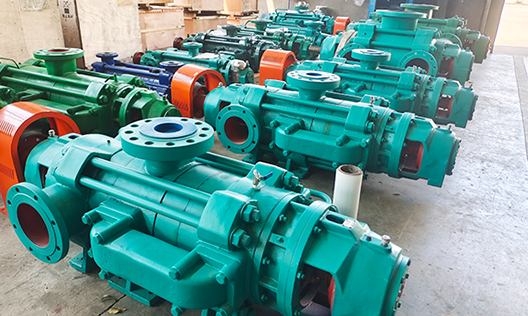
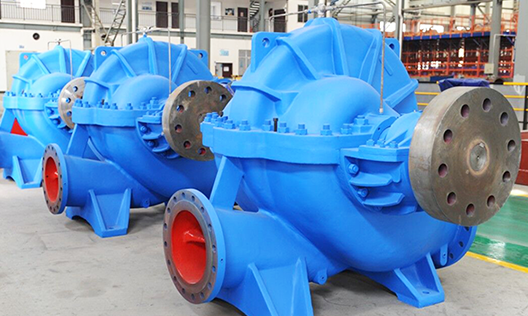
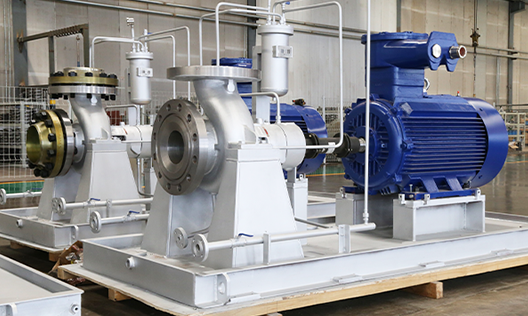
Puede fabricar 26 series de productos, incluyendo bombas de circulación para grandes centrales eléctricas, bombas de condensación para grandes centrales eléctricas, bombas petroquímicas, bombas multietapa, bombas de aguas residuales y lodo, bombas multietapa autoequilibradas, bombas de doble succión y única etapa tipo split, y bombas centrífugas de succión simple y única etapa.
-
Cases
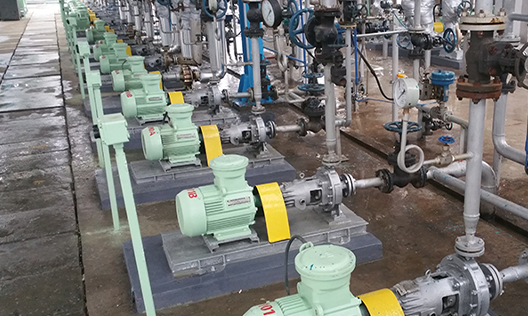
La elección de más de cientos de miles de clientes, cubriendo industrias como minería de carbón, metalurgia, química, energía, recursos hídricos, alimentos, municipalidades y protección ambiental, y exportando a Asia Sudeste, África, América y otros lugares.
-
Service
La empresa fue la primera en la industria en obtener las certificaciones internacionales del sistema de calidad ISO 9001:2008, del sistema de gestión ambiental ISO 14001 y del sistema de gestión de seguridad y salud ocupacional GB/T 28001, además de la certificación API 610 de la Asociación Estadounidense del Petróleo.
-
About us
La empresa, fundada en 1989, es una empresa nacional de alta tecnología integral que integra diseño, investigación y desarrollo, fabricación y servicios; actualmente es una empresa clave en la industria china de bombas centrífugas y una de las grandes fábricas especializadas.
-

Blogs
Con productos innovadores, calidad excepcional y servicios integrales, buscamos la verdad y la pragmática, avanzamos con iniciativa, y nos esforzamos por lograr el objetivo de ser "la marca líder en el campo de aplicación de bombas centrífugas en el país"! Raigada en Hunan, orientada a todo el país y hacia el mundo!
Hot Water Circulation Pump – Reliable, Efficient, and Continuous Heating Solution
Publication Date:
2026-02-26
Author:
Source:


Hot water circulation pump is a high-performance device designed to provide consistent hot water flow across residential, commercial, and industrial heating systems. It ensures rapid and uniform heat distribution, minimizes energy waste, and improves the overall efficiency of heating systems, underfloor heating, and domestic hot water circulation. With modern construction and advanced motor technology, these pumps deliver quiet operation, long service life, and precise temperature control, making them an essential component for homes, office buildings, hotels, and industrial facilities that require reliable hot water supply at all times.
The main framework of hot water circulation pumps focuses on three critical aspects: efficiency, reliability, and convenience. By continuously circulating hot water, the pump prevents stagnation, reduces water temperature fluctuations, and eliminates delays in hot water delivery. This not only enhances user comfort but also minimizes energy consumption and operational costs. Modern pumps feature energy-efficient motors and optimized impeller designs that improve flow performance while lowering noise levels, making them ideal for residential apartments, multi-story buildings, and commercial complexes where comfort and efficiency are priorities.
One of the key advantages of a hot water circulation pump is its ability to deliver instant hot water at multiple points of use. In domestic settings, this ensures showers, faucets, and baths receive immediate hot water without waiting, reducing water wastage and improving convenience. In commercial and industrial applications, it supports consistent heating for large buildings, factories, or processing plants, maintaining stable system temperatures even during peak demand. The pumps are also compatible with various system types, including closed-loop heating, radiant floor heating, and centralized water supply systems, offering flexibility and adaptability to different layouts and requirements.

Functionally, hot water circulation pumps address several common pain points in heating and water supply systems. They prevent water stagnation, which can lead to bacterial growth and corrosion, ensuring safer and cleaner water for users. By maintaining continuous circulation, they reduce the energy required to reheat cold water, contributing to energy savings and environmental sustainability. Additionally, their durable construction and high-quality materials ensure long-term reliability with minimal maintenance, solving problems related to frequent pump replacements, system downtime, and inconsistent water delivery.
A practical application example can be seen in a hotel installation. By integrating hot water circulation pumps into the plumbing system, the hotel ensured that every room received instant hot water regardless of floor location. This improved guest satisfaction, reduced water waste, and lowered energy bills due to optimized circulation. Similarly, a residential apartment complex implemented circulation pumps for its underfloor heating system, achieving even temperature distribution across all units, faster response times, and reduced operating costs. Industrial facilities have also benefited from these pumps by maintaining stable water temperatures in manufacturing processes and minimizing downtime caused by insufficient hot water supply.
Additional advantages include quiet operation, easy installation, and low maintenance requirements. Many modern pumps feature smart controls, variable-speed settings, and energy-saving modes, allowing users to optimize flow rates based on demand. These features not only reduce operational costs but also extend the life of the heating system components. For building managers and homeowners, hot water circulation pumps provide a reliable, cost-effective solution to improve comfort, efficiency, and sustainability.
In summary, the hot water circulation pump is a versatile, efficient, and indispensable solution for continuous hot water delivery. It addresses critical challenges such as delayed hot water, energy inefficiency, and water stagnation while improving system performance, user comfort, and cost-effectiveness. Whether for residential, commercial, or industrial applications, integrating a high-quality circulation pump ensures consistent heating, reliable water supply, and long-term operational savings. Its combination of energy efficiency, reliability, and convenience makes it a smart investment for modern water and heating systems.
Previous:
Recommended Information


Related Products
Perhaps you also want to know?
Zoomlian Pump Industry
Address:No. 210, Environmental Protection Middle Road, Yuhua Economic Development Zone, Changsha City, Hunan Province China
All rights reserved © Changsha Zoomlian Pump Co., Ltd.
This website supports IPv4 IPv6 bidirectional access
Website construction:Zhongqi Power Changsha