

-
Products
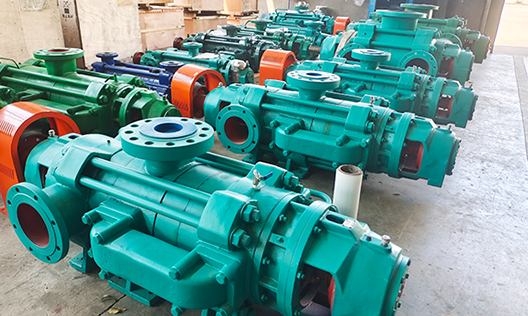
Puede fabricar 26 series de productos, incluyendo bombas de circulación para grandes centrales eléctricas, bombas de condensación para grandes centrales eléctricas, bombas petroquímicas, bombas multietapa, bombas de aguas residuales y lodo, bombas multietapa autoequilibradas, bombas de doble succión y única etapa tipo split, y bombas centrífugas de succión simple y única etapa.
-
Cases
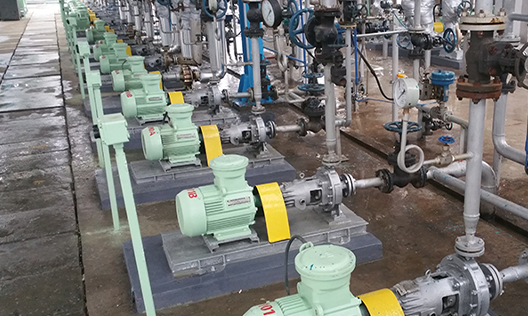
La elección de más de cientos de miles de clientes, cubriendo industrias como minería de carbón, metalurgia, química, energía, recursos hídricos, alimentos, municipalidades y protección ambiental, y exportando a Asia Sudeste, África, América y otros lugares.
-
Service
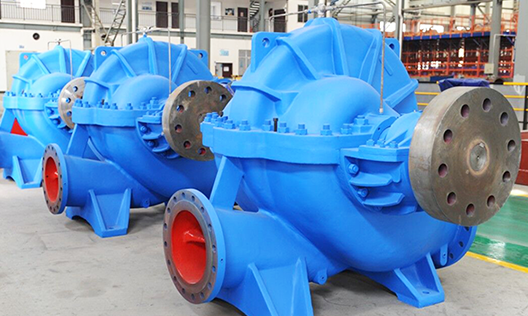
La empresa fue la primera en la industria en obtener las certificaciones internacionales del sistema de calidad ISO 9001:2008, del sistema de gestión ambiental ISO 14001 y del sistema de gestión de seguridad y salud ocupacional GB/T 28001, además de la certificación API 610 de la Asociación Estadounidense del Petróleo.
-
About us
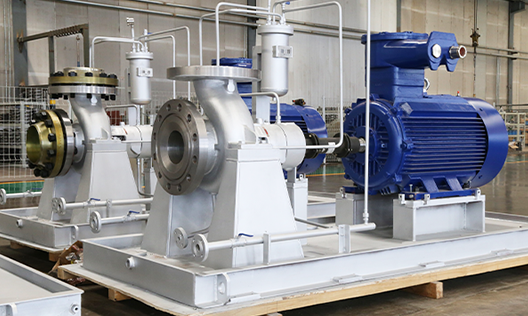
La empresa, fundada en 1989, es una empresa nacional de alta tecnología integral que integra diseño, investigación y desarrollo, fabricación y servicios; actualmente es una empresa clave en la industria china de bombas centrífugas y una de las grandes fábricas especializadas.
-

Blogs
Con productos innovadores, calidad excepcional y servicios integrales, buscamos la verdad y la pragmática, avanzamos con iniciativa, y nos esforzamos por lograr el objetivo de ser "la marca líder en el campo de aplicación de bombas centrífugas en el país"! Raigada en Hunan, orientada a todo el país y hacia el mundo!
Top 10 Applications for Advanced Pipeline Pumps in Various Industries
Publication Date:
2026-02-26
Author:
Source:


Top 10 Applications for Advanced Pipeline Pumps in Various Industries
Introduction to Advanced Pipeline Pumps
Pipeline pumps are crucial components in various industrial processes, facilitating the efficient movement of liquids and gases. Utilizing advanced technology, these pumps enhance operational efficiency, reduce energy consumption, and improve overall system reliability. Their applications span numerous industries, including water treatment, oil and gas, food and beverage, and chemical manufacturing.
In this article, we delve into the **top ten applications** for advanced pipeline pumps, demonstrating their significance and versatility.
1. Water and Wastewater Treatment
Advanced pipeline pumps play a vital role in water and wastewater treatment facilities. These pumps are engineered to handle varying flow rates and pressures, making them ideal for transporting water through filtration systems and sewage systems.
1.1 Efficient Liquid Transfer
In water treatment plants, pipeline pumps efficiently transfer raw water to filtration systems, ensuring a consistent supply of clean water. In wastewater treatment, they move sewage through various treatment stages, such as primary sedimentation and biological treatment.
1.2 Energy Efficiency and Sustainability
Modern pipeline pumps are designed for energy efficiency, reducing operational costs and carbon footprints. By optimizing pump performance, facilities can achieve significant energy savings while maintaining compliance with environmental regulations.
2. Oil and Gas Extraction
The oil and gas industry relies heavily on advanced pipeline pumps for the extraction and transportation of hydrocarbons. These pumps are designed to handle aggressive fluids and high pressures, ensuring safe and efficient operations.
2.1 Crude Oil Transportation
Pipeline pumps transport crude oil from extraction sites to refineries over long distances. Their ability to manage high viscosity and corrosive fluids makes them essential for uninterrupted oil flow.
2.2 Enhanced Recovery Techniques
In enhanced oil recovery (EOR) processes, advanced pipeline pumps inject water, steam, or chemicals into the reservoir to increase hydrocarbon extraction. These pumps must be robust and reliable to withstand harsh downhole conditions.
3. Chemical Processing
In the chemical manufacturing sector, pipeline pumps are crucial for the safe and efficient movement of various chemicals. These pumps must be resistant to corrosive substances and capable of handling a wide range of viscosities.
3.1 Bulk Chemical Transport
Pipeline pumps facilitate the transfer of bulk chemicals between storage tanks and production lines, ensuring a seamless flow throughout the manufacturing process.
3.2 Specialized Applications
In specialty chemical production, advanced pipeline pumps are used in processes such as polymerization, where precise flow control is essential. Their adaptability to various chemical properties enhances overall production efficiency.
4. Food and Beverage Processing
The food and beverage industry demands high standards of hygiene and safety. Advanced pipeline pumps meet these requirements while providing reliable performance.
4.1 Liquid Food Transportation
These pumps transport liquid food products, such as juices, sauces, and dairy products, from processing units to packaging stations. Their sanitary design prevents contamination, ensuring product safety.
4.2 Efficient Cleaning Processes
In addition to product transportation, advanced pipeline pumps are used in cleaning-in-place (CIP) systems, which are essential for maintaining hygiene in food production environments.
5. Pharmaceutical Manufacturing
In pharmaceuticals, precision and reliability are paramount. Advanced pipeline pumps are utilized in various stages of drug production and formulation.
5.1 Sterile Fluid Transfer
These pumps are designed to handle sterile fluids, ensuring that products remain free from contamination. They are crucial in processes like intravenous (IV) solution production and vaccine formulation.
5.2 Accurate Dosing and Mixing
Advanced pipeline pumps enable precise dosing and mixing of ingredients, allowing for consistent product quality and compliance with stringent regulatory requirements.
6. Mining and Mineral Processing
In mining operations, advanced pipeline pumps are essential for transporting slurry and other materials throughout the processing facility.
6.1 Slurry Transport
Pipeline pumps efficiently transport slurry, a mixture of solids and liquids, from mining sites to processing plants. Their robust design allows them to handle abrasive materials without compromising performance.
6.2 Tailings Management
Advanced pipeline pumps play a significant role in tailings management, facilitating the transportation of waste materials to tailings storage facilities, thus ensuring environmental compliance.
7. HVAC and Building Services
In the HVAC (heating, ventilation, and air conditioning) industry, advanced pipeline pumps are utilized to circulate fluids in various systems.
7.1 Chilled Water Distribution
These pumps are responsible for circulating chilled water throughout commercial buildings, ensuring efficient cooling and temperature control.
7.2 Hot Water Systems
In hot water applications, advanced pipeline pumps ensure consistent flow and pressure, enhancing comfort in residential and commercial spaces.
8. Renewable Energy Systems
As the world shifts towards renewable energy, advanced pipeline pumps are becoming increasingly important in solar and geothermal energy systems.
8.1 Solar Thermal Applications
In solar thermal systems, these pumps circulate heat transfer fluids, maximizing energy capture and efficiency.
8.2 Geothermal Heat Exchange
In geothermal systems, advanced pipeline pumps facilitate the movement of fluids through heat exchangers, enabling efficient energy transfer from the ground to buildings.
9. Marine and Maritime Operations
In the maritime industry, advanced pipeline pumps are utilized for various applications, including ballast water management and fuel transfer.
9.1 Ballast Water Management
These pumps are essential for managing ballast water in ships, ensuring compliance with international regulations aimed at protecting marine ecosystems.
9.2 Fuel Transfer and Bunkering
Advanced pipeline pumps facilitate the efficient transfer of fuel to vessels, optimizing bunkering operations and ensuring safe practices.
10. Fire Protection Systems
In fire protection, advanced pipeline pumps are critical for delivering water to extinguish fires.
10.1 Fire Sprinkler Systems
These pumps ensure reliable water supply in fire sprinkler systems, protecting commercial and industrial facilities from fire hazards.
10.2 Standpipe and Hose Systems
In standpipe and hose systems, advanced pipeline pumps provide the necessary pressure and flow to combat fires effectively.
Conclusion
Advanced pipeline pumps are indispensable in numerous industries, transforming the way fluids are transported and managed. Their applications range from water treatment to oil extraction, food processing, and beyond. As technology continues to evolve, the efficiency and effectiveness of these pumps will undoubtedly enhance operational performance across various sectors. Investing in advanced pipeline pump technology not only improves productivity but also contributes to sustainability and environmental stewardship. Understanding their diverse applications empowers industries to harness the full potential of these innovative systems, driving growth and efficiency in today’s competitive landscape.
FAQs
1. What are advanced pipeline pumps?
Advanced pipeline pumps are specialized devices designed for the efficient transfer of liquids and gases in various industrial applications. They optimize flow rates, reduce energy consumption, and enhance reliability.
2. How do pipeline pumps improve efficiency?
Pipeline pumps improve efficiency by providing consistent flow rates, reducing energy losses, and minimizing maintenance needs, thereby streamlining operations in industrial processes.
3. What industries benefit from pipeline pumps?
Industries such as water treatment, oil and gas, chemical manufacturing, food and beverage, pharmaceuticals, mining, HVAC, renewable energy, maritime, and fire protection benefit significantly from pipeline pumps.
4. Are advanced pipeline pumps environmentally friendly?
Yes, advanced pipeline pumps are designed to be energy-efficient, reducing carbon footprints and promoting sustainability in various industries.
5. What factors should be considered when selecting a pipeline pump?
When selecting a pipeline pump, consider factors such as fluid properties, flow rate requirements, pressure conditions, energy efficiency, and compatibility with existing systems.
Recommended Information


Related Products
Perhaps you also want to know?
Zoomlian Pump Industry
Address:No. 210, Environmental Protection Middle Road, Yuhua Economic Development Zone, Changsha City, Hunan Province China
All rights reserved © Changsha Zoomlian Pump Co., Ltd.
This website supports IPv4 IPv6 bidirectional access
Website construction:Zhongqi Power Changsha