

-
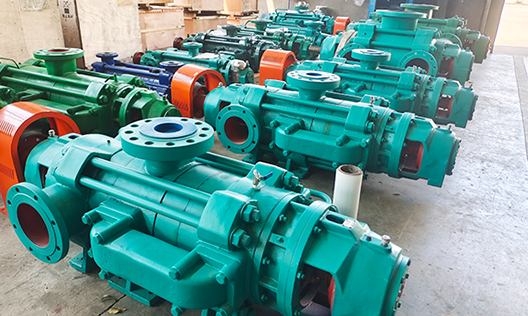
Products
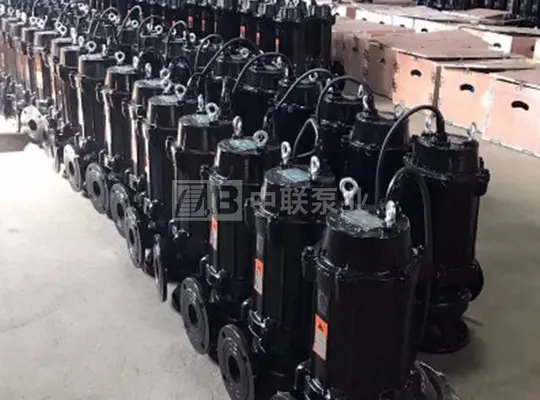
Puede fabricar 26 series de productos, incluyendo bombas de circulación para grandes centrales eléctricas, bombas de condensación para grandes centrales eléctricas, bombas petroquímicas, bombas multietapa, bombas de aguas residuales y lodo, bombas multietapa autoequilibradas, bombas de doble succión y única etapa tipo split, y bombas centrífugas de succión simple y única etapa.
-
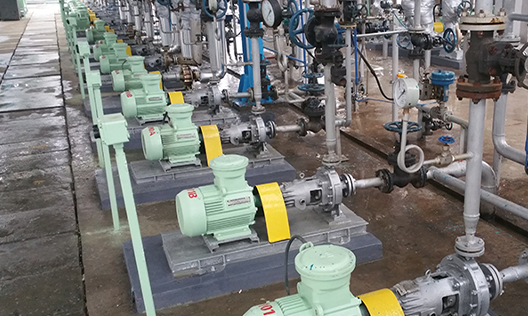
Cases
La elección de más de cientos de miles de clientes, cubriendo industrias como minería de carbón, metalurgia, química, energía, recursos hídricos, alimentos, municipalidades y protección ambiental, y exportando a Asia Sudeste, África, América y otros lugares.
-
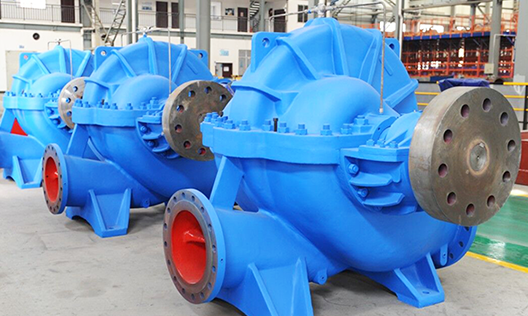
Service
La empresa fue la primera en la industria en obtener las certificaciones internacionales del sistema de calidad ISO 9001:2008, del sistema de gestión ambiental ISO 14001 y del sistema de gestión de seguridad y salud ocupacional GB/T 28001, además de la certificación API 610 de la Asociación Estadounidense del Petróleo.
-
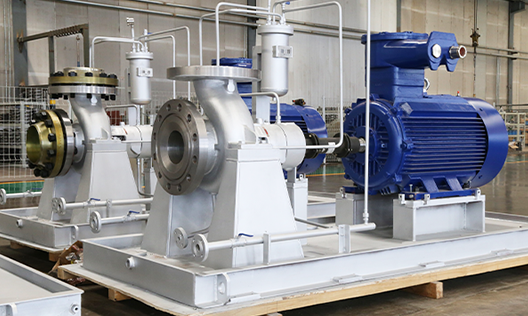
About us
La empresa, fundada en 1989, es una empresa nacional de alta tecnología integral que integra diseño, investigación y desarrollo, fabricación y servicios; actualmente es una empresa clave en la industria china de bombas centrífugas y una de las grandes fábricas especializadas.
-

Blogs
Con productos innovadores, calidad excepcional y servicios integrales, buscamos la verdad y la pragmática, avanzamos con iniciativa, y nos esforzamos por lograr el objetivo de ser "la marca líder en el campo de aplicación de bombas centrífugas en el país"! Raigada en Hunan, orientada a todo el país y hacia el mundo!
Choosing the Right Wholesale Horizontal Multistage Pump for Your Project: A Complete Guide
Publication Date:
2026-02-22
Author:
Source:


Choosing the Right Wholesale Horizontal Multistage Pump for Your Project
When embarking on a project that requires fluid transfer or pressure boosting, selecting the right equipment is crucial. For many industrial applications, a horizontal multistage pump is the go-to choice due to its versatility and efficiency. However, with numerous options available on the market, how do you determine the best fit for your specific needs? This detailed guide will equip you with the knowledge and insights to make an informed decision.
Understanding Horizontal Multistage Pumps
Before diving into the selection process, let’s clarify what a horizontal multistage pump is. These pumps are designed with multiple impellers, allowing them to generate high pressure while maintaining a relatively compact size. They are typically used in applications requiring the movement of water and other fluids in various industries, including agriculture, manufacturing, and municipal water systems.
The Mechanics of Horizontal Multistage Pumps
The operation of horizontal multistage pumps revolves around the principles of centrifugal force. Each impeller adds energy to the fluid being pumped, resulting in higher pressures and flow rates compared to single-stage pumps. This makes them particularly suitable for applications like boiler feed, irrigation, and pressure boosting in high-rise buildings.
Key Components of Horizontal Multistage Pumps
1. **Impellers**: The heart of the pump, responsible for imparting velocity to the fluid.
2. **Diffusers**: These components convert the kinetic energy from the impellers into pressure.
3. **Pump Casing**: Encloses the internal components and helps direct the flow.
4. **Shaft**: Connects the motor to the impellers, transferring energy efficiently.
5. **Bearings**: Support the rotating shaft, ensuring smooth operation.
Factors to Consider When Choosing a Horizontal Multistage Pump
Selecting the right horizontal multistage pump involves careful consideration of various factors. Here are the key aspects you should assess:
1. Application Requirements
Identify the specific needs of your project. Are you pumping water or chemicals? What is the required flow rate and pressure? Understanding these parameters will help narrow down your options significantly.
2. Flow Rate and Head Pressure
Flow rate, measured in gallons per minute (GPM) or liters per second (L/s), is a critical factor. Similarly, head pressure, measured in feet or meters, indicates how high the pump can raise the fluid. Ensure the pump performances meet or exceed your project’s requirements.
3. Material Compatibility
The construction material of the pump is vital, especially when dealing with corrosive substances. Common materials include cast iron, stainless steel, and plastic. Choose a material that withstands the chemical properties of the fluid being pumped.
4. Energy Efficiency
Opt for pumps with energy-efficient designs or standards. Look for features like variable frequency drives (VFDs) that can adjust the pump's speed based on demand, ultimately reducing energy consumption and operating costs.
5. Maintenance and Serviceability
Consider the ease of maintenance and availability of replacement parts. A pump that is easy to service will save both time and money in the long run. Check if the manufacturer provides reliable customer support.
6. Size and Installation Requirements
Evaluate the spatial context of your pump installation. Ensure that the dimensions of the pump fit within your designated space and that installation requirements are manageable.
Advantages of Wholesale Purchases
Purchasing a horizontal multistage pump wholesale can provide significant benefits. Here’s why you should consider it:
Cost Savings
Wholesale pricing typically offers discounts compared to retail prices. This can lead to substantial savings, particularly for large-scale projects that require multiple units.
Bulk Availability
When purchasing wholesale, you can usually secure a larger quantity of pumps, ensuring that you have enough units for your project without delays or shortages.
Consistent Quality
Reputable wholesale suppliers often provide products from trusted manufacturers, ensuring consistent quality across all units.
Where to Buy Wholesale Horizontal Multistage Pumps
Finding the right supplier is just as essential as selecting the pump itself. Here are some options to consider:
1. Manufacturer Direct
Purchasing directly from the manufacturer typically ensures the best pricing and access to customer support.
2. Authorized Distributors
Look for authorized distributors who specialize in industrial equipment. They often have a wide array of products and can provide valuable insights.
3. Online Marketplaces
Websites like Alibaba, Amazon Business, or specialized industrial equipment platforms provide vast selections and competitive pricing. Always check for reviews and ratings.
Common Mistakes to Avoid When Selecting a Pump
Making the wrong choice can lead to inefficiencies and increased costs. Here are common pitfalls to avoid:
1. Overlooking Specifications
Always refer to the technical specifications. Choosing a pump that does not meet your flow rate or pressure needs can lead to system failures.
2. Ignoring Long-Term Costs
While a lower upfront cost may seem attractive, consider long-term costs such as energy consumption, maintenance, and potential downtime.
3. Not Considering Future Needs
Choose a pump that not only meets current requirements but also has the capacity to adapt to future demands or changes in your operational scope.
FAQs About Horizontal Multistage Pumps
1. What is the primary use of horizontal multistage pumps?
Horizontal multistage pumps are primarily used for applications requiring high pressure and flow rates, such as irrigation, water supply systems, and industrial processes.
2. How do I determine the right flow rate for my project?
To determine the right flow rate, assess your system's requirements, including pipe sizes, distances, and the application's demands. Consulting with a pump specialist can provide valuable insights.
3. Are horizontal multistage pumps energy efficient?
Yes, many modern horizontal multistage pumps are designed for energy efficiency, featuring options like variable frequency drives to adjust to current demands.
4. What maintenance is required for horizontal multistage pumps?
Regular maintenance includes checking for leaks, ensuring proper lubrication, and inspecting wear components like seals and bearings. Following the manufacturer’s guidelines is essential.
5. Can I use a horizontal multistage pump for chemical applications?
Yes, but ensure the pump materials are compatible with the chemicals being pumped. Consult with the manufacturer for recommendations on suitable materials.
Conclusion
Choosing the right wholesale horizontal multistage pump for your project is a critical decision that impacts efficiency, costs, and project success. By considering factors such as application requirements, flow rates, material compatibility, and energy efficiency, you can make an informed choice. Moreover, understanding the advantages of wholesale purchases can lead to significant cost savings. Avoid common pitfalls and ensure your selected pump aligns with both current and future needs. With the right knowledge and resources, you can confidently select a pump that will serve your industrial applications effectively and reliably.
Previous:
Recommended Information



Related Products
Perhaps you also want to know?
Zoomlian Pump Industry
Address:No. 210, Environmental Protection Middle Road, Yuhua Economic Development Zone, Changsha City, Hunan Province China
All rights reserved © Changsha Zoomlian Pump Co., Ltd.
This website supports IPv4 IPv6 bidirectional access
Website construction:Zhongqi Power Changsha