

-
Products
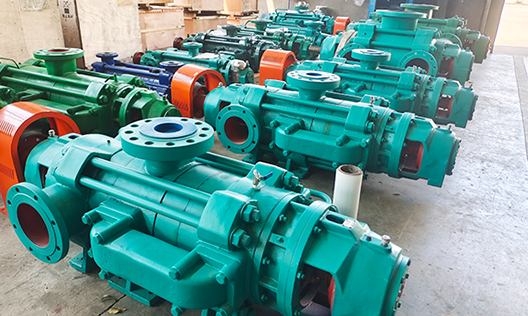
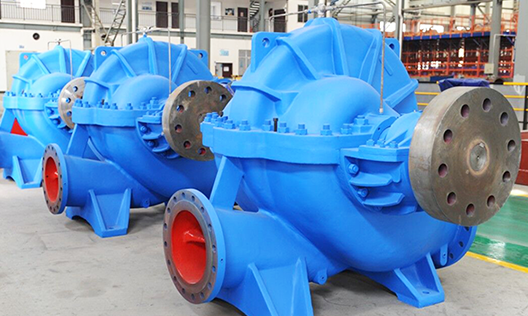
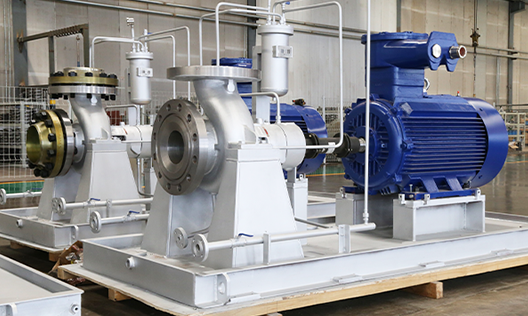
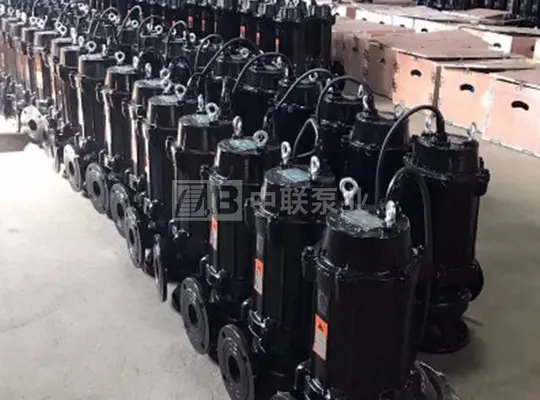
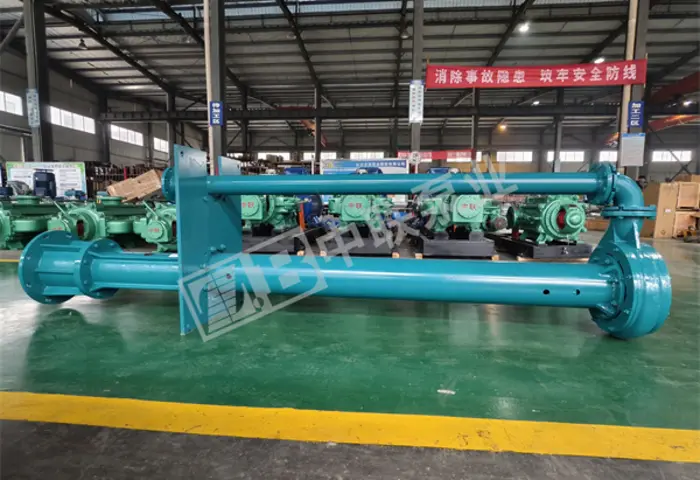
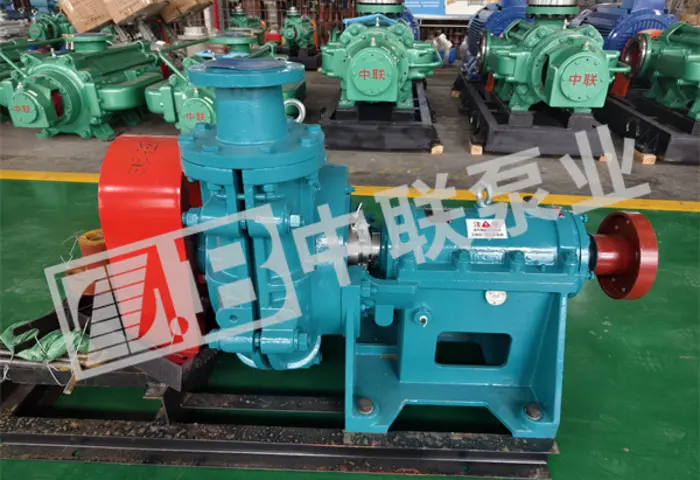
Puede fabricar 26 series de productos, incluyendo bombas de circulación para grandes centrales eléctricas, bombas de condensación para grandes centrales eléctricas, bombas petroquímicas, bombas multietapa, bombas de aguas residuales y lodo, bombas multietapa autoequilibradas, bombas de doble succión y única etapa tipo split, y bombas centrífugas de succión simple y única etapa.
-
Cases
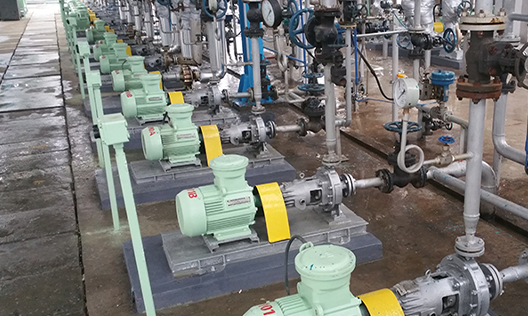
La elección de más de cientos de miles de clientes, cubriendo industrias como minería de carbón, metalurgia, química, energía, recursos hídricos, alimentos, municipalidades y protección ambiental, y exportando a Asia Sudeste, África, América y otros lugares.
-
Service
La empresa fue la primera en la industria en obtener las certificaciones internacionales del sistema de calidad ISO 9001:2008, del sistema de gestión ambiental ISO 14001 y del sistema de gestión de seguridad y salud ocupacional GB/T 28001, además de la certificación API 610 de la Asociación Estadounidense del Petróleo.
-
About us
La empresa, fundada en 1989, es una empresa nacional de alta tecnología integral que integra diseño, investigación y desarrollo, fabricación y servicios; actualmente es una empresa clave en la industria china de bombas centrífugas y una de las grandes fábricas especializadas.
-

Blogs
Con productos innovadores, calidad excepcional y servicios integrales, buscamos la verdad y la pragmática, avanzamos con iniciativa, y nos esforzamos por lograr el objetivo de ser "la marca líder en el campo de aplicación de bombas centrífugas en el país"! Raigada en Hunan, orientada a todo el país y hacia el mundo!
Solutions and preventive measures for water leakage at the joint between the horizontal multistage centrifugal pump cover and pump body
Publication Date:
2025-11-07
Author:
Source:


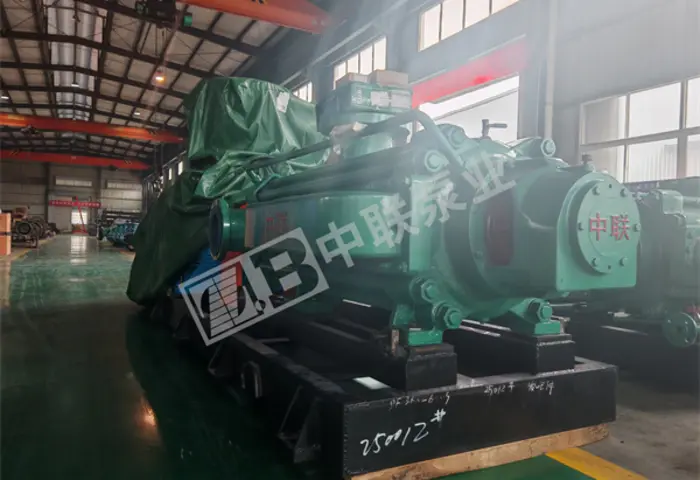
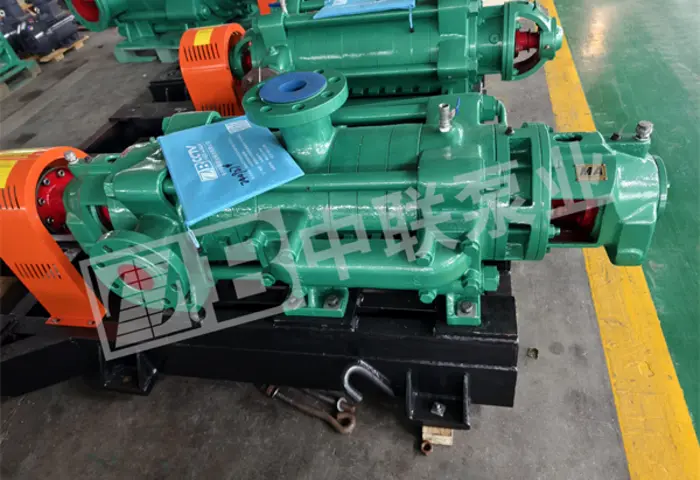
Horizontal multistage centrifugal pumps are widely used in modern industrial applications such as water treatment, chemical transportation, and mine drainage. However, after prolonged operation, leakage at the joint between the pump cover and pump body becomes a common issue. Such leaks not only lead to losses of the conveyed medium but also directly reduce the pump's volumetric efficiency—under severe leakage conditions, flow rates can even drop significantly. 12%-18% ), it is more likely to cause short-circuit failures due to moisture eroding the motor windings, or lead to slippery ground conditions that increase the risk of people slipping. Therefore, any water leakage discovered should be promptly and properly addressed. In this article, the centrifugal pump manufacturer Changsha Zoomlion Pump Industry Technical experts share an article detailing solutions and preventive measures for water leakage at the joint between the cover and pump body of horizontal multistage centrifugal pumps, intended as a reference for colleagues in user organizations.

I. A Professional Diagnostic Method for Pump Cover Leaks
The causes of pump cover leakage require precise troubleshooting, taking into account operating conditions and equipment status. Common issues and diagnostic points are outlined below:
Seal aging and failure: If water leakage is concentrated at the sealing groove between the pump cover and the pump body, accompanied by deformation or cracking of the seal, it usually indicates that the seal—such as O O-rings and asbestos gaskets have aged and hardened due to prolonged exposure to media—especially high temperatures and corrosive substances. After disassembly, you can inspect the elasticity of the seals and measure the cross-sectional dimensions with calipers. If these dimensions have decreased compared to the original specifications, 5% Above, this can be determined to be caused by aging.
Bolt loosening or uneven stress: If the water leakage appears as pinpoint spots around the bolts, or if the leakage worsens with pump vibration, use a torque wrench to check the tightening torque of the bolts. In some cases, the bolts were not tightened in a diagonal sequence during installation, resulting in uneven pressure on the sealing surfaces and creating gaps.
Pump body / Pump cover casting defects: If the leakage location is consistent and accompanied by persistent traces of medium seepage, it could indicate residual sand holes, shrinkage cavities, or other defects from the casting process. These can be detected using the kerosene penetration method: Apply kerosene to the inner side of the pump cover, then wipe the outer side dry and observe for any signs of leakage. 30 Minutes—if oil spots appear, the defect location can be pinpointed.
II. Emergency Steps for Water Leaks
Before identifying the exact cause of the leak, temporary measures must first be taken to control the leakage and prevent the problem from escalating.
First, close the pump’s inlet and outlet valves and disconnect the power supply. Once the pump has fully depressurized and cooled down to room temperature (to prevent burns from hot media), use a clean cloth to wipe the leak area and remove any surface contaminants.
If the leakage is minor, you can use oil-resistant and waterproof tape (such as butyl rubber tape) to wrap around the joint between the pump cover and the pump body, ensuring overlapping during the wrapping process. 50% Above, ensure a tight seal; if the leakage is significant, apply an industrial-grade quick-sealing compound (such as epoxy-based sealant). Before applying, lightly sand the sealing surface to enhance adhesion. Allow the product to cure according to the manufacturer's instructions—typically 2-4 Hours);
After emergency handling, it is necessary to reduce the pump's operational load (e.g., adjust the flow rate to 80% of the rated value). 70% (As follows), and check for leaks every hour to buy time for a thorough repair later on.
III. Targeted Repair Solutions (Categorized by Cause)
Seal Replacement: Before replacing, verify the seal material (choose nitrile rubber for clear water applications, and fluoroelastomer for corrosive media) and ensure its dimensions—specifically the inner diameter and cross-sectional diameter—match the sealing groove. During installation, clean the sealing groove with anhydrous ethanol to remove any residual oil or aged sealant. Carefully fit the new seal into the groove, making sure it is free from twisting or misalignment. Finally, tighten the bolts in a diagonal sequence.
Bolt Tightening and Replacement: Use a torque wrench to retighten the bolts according to the specified torque in the instruction manual. If any bolt is found to be stripped or its threads damaged, it must be replaced with a high-strength bolt of the same specification (typically… 8.8 (At or above this level), after replacement, the torque must be rechecked to prevent over-tightening, which could lead to deformation of the pump cover.
Cast defect repair: If the defect is small (diameter ≤ 5mm ), epoxy resin repair agents can be used (such as E-44 Type) Fill the area and, after curing, smooth it out with sandpaper. If the defect is large or located in a pressure-bearing part, it must be repaired by a professional using either argon arc welding (for stainless steel pump covers) or cast iron electrode welding (for cast iron pump covers). After repair, a hydrostatic pressure test must be conducted—at a test pressure equal to the rated working pressure. 1.2 Multiply, maintain pressure 30 A leak-free condition within one minute is considered acceptable.
4. Building a Long-Lasting Prevention System
Regular inspection mechanism: It is recommended to inspect the pump cover sealing area monthly, paying close attention to any signs of medium leakage or loose bolts. Additionally, disassemble and examine the condition of the seals every quarter, replacing those nearing the end of their service life in advance (typically, seal components have a lifespan of about... 6-12 Months, adjusted according to media conditions);
Standardized Maintenance Procedures: Follow the manufacturer’s manual strictly for maintenance tasks, such as cleaning sealing surfaces after each disassembly and applying specialized sealing grease (e.g., silicone-based sealant). Avoid scraping the sealing surfaces with hard objects. When replacing bolts, always use spring washers to prevent loosening caused by operational vibrations.
Operator Training: Ensure operators master the startup procedure—first open the inlet valve, then start the motor, and finally open the outlet valve—to prevent no-load starts or overpressure operation (as overpressure can significantly increase stress on sealing surfaces). When shutting down, first close the outlet valve, then stop the motor, minimizing pump body shock.
V. Maintenance Safety Guidelines
All maintenance operations must begin with the power supply being disconnected, and a "Do Not Close – Under Maintenance" sign must be hung on the distribution box to prevent accidental startup. When handling pump bodies exposed to high-temperature media, wear heat-resistant gloves; and when dealing with corrosive media, always don protective acid- and alkali-resistant clothing.
If you encounter the following complex situation, please contact a professional repair team: The length of the pump cover crack exceeds 50mm • The sealing surface is severely deformed (flatness error exceeds) 0.1mm/m )、After repair, the water pressure test failed; avoid self-repairing to prevent secondary damage to the pump body.
In summary, leaks from the pump cover of a horizontal multistage centrifugal pump should follow the "diagnosis" process. - Emergency - Repair - The "prevention" closed-loop management logic requires not only precisely identifying issues through professional methods but also emphasizing long-term maintenance and proactive prevention. Proper handling not only restores pump efficiency but also extends the overall service life of the equipment, ensuring stable operation for industrial production. For other technical questions regarding horizontal multistage centrifugal pumps, feel free to contact 15616442288 (WeChat account shared).
Recommended Information



Related Products
Perhaps you also want to know?
Zoomlian Pump Industry
Address:No. 210, Environmental Protection Middle Road, Yuhua Economic Development Zone, Changsha City, Hunan Province China
All rights reserved © Changsha Zoomlian Pump Co., Ltd.
This website supports IPv4 IPv6 bidirectional access
Website construction:Zhongqi Power Changsha