

-
Products
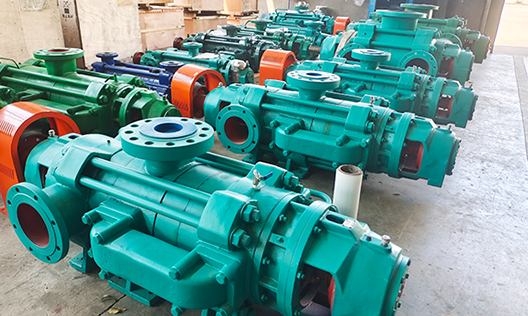
Puede fabricar 26 series de productos, incluyendo bombas de circulación para grandes centrales eléctricas, bombas de condensación para grandes centrales eléctricas, bombas petroquímicas, bombas multietapa, bombas de aguas residuales y lodo, bombas multietapa autoequilibradas, bombas de doble succión y única etapa tipo split, y bombas centrífugas de succión simple y única etapa.
-
Cases
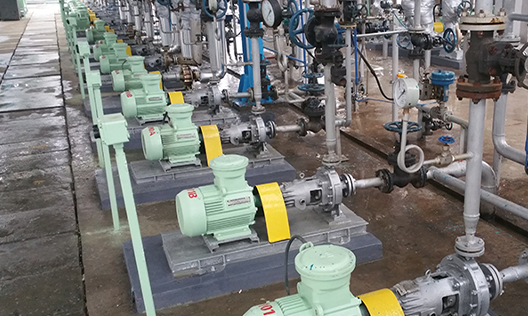
La elección de más de cientos de miles de clientes, cubriendo industrias como minería de carbón, metalurgia, química, energía, recursos hídricos, alimentos, municipalidades y protección ambiental, y exportando a Asia Sudeste, África, América y otros lugares.
-
Service
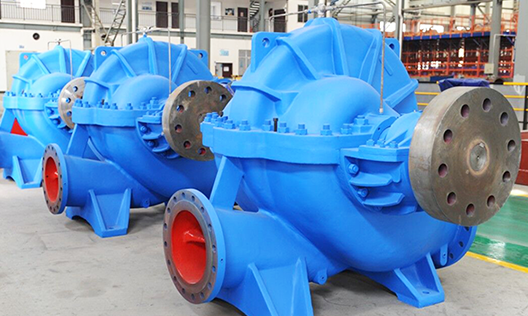
La empresa fue la primera en la industria en obtener las certificaciones internacionales del sistema de calidad ISO 9001:2008, del sistema de gestión ambiental ISO 14001 y del sistema de gestión de seguridad y salud ocupacional GB/T 28001, además de la certificación API 610 de la Asociación Estadounidense del Petróleo.
-
About us
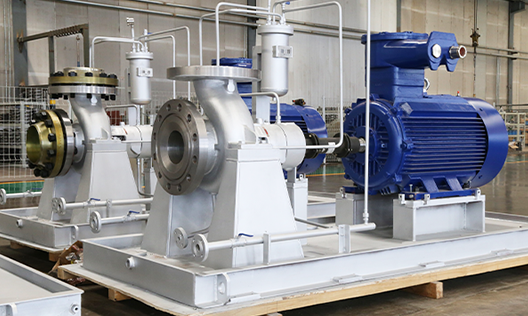
La empresa, fundada en 1989, es una empresa nacional de alta tecnología integral que integra diseño, investigación y desarrollo, fabricación y servicios; actualmente es una empresa clave en la industria china de bombas centrífugas y una de las grandes fábricas especializadas.
-

Blogs
Con productos innovadores, calidad excepcional y servicios integrales, buscamos la verdad y la pragmática, avanzamos con iniciativa, y nos esforzamos por lograr el objetivo de ser "la marca líder en el campo de aplicación de bombas centrífugas en el país"! Raigada en Hunan, orientada a todo el país y hacia el mundo!
How do you adjust the water pressure of a multi-stage pump?
Publication Date:
2025-11-06
Author:
Source:


Whether it's the circulation system of an industrial production line or large-scale water supply scenarios, unstable water pressure in multi-stage pumps can be truly frustrating—too little pressure leaves equipment running weakly, while excessive pressure not only wastes electricity but also easily wears down components. In fact, adjusting the water pressure of a multi-stage pump is actually quite simple: just identify the right method and follow the steps carefully, and you can handle it yourself, ensuring the pump continues to operate efficiently. In this article, the multi-stage pump manufacturer Changsha Zhonglian Pump Industry The technician will show you how to adjust the water pressure of the multi-stage pump.
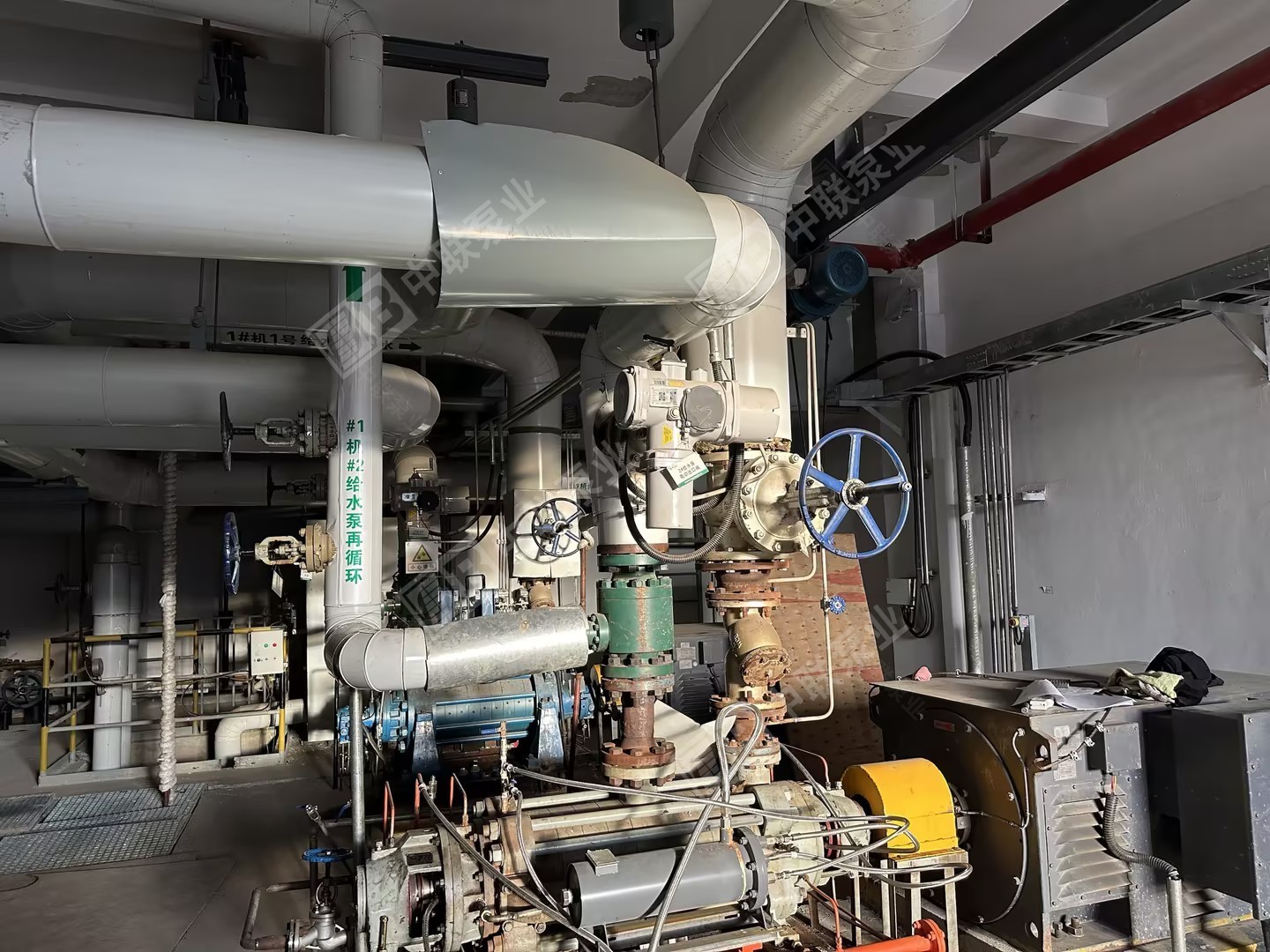
First, make sure you’re properly prepared for safety—this step absolutely cannot be skipped! Start by turning off the pump’s power supply, and only proceed once the pump has completely stopped and all residual pressure has dissipated. This will prevent you from being sprayed by water or even getting electrocuted during adjustments. Additionally, take a quick look at your multistage pump’s user manual beforehand, noting the location of your device’s pressure regulator valve as well as its maximum pressure rating. Don’t start twisting things randomly, or you might end up damaging the equipment.
Then locate the right "adjustment switch"—the pressure regulating valve. In most multistage pumps, this valve is installed on the inlet and outlet pipelines; some feature a knob-style design with a handle, while others are equipped with bolt-adjustment mechanisms—both are easy to identify. When making adjustments, don’t rush—proceed step by step: if you want to increase the water pressure, slowly turn the valve clockwise; if you’d like to decrease it, twist counterclockwise—make only small adjustments each time. 1/4 Just stop when you reach the circle—don’t turn it all the way at once.
Finally, it’s time for the machine test and verification. Turn on the power to start the pump, then closely monitor the water pressure gauge on the system—make sure the reading meets your required standard. If the pressure hasn’t yet reached the target level, make small, incremental adjustments until the water pressure stabilizes at the set value. Here’s an important note: don’t blindly aim for excessively high water pressure—just ensure it’s sufficient for your needs. Otherwise, not only will it waste electricity, but it’ll also increase the pump’s workload, ultimately shortening its lifespan.
When making adjustments, there are a few small details to keep in mind: Avoid applying excessive force when turning the valve during operation to prevent stripping the threads. If the water pressure remains unstable after adjustment, check whether the filter is clogged or if the pump is making unusual noises—address any issues promptly by shutting down the system for inspection. Normally, every 1-2 You can also check the water pressure once every month and make minor adjustments if there’s any deviation, ensuring the multi-stage pump consistently operates in energy-saving mode. Additionally, it’s important to note that if the task involves large-scale industrial systems or high-pressure scenarios, it’s best to leave it to professional technicians if you’re not confident—after all, safety comes first.
Recommended Information


Related Products
Perhaps you also want to know?
Zoomlian Pump Industry
Address:No. 210, Environmental Protection Middle Road, Yuhua Economic Development Zone, Changsha City, Hunan Province China
All rights reserved © Changsha Zoomlian Pump Co., Ltd.
This website supports IPv4 IPv6 bidirectional access
Website construction:Zhongqi Power Changsha