

-
Products
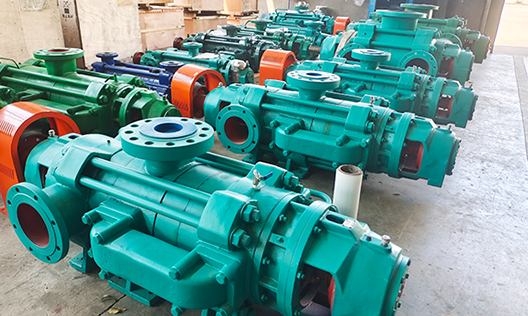
Puede fabricar 26 series de productos, incluyendo bombas de circulación para grandes centrales eléctricas, bombas de condensación para grandes centrales eléctricas, bombas petroquímicas, bombas multietapa, bombas de aguas residuales y lodo, bombas multietapa autoequilibradas, bombas de doble succión y única etapa tipo split, y bombas centrífugas de succión simple y única etapa.
-
Cases
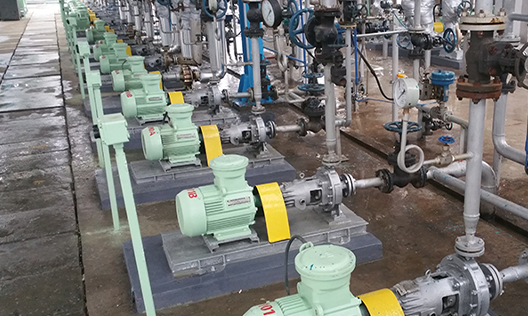
La elección de más de cientos de miles de clientes, cubriendo industrias como minería de carbón, metalurgia, química, energía, recursos hídricos, alimentos, municipalidades y protección ambiental, y exportando a Asia Sudeste, África, América y otros lugares.
-
Service
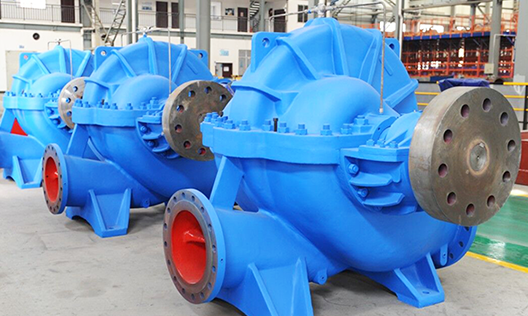
La empresa fue la primera en la industria en obtener las certificaciones internacionales del sistema de calidad ISO 9001:2008, del sistema de gestión ambiental ISO 14001 y del sistema de gestión de seguridad y salud ocupacional GB/T 28001, además de la certificación API 610 de la Asociación Estadounidense del Petróleo.
-
About us
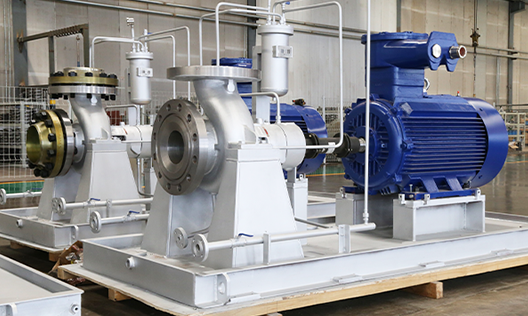
La empresa, fundada en 1989, es una empresa nacional de alta tecnología integral que integra diseño, investigación y desarrollo, fabricación y servicios; actualmente es una empresa clave en la industria china de bombas centrífugas y una de las grandes fábricas especializadas.
-

Blogs
Con productos innovadores, calidad excepcional y servicios integrales, buscamos la verdad y la pragmática, avanzamos con iniciativa, y nos esforzamos por lograr el objetivo de ser "la marca líder en el campo de aplicación de bombas centrífugas en el país"! Raigada en Hunan, orientada a todo el país y hacia el mundo!
The Benefits of Choosing the Right Pipeline Pump for Your Needs
Publication Date:
2026-10-02
Author:
Source:


The Benefits of Choosing the Right Pipeline Pump for Your Needs
Pipeline pumps are essential components in various industrial applications, playing a crucial role in the transportation of fluids through pipelines. Selecting the appropriate pipeline pump can significantly impact the efficiency, reliability, and cost-effectiveness of your operations. In this article, we will explore the myriad benefits of choosing the right pipeline pump tailored to your specific needs and requirements.
Table of Contents
1. Understanding Pipeline Pumps
2. Key Benefits of the Right Pipeline Pump
2.1 Enhanced Efficiency and Performance
2.2 Improved Reliability and Durability
2.3 Cost-Effectiveness in the Long Run
3. Factors to Consider When Choosing a Pipeline Pump
3.1 Fluid Characteristics
3.2 Pump Type and Design
3.3 Required Flow Rate and Pressure
3.4 Energy Efficiency Ratings
4. Common Types of Pipeline Pumps
4.1 Centrifugal Pumps
4.2 Positive Displacement Pumps
5. Maintenance and Care for Pipeline Pumps
6. Frequently Asked Questions (FAQs)
7. Conclusion
1. Understanding Pipeline Pumps
Pipeline pumps are designed to move liquids through a system of pipes. They are vital in diverse industries, including water treatment, oil and gas, chemical production, and food processing. By understanding the fundamental operations of pipeline pumps, we can appreciate the importance of selecting the right type for our specific applications.
The selection process involves considering several factors, including the nature of the fluid being transported, the required flow rate, and the specific conditions under which the pump will operate. Each of these factors influences the pump's performance and, ultimately, the success of your industrial operations.
2. Key Benefits of the Right Pipeline Pump
Choosing the right pipeline pump offers numerous advantages that can enhance performance and reduce operational costs. Below, we delve into some of the primary benefits.
2.1 Enhanced Efficiency and Performance
One of the most significant benefits of selecting the right pipeline pump is the **enhanced efficiency** it brings to your operations. An appropriately matched pump ensures that fluid is transported smoothly and efficiently, minimizing energy consumption and reducing the risk of pump failure. Efficient pumps can also help regulate the flow and pressure, promoting optimal system performance and prolonging equipment lifespan.
2.2 Improved Reliability and Durability
When you choose a pump specifically designed for your application, you significantly increase **reliability** and **durability**. Properly selected pumps are built to handle the intended workload, reducing the chances of breakdowns and maintenance issues. This reliability translates into less downtime and improved productivity, ultimately benefiting your bottom line.
2.3 Cost-Effectiveness in the Long Run
While the initial investment in a quality pipeline pump may be higher than that of a generic model, the long-term savings can be substantial. The right pump can lead to lower operational costs through energy savings, reduced maintenance needs, and enhanced system performance. In addition, a durable pump often has a longer service life, resulting in fewer replacements and lower overall capital expenditures.
3. Factors to Consider When Choosing a Pipeline Pump
To make an informed decision regarding the selection of a pipeline pump, it is essential to consider several key factors that influence a pump's performance.
3.1 Fluid Characteristics
Understanding the fluid characteristics is paramount when selecting a pipeline pump. Factors such as viscosity, temperature, and chemical composition can affect pump performance and selection. For example, abrasive or corrosive fluids may require specialized pumps designed to handle such conditions.
3.2 Pump Type and Design
Different pump types, such as **centrifugal** or **positive displacement**, have unique operational principles and are suited for different applications. Centrifugal pumps are typically used for low-viscosity fluids, while positive displacement pumps are ideal for higher viscosity applications. Understanding your specific needs will guide you in choosing the right pump type.
3.3 Required Flow Rate and Pressure
Calculating the desired flow rate and pressure is critical. These parameters define how much fluid needs to be moved and at what pressure, directly influencing the type and size of the pump required. Ensuring that the selected pump meets these specifications helps avoid performance issues and operational inefficiencies.
3.4 Energy Efficiency Ratings
Energy efficiency is a crucial consideration, especially in today’s cost-conscious industrial environment. Selecting pumps with high-energy efficiency ratings can lead to significant savings over time. Look for models that offer energy-efficient designs and technologies to minimize operating costs.
4. Common Types of Pipeline Pumps
Understanding the various types of pipeline pumps available can aid in making an informed choice. Below, we explore two of the most common types.
4.1 Centrifugal Pumps
Centrifugal pumps operate by converting rotational energy into energy that moves fluid through the pump. They are ideal for applications requiring high flow rates and low viscosity fluids. Their simple design and ease of maintenance make them a popular choice in many industrial settings.
4.2 Positive Displacement Pumps
Positive displacement pumps move fluid by trapping a fixed amount and forcing it into the discharge pipe. These pumps are suitable for high-viscosity and high-pressure applications, making them ideal for industries such as oil and gas. Understanding the specific requirements of your operation will help determine whether a positive displacement pump is the right choice.
5. Maintenance and Care for Pipeline Pumps
Proper maintenance is key to ensuring the longevity and efficiency of pipeline pumps. Regular inspections and timely servicing can prevent unexpected breakdowns and costly repairs. Maintenance tasks may include:
- Checking for leaks
- Inspecting seals and fittings
- Monitoring power consumption
- Cleaning filters and screens
- Lubricating moving parts
Implementing a preventive maintenance schedule can help keep your pipeline pumps in optimal condition and prolong their service life.
6. Frequently Asked Questions (FAQs)
6.1 What is the best type of pipeline pump for my application?
The best type of pipeline pump depends on various factors, including fluid characteristics, flow rate, and pressure requirements. Consult with a pump specialist to find the most suitable option for your needs.
6.2 How do I determine the right pump size?
To determine the right pump size, consider the required flow rate and pressure. It’s essential to calculate these parameters accurately to avoid performance issues.
6.3 How often should I maintain my pipeline pump?
Regular maintenance should be performed based on manufacturer recommendations, typically every few months, depending on usage and operating conditions.
6.4 Can I use a single pump for multiple applications?
While some pumps are versatile, it’s generally best to use pumps specifically designed for each application to ensure optimal performance and efficiency.
6.5 What are the signs of a failing pipeline pump?
Common signs of a failing pipeline pump include unusual noises, vibrations, leaks, and fluctuations in flow rate or pressure. If you notice these issues, it’s advisable to conduct a thorough inspection.
7. Conclusion
Selecting the right pipeline pump is crucial for the success of any industrial operation. By considering factors such as fluid characteristics, pump type, and energy efficiency, you can choose a pump that enhances efficiency, reliability, and cost-effectiveness. Investing time in understanding your specific needs will not only lead to improved performance but also ensure the longevity and durability of your equipment. With the right pipeline pump, your industrial processes can achieve new heights of efficiency and productivity.
Previous:
Recommended Information


Related Products
Perhaps you also want to know?
Zoomlian Pump Industry
Address:No. 210, Environmental Protection Middle Road, Yuhua Economic Development Zone, Changsha City, Hunan Province China
All rights reserved © Changsha Zoomlian Pump Co., Ltd.
This website supports IPv4 IPv6 bidirectional access
Website construction:Zhongqi Power Changsha