

-
Products
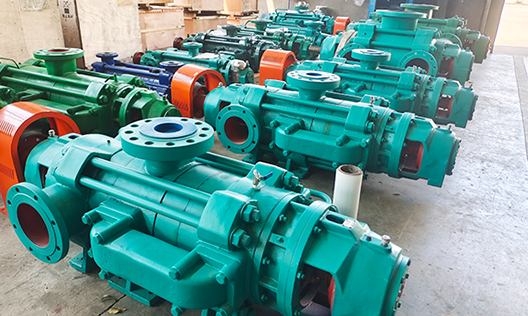
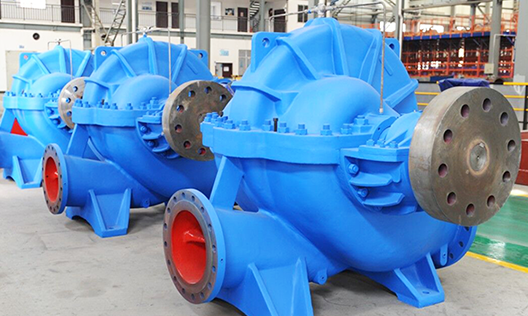
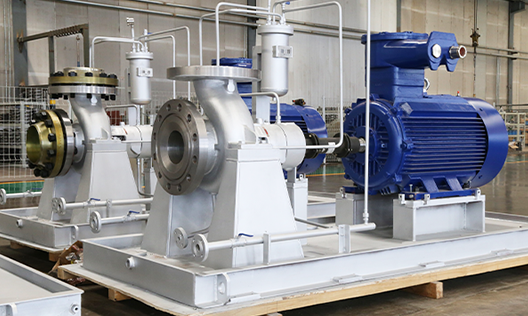
Puede fabricar 26 series de productos, incluyendo bombas de circulación para grandes centrales eléctricas, bombas de condensación para grandes centrales eléctricas, bombas petroquímicas, bombas multietapa, bombas de aguas residuales y lodo, bombas multietapa autoequilibradas, bombas de doble succión y única etapa tipo split, y bombas centrífugas de succión simple y única etapa.
-
Cases
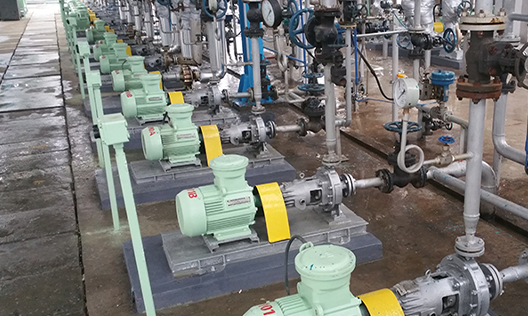
La elección de más de cientos de miles de clientes, cubriendo industrias como minería de carbón, metalurgia, química, energía, recursos hídricos, alimentos, municipalidades y protección ambiental, y exportando a Asia Sudeste, África, América y otros lugares.
-
Service
La empresa fue la primera en la industria en obtener las certificaciones internacionales del sistema de calidad ISO 9001:2008, del sistema de gestión ambiental ISO 14001 y del sistema de gestión de seguridad y salud ocupacional GB/T 28001, además de la certificación API 610 de la Asociación Estadounidense del Petróleo.
-
About us
La empresa, fundada en 1989, es una empresa nacional de alta tecnología integral que integra diseño, investigación y desarrollo, fabricación y servicios; actualmente es una empresa clave en la industria china de bombas centrífugas y una de las grandes fábricas especializadas.
-

Blogs
Con productos innovadores, calidad excepcional y servicios integrales, buscamos la verdad y la pragmática, avanzamos con iniciativa, y nos esforzamos por lograr el objetivo de ser "la marca líder en el campo de aplicación de bombas centrífugas en el país"! Raigada en Hunan, orientada a todo el país y hacia el mundo!
The Importance of OEM Boiler Feed Pumps in Steam Generation: A Comprehensive Guide
Publication Date:
2026-04-29
Author:
Source:


The Importance of OEM Boiler Feed Pumps in Steam Generation
Introduction to Boiler Feed Pumps
In industrial settings, the significance of efficient steam generation cannot be overstated. Boiler feed pumps are essential for this process, delivering water to the boiler and ensuring optimal performance. Among the various options available, **OEM (Original Equipment Manufacturer) boiler feed pumps** stand out due to their reliability and compatibility with specific systems. This article delves into the importance of OEM boiler feed pumps and their integral role in steam generation.
Understanding Boiler Feed Pumps
What Are Boiler Feed Pumps?
Boiler feed pumps are specialized pumps designed to supply water to a steam boiler. They operate under significant pressure to ensure that the water reaches the boiler at the required temperature. The primary function of these pumps is to maintain the necessary water level for steam generation, which is crucial for efficiency and safety.
Types of Boiler Feed Pumps
There are several types of boiler feed pumps, but the most common include:
- **Centrifugal Pumps**: These are widely used due to their ability to handle large volumes of water. They are efficient and offer a steady flow rate, making them ideal for steam generation.
- **Reciprocating Pumps**: Although less common for large-scale applications, reciprocating pumps can provide precise control over water delivery and are suitable for specific industrial scenarios.
- **Multistage Pumps**: These are designed for high-pressure applications and are often used when water needs to be delivered to high-pressure boilers.
The Benefits of Using OEM Boiler Feed Pumps
1. Enhanced Compatibility
One of the primary advantages of OEM boiler feed pumps is their tailored design. These pumps are specifically engineered to fit seamlessly with the associated boiler systems, ensuring optimal performance. This compatibility translates to fewer operational issues and extended equipment lifespans.
2. Improved Efficiency
OEM pumps are designed with the latest technology, allowing for improved energy efficiency. When integrated with a boiler system, these pumps can significantly reduce energy consumption, leading to lower operational costs. This efficiency is critical in large-scale steam generation processes, where even slight improvements can yield substantial savings.
3. Reliability and Safety
Safety in industrial operations is paramount. OEM boiler feed pumps undergo rigorous testing to meet stringent safety standards. Their robust construction and reliable performance minimize the risk of failures that could lead to hazardous situations.
4. Technical Support and Warranty
Choosing OEM products often comes with the advantage of comprehensive technical support and warranty options. Manufacturers provide guidance on installation, maintenance, and troubleshooting, ensuring that any potential issues can be addressed swiftly and effectively.
Key Considerations When Selecting OEM Boiler Feed Pumps
1. System Requirements
Before selecting an OEM boiler feed pump, it is essential to understand the specific requirements of your steam generation system. Factors such as pressure, flow rate, and temperature must be considered to ensure the chosen pump can meet the operational demands.
2. Maintenance and Serviceability
Ease of maintenance is another critical factor. OEM pumps are often designed for straightforward servicing, which can extend their lifespan and maintain efficiency. Assess the availability of replacement parts and the reputation of the manufacturer regarding support and service.
3. Cost vs. Quality
While it may be tempting to opt for lower-cost alternatives, investing in an OEM boiler feed pump is often more cost-effective in the long run. The reliability, efficiency, and support provided by OEM manufacturers can outweigh initial savings from cheaper options.
Installation and Maintenance of OEM Boiler Feed Pumps
Installation Best Practices
Proper installation of OEM boiler feed pumps is critical for optimal performance. Key considerations during installation include:
- **Alignment**: Ensure the pump is correctly aligned with the motor to prevent excessive wear.
- **Vibration Monitoring**: Install vibration monitoring devices to identify potential issues early.
- **Piping Configuration**: The piping should be designed to minimize bends and restrictions, allowing for smooth water flow.
Maintenance Tips for Longevity
Regular maintenance is vital to ensure the longevity of your OEM boiler feed pump. Here are some essential tips:
- **Routine Inspections**: Regularly check for leaks, unusual noises, or vibration that may indicate a problem.
- **Lubrication**: Ensure that all moving parts are adequately lubricated to reduce friction and wear.
- **Monitor Performance**: Keep an eye on pump performance metrics such as flow rate and pressure to identify any deviations from normal operation.
Common Issues with Boiler Feed Pumps
1. Cavitation
Cavitation occurs when vapor bubbles form in the pump due to low pressure. This can lead to damage and reduced performance. To prevent cavitation, ensure that the pump operates within its specified flow and pressure limits.
2. Overheating
If the pump overheats, it can lead to severe damage. Regularly check cooling systems and ensure that the pump operates within the recommended temperature range.
3. Mechanical Seal Failure
Mechanical seals are crucial for preventing leaks. Regular inspection and timely replacement of seals can help maintain pump efficiency and prevent leaks.
The Role of OEM Boiler Feed Pumps in Sustainability
As industries look towards more sustainable practices, OEM boiler feed pumps contribute significantly to efficiency and energy conservation. By reducing energy consumption and optimizing water use, these pumps play a crucial role in lowering the environmental footprint of steam generation processes.
Energy Efficiency Initiatives
Many manufacturers of OEM boiler feed pumps are now focusing on energy-efficient designs. These innovations contribute to reduced emissions and lower operational costs, aligning with global sustainability goals.
FAQs About OEM Boiler Feed Pumps
1. What is the difference between OEM and aftermarket boiler feed pumps?
OEM boiler feed pumps are specifically designed for particular systems, ensuring compatibility and efficiency, while aftermarket pumps may not meet the exact specifications required for optimal operation.
2. How often should I perform maintenance on my OEM boiler feed pump?
Maintenance frequency depends on usage, but a good rule of thumb is to conduct inspections at least once a month and more frequently during heavy usage periods.
3. Can I use an aftermarket pump instead of an OEM pump?
While aftermarket pumps may be less expensive, they can lead to compatibility issues and reduced efficiency. It is generally recommended to use OEM pumps for optimal performance.
4. How can I tell if my boiler feed pump needs replacement?
Signs that indicate a pump may need replacement include frequent breakdowns, diminished performance, and visible wear or leaks.
5. What are the typical costs associated with OEM boiler feed pumps?
Costs can vary widely based on the specifications and complexity of the pump, but investing in an OEM pump often leads to long-term savings due to increased efficiency and reliability.
Conclusion
In conclusion, OEM boiler feed pumps are vital components in steam generation systems, offering unmatched reliability, efficiency, and compatibility. By understanding their importance and taking into account the best practices for installation and maintenance, industries can enhance their operational efficiency and contribute to sustainability efforts. Investing in OEM technology is not merely a choice but a strategic decision that impacts the long-term viability of industrial operations.
Previous:
Recommended Information


Related Products
Perhaps you also want to know?
Zoomlian Pump Industry
Address:No. 210, Environmental Protection Middle Road, Yuhua Economic Development Zone, Changsha City, Hunan Province China
All rights reserved © Changsha Zoomlian Pump Co., Ltd.
This website supports IPv4 IPv6 bidirectional access
Website construction:Zhongqi Power Changsha