

-
Products
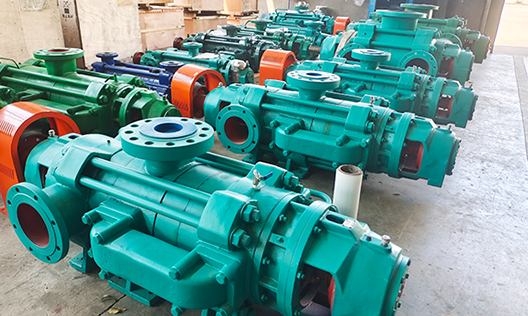
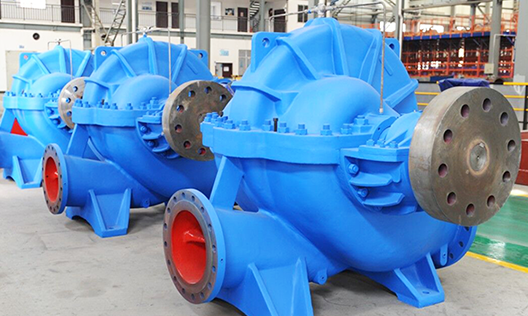
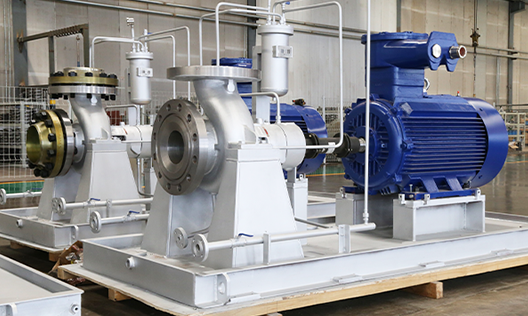
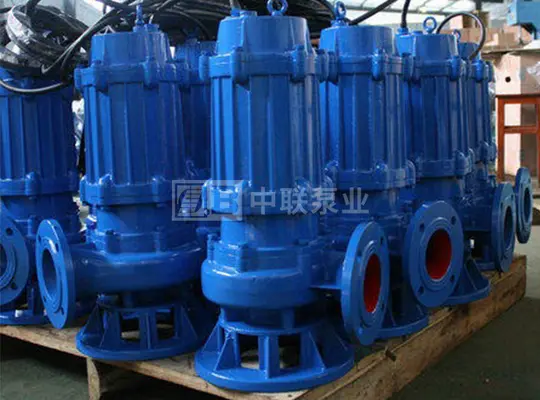
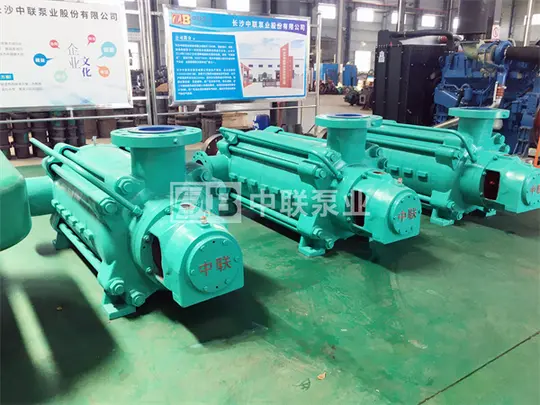
Puede fabricar 26 series de productos, incluyendo bombas de circulación para grandes centrales eléctricas, bombas de condensación para grandes centrales eléctricas, bombas petroquímicas, bombas multietapa, bombas de aguas residuales y lodo, bombas multietapa autoequilibradas, bombas de doble succión y única etapa tipo split, y bombas centrífugas de succión simple y única etapa.
-
Cases
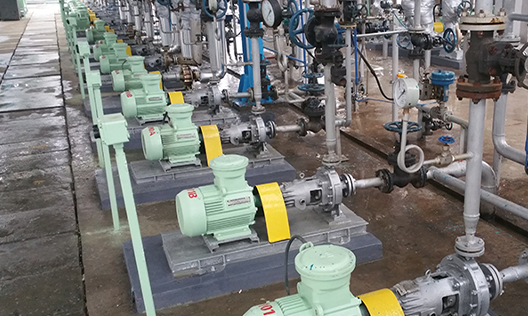
La elección de más de cientos de miles de clientes, cubriendo industrias como minería de carbón, metalurgia, química, energía, recursos hídricos, alimentos, municipalidades y protección ambiental, y exportando a Asia Sudeste, África, América y otros lugares.
-
Service
La empresa fue la primera en la industria en obtener las certificaciones internacionales del sistema de calidad ISO 9001:2008, del sistema de gestión ambiental ISO 14001 y del sistema de gestión de seguridad y salud ocupacional GB/T 28001, además de la certificación API 610 de la Asociación Estadounidense del Petróleo.
-
About us
La empresa, fundada en 1989, es una empresa nacional de alta tecnología integral que integra diseño, investigación y desarrollo, fabricación y servicios; actualmente es una empresa clave en la industria china de bombas centrífugas y una de las grandes fábricas especializadas.
-

Blogs
Con productos innovadores, calidad excepcional y servicios integrales, buscamos la verdad y la pragmática, avanzamos con iniciativa, y nos esforzamos por lograr el objetivo de ser "la marca líder en el campo de aplicación de bombas centrífugas en el país"! Raigada en Hunan, orientada a todo el país y hacia el mundo!
Pump Industry Wisdom Hub: Collaborative Innovation | Professor Zhang Xiaosi Visits to Jointly Explore Pathways for Technological Breakthrough
Publication Date:
2026-04-23
Author:
Source:


Recently, Changsha Zoomlion Pump Industry Welcoming a heavyweight academic guest— Water pump Professor Zhang Xiaosi, a leading authority in the field of technology, paid a visit this time with “technology empowerment and collaborative co-creation” as the central theme. The purpose is to bridge the gap between cutting-edge academic research and frontline industrial applications, thereby injecting new momentum into corporate product iteration and technological breakthroughs. The company’s chairman and key technical personnel accompanied the delegation throughout the visit, during which the two sides engaged in frequent and in-depth exchanges on trends in the evolution of fluid machinery, solutions to R&D pain points, and mechanisms for long-term collaboration.

At the outset of the exchange, the company’s management team used comprehensive data and a detailed product portfolio to provide a multifaceted overview of the company’s R&D evolution—from its early-stage accumulation to its current state. The presentation not only covered the market performance and process innovation achievements of the flagship models but also squarely addressed the practical bottlenecks currently encountered in the technology-upgrade process. Management candidly acknowledged that, against the backdrop of intensifying industry competition and accelerating technological iteration, external expert technical expertise is urgently needed to unravel the complexities of R&D and recalibrate the direction of innovation.
In response to industry needs, Professor Zhang has gone beyond theoretical analysis and instead addressed the core of engineering applications. Drawing on years of experience in tackling challenges in fluid mechanics, he systematically deconstructed the design logic of multiphase flow pumps and the fundamental principles underlying the dramatic improvement in centrifugal pump efficiency. For the persistent problems of cavitation and wear that have long plagued the industry, he has proposed a comprehensive solution encompassing the selection of specialized materials, the redesign of hydraulic models, and intelligent operating-condition control. Professor Zhang’s assessment indicates that the pump industry is undergoing a paradigm shift—from a “single-purpose durability” model to one characterized by “green, low-carbon operations combined with digital intelligence and connectivity.” Only by focusing on core technological frontiers and intensifying targeted R&D investment can companies break through the barriers of homogeneous competition and build an irreplaceable technological moat.

This technical alignment did not end with a single workshop; instead, it swiftly evolved into the establishment of a long-term collaborative mechanism. Professor Zhang explicitly stated his intention to use this visit as a pivotal starting point to spearhead the creation of a joint university–enterprise platform for tackling key challenges, with a focus on removing critical bottlenecks that impede the translation of fundamental research into engineering-scale production. The goal is to ensure that laboratory data effectively feeds back into the production line, thereby achieving mutual empowerment between academic research and industrial needs.
In response to the experts’ guidance, the company’s Technical Committee has initiated a dedicated technology-transfer program. According to the person in charge, the academic recommendations will be systematically broken down into quantifiable, trackable R&D KPIs and incorporated into the next phase of the product-matrix upgrade plan. Moving forward, the two parties will leverage regular technical exchanges and joint research projects as platforms to further deepen collaborative talent development and co-innovation in equipment, working together to seize the commanding heights of fluid-machinery technology and deliver more competitive, innovative solutions that drive high-quality industry evolution.
Previous:
Recommended Information


Related Products
Perhaps you also want to know?
Zoomlian Pump Industry
Address:No. 210, Environmental Protection Middle Road, Yuhua Economic Development Zone, Changsha City, Hunan Province China
All rights reserved © Changsha Zoomlian Pump Co., Ltd.
This website supports IPv4 IPv6 bidirectional access
Website construction:Zhongqi Power Changsha