

-
Products
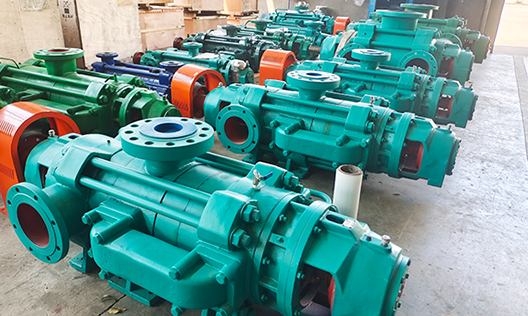
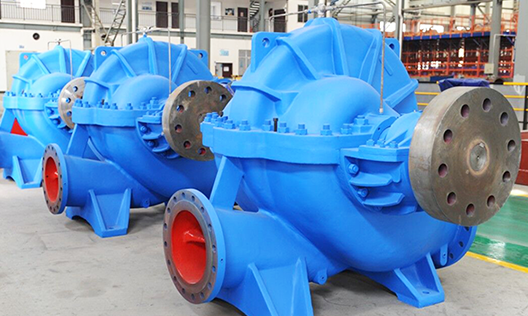
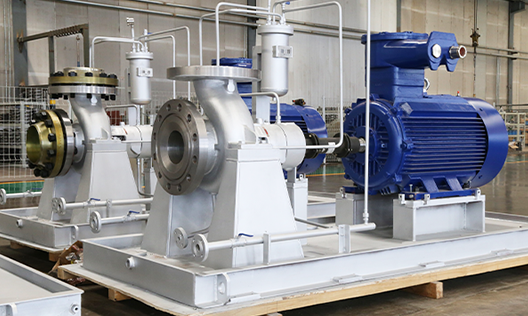
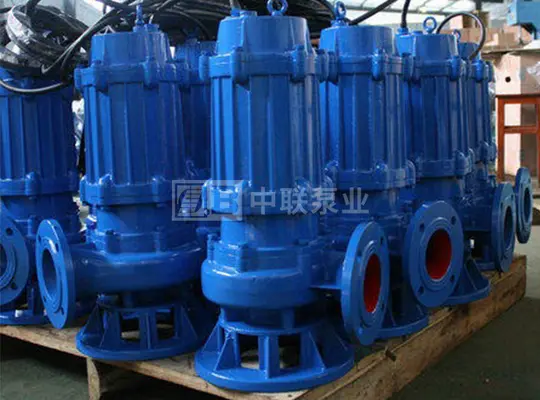
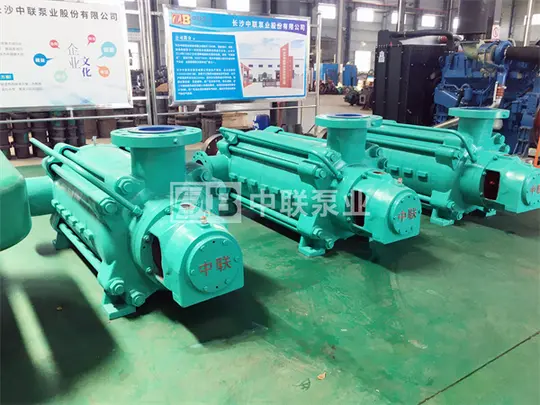
Puede fabricar 26 series de productos, incluyendo bombas de circulación para grandes centrales eléctricas, bombas de condensación para grandes centrales eléctricas, bombas petroquímicas, bombas multietapa, bombas de aguas residuales y lodo, bombas multietapa autoequilibradas, bombas de doble succión y única etapa tipo split, y bombas centrífugas de succión simple y única etapa.
-
Cases
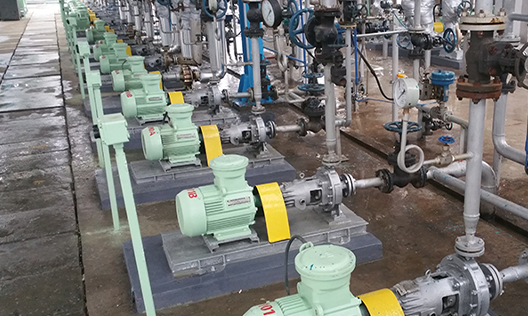
La elección de más de cientos de miles de clientes, cubriendo industrias como minería de carbón, metalurgia, química, energía, recursos hídricos, alimentos, municipalidades y protección ambiental, y exportando a Asia Sudeste, África, América y otros lugares.
-
Service
La empresa fue la primera en la industria en obtener las certificaciones internacionales del sistema de calidad ISO 9001:2008, del sistema de gestión ambiental ISO 14001 y del sistema de gestión de seguridad y salud ocupacional GB/T 28001, además de la certificación API 610 de la Asociación Estadounidense del Petróleo.
-
About us
La empresa, fundada en 1989, es una empresa nacional de alta tecnología integral que integra diseño, investigación y desarrollo, fabricación y servicios; actualmente es una empresa clave en la industria china de bombas centrífugas y una de las grandes fábricas especializadas.
-

Blogs
Con productos innovadores, calidad excepcional y servicios integrales, buscamos la verdad y la pragmática, avanzamos con iniciativa, y nos esforzamos por lograr el objetivo de ser "la marca líder en el campo de aplicación de bombas centrífugas en el país"! Raigada en Hunan, orientada a todo el país y hacia el mundo!
Hot Water Circulation Pump Market Heats Up with Demand for Efficiency and Smart Plumbing Solutions
Publication Date:
2026-04-27
Author:
Source:


The global hot water circulation pump market is experiencing strong growth as consumers and industries seek more efficient, sustainable, and convenient water heating systems. With increasing awareness of water conservation and energy efficiency, these pumps are becoming an essential component in modern plumbing infrastructure across residential, commercial, and industrial sectors.
A hot water circulation pump is designed to continuously move hot water through a closed-loop piping system, ensuring that hot water is instantly available at taps and fixtures. This eliminates the need to run water while waiting for it to heat up, significantly reducing water waste. As global water scarcity concerns intensify, the ability of these pumps to conserve water is becoming a major selling point, particularly in regions facing resource constraints.
Energy efficiency is another key driver of market growth. Traditional water heating systems often result in energy loss as hot water cools in pipes between uses. Circulation pumps help maintain consistent temperatures, reducing the need for repeated heating and lowering overall energy consumption. Many modern pumps are equipped with energy-saving features such as programmable timers, temperature sensors, and demand-based activation systems that operate only when needed. These innovations are helping homeowners and businesses reduce utility costs while minimizing their environmental footprint.
Technological advancements are transforming the capabilities of hot water circulation pumps. Smart pumps integrated with digital controls and connectivity features are gaining popularity. These systems can be managed via mobile applications, allowing users to monitor performance, adjust settings, and optimize usage remotely. In smart homes and commercial buildings, these pumps are often integrated into broader building management systems, enhancing automation and efficiency.
The construction and real estate sectors are also contributing to increased demand. As new residential and commercial buildings are designed with higher standards of comfort and sustainability, hot water circulation systems are increasingly being included as a standard feature. Retrofitting existing buildings with these pumps is also becoming common, particularly in older properties where water and energy efficiency improvements are needed.
In commercial applications such as hotels, hospitals, and office buildings, hot water circulation pumps play a critical role in maintaining consistent service levels. Instant hot water availability enhances user experience and operational efficiency, especially in facilities with high water usage. In healthcare settings, these systems also support hygiene standards by maintaining appropriate water temperatures to prevent bacterial growth.
Regional trends show strong growth in Asia-Pacific, driven by rapid urbanization and infrastructure development. North America and Europe are also key markets, where energy efficiency regulations and sustainability initiatives are encouraging the adoption of advanced plumbing technologies. Government incentives and building codes promoting water and energy conservation are further supporting market expansion.
Despite its positive outlook, the industry faces challenges such as installation costs and the need for proper system design. Incorrect installation can lead to inefficiencies or increased energy consumption, highlighting the importance of professional expertise. Additionally, competition among manufacturers is intensifying, pushing companies to innovate and offer more cost-effective solutions.
Looking ahead, the hot water circulation pump market is expected to continue its upward trajectory. As technology advances and environmental concerns grow, these pumps will play an increasingly important role in modern water management systems. Their ability to combine convenience, efficiency, and sustainability positions them as a key solution in the future of smart and eco-friendly building infrastructure.
Recommended Information


Related Products
Perhaps you also want to know?
Zoomlian Pump Industry
Address:No. 210, Environmental Protection Middle Road, Yuhua Economic Development Zone, Changsha City, Hunan Province China
All rights reserved © Changsha Zoomlian Pump Co., Ltd.
This website supports IPv4 IPv6 bidirectional access
Website construction:Zhongqi Power Changsha