

-
Products
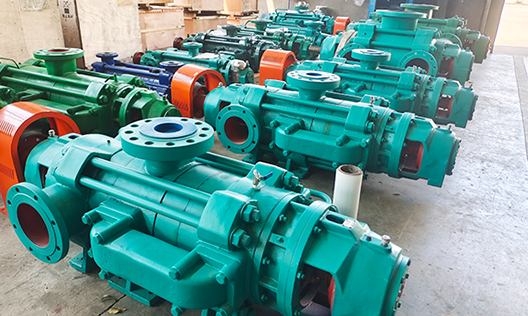
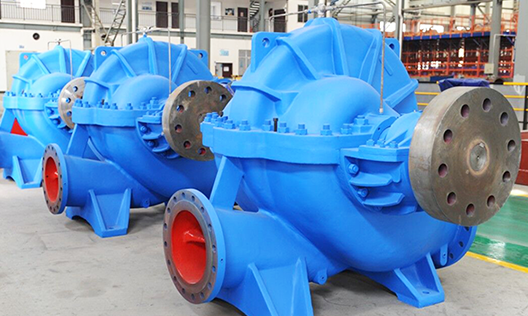
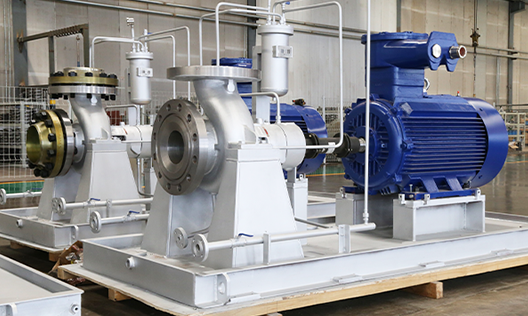
Puede fabricar 26 series de productos, incluyendo bombas de circulación para grandes centrales eléctricas, bombas de condensación para grandes centrales eléctricas, bombas petroquímicas, bombas multietapa, bombas de aguas residuales y lodo, bombas multietapa autoequilibradas, bombas de doble succión y única etapa tipo split, y bombas centrífugas de succión simple y única etapa.
-
Cases
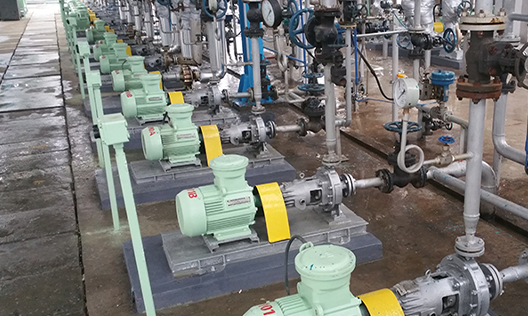
La elección de más de cientos de miles de clientes, cubriendo industrias como minería de carbón, metalurgia, química, energía, recursos hídricos, alimentos, municipalidades y protección ambiental, y exportando a Asia Sudeste, África, América y otros lugares.
-
Service
La empresa fue la primera en la industria en obtener las certificaciones internacionales del sistema de calidad ISO 9001:2008, del sistema de gestión ambiental ISO 14001 y del sistema de gestión de seguridad y salud ocupacional GB/T 28001, además de la certificación API 610 de la Asociación Estadounidense del Petróleo.
-
About us
La empresa, fundada en 1989, es una empresa nacional de alta tecnología integral que integra diseño, investigación y desarrollo, fabricación y servicios; actualmente es una empresa clave en la industria china de bombas centrífugas y una de las grandes fábricas especializadas.
-

Blogs
Con productos innovadores, calidad excepcional y servicios integrales, buscamos la verdad y la pragmática, avanzamos con iniciativa, y nos esforzamos por lograr el objetivo de ser "la marca líder en el campo de aplicación de bombas centrífugas en el país"! Raigada en Hunan, orientada a todo el país y hacia el mundo!
Choosing the Right Customized Hot Water Pump for Your Needs: A Comprehensive Guide
Publication Date:
2026-03-18
Author:
Source:


Choosing the Right Customized Hot Water Pump for Your Needs
When it comes to selecting a hot water pump, the decision can significantly impact your industrial operations. Customized hot water pumps are designed to meet specific needs, ensuring optimal efficiency and performance. In this comprehensive guide, we will explore the various factors that influence the selection of the right customized hot water pump, helping you make an informed choice.
Understanding Hot Water Pumps: An Overview
Hot water pumps are essential components in various industrial processes, including heating, cooling, and fluid transport. These pumps are designed to circulate hot water efficiently, providing essential support in applications ranging from HVAC systems to industrial machinery.
The Importance of Customization
Customized hot water pumps offer tailored solutions that address unique operational requirements. Unlike standard pumps, customized options allow for adjustments in size, capacity, and material, ensuring compatibility with specific systems. This level of customization can lead to enhanced performance, reduced energy consumption, and prolonged pump lifespan.
Key Features of Customized Hot Water Pumps
Before diving into the selection process, it's crucial to understand the key features of customized hot water pumps:
- **Capacity**: The pump's ability to move fluid at a specified rate, measured in gallons per minute (GPM) or liters per second (L/s).
- **Pressure Rating**: Indicates the maximum pressure the pump can handle, typically measured in pounds per square inch (PSI) or bars.
- **Temperature Range**: The operational temperature limits that the pump can effectively handle, essential for hot water applications.
- **Material Construction**: The pump’s material influences its durability, resistance to corrosion, and compatibility with various fluids.
- **Motor Type**: Electric, hydraulic, or pneumatic motors can dramatically affect performance and efficiency.
Factors to Consider When Choosing a Customized Hot Water Pump
Selecting the right customized hot water pump involves evaluating several factors. Here are the crucial considerations to guide your decision-making process:
1. Application Requirements
Identifying the specific application in which the pump will be used is paramount. Different applications may require varying pressure levels, flow rates, and temperature control.
2. Flow Rate and Pressure Needs
Understanding your flow rate and pressure requirements is essential. Calculate the necessary GPM based on the system's demands. Additionally, ensure that the pump can deliver the required pressure without straining the system.
3. Temperature Specifications
Hot water applications can reach high temperatures. Ensure that the pump you select can operate effectively within the required temperature range to prevent overheating or mechanical failures.
4. Material Compatibility
Pumps are available in various materials, including stainless steel, cast iron, and plastic. Consider the fluid being pumped and select a material that offers the necessary resistance to corrosion and wear.
5. Energy Efficiency
Energy efficiency is a critical factor for long-term operational costs. Look for pumps with high-efficiency motors and features that reduce energy consumption. This aspect not only benefits your budget but also supports sustainability initiatives.
6. Maintenance Requirements
Evaluate the maintenance needs of the pump. Some customized options are designed for easy servicing, reducing downtime and operational interruptions. Regular maintenance ensures that the pump operates at peak performance.
7. Budget Constraints
Establishing a budget is vital. While it’s essential to invest in a quality pump, understanding the balance between cost and performance ensures you don’t overspend without achieving your operational goals.
The Benefits of Customized Hot Water Pumps
Investing in a customized hot water pump comes with several advantages:
1. Enhanced Performance
Customized pumps are designed to meet your unique specifications, ensuring optimal performance tailored to your specific operational needs.
2. Increased Efficiency
With tailored features and specifications, customized pumps often operate more efficiently than standard models, leading to reduced energy costs and improved output.
3. Long-term Reliability
By selecting materials and designs that align with your operational environment, customized pumps tend to have a longer lifespan and reduced likelihood of breakdowns.
4. Simplified Integration
Customized pumps are designed to fit seamlessly into existing systems, minimizing the need for significant modifications and allowing for quicker installations.
How to Ensure You’re Getting the Right Customized Hot Water Pump
Ensuring that you choose the right customized hot water pump involves thorough research and evaluation.
1. Consult with Experts
Engaging with experienced professionals in the pumping industry can provide valuable insights. They can help assess your requirements and recommend suitable options based on their expertise.
2. Review Manufacturer Specifications
Always examine the manufacturer’s specifications and performance data. This information is critical to understanding how the pump will perform in your specific application.
3. Evaluate Customer Reviews and Case Studies
Look for customer reviews and case studies that provide real-world insights into the performance and reliability of the pumps you are considering.
4. Request Prototypes or Demonstrations
Whenever possible, request prototypes or demonstrations to observe the pump’s performance in real-time. This hands-on approach can help you assess whether the pump meets your expectations.
5. Consider Future Scalability
Think ahead and consider future growth or changes in application requirements. Choosing a pump that can scale with your operations is crucial for long-term success.
Common Types of Customized Hot Water Pumps
When exploring customized options, it's essential to understand the common types of hot water pumps available:
1. Centrifugal Pumps
Centrifugal pumps are widely used in hot water applications. They operate by converting rotational energy from a motor into energy in the fluid, making them efficient for moving large volumes of water.
2. Gear Pumps
Gear pumps provide a steady flow and are ideal for applications requiring high pressure. They are typically used in industrial settings where precision is critical.
3. Diaphragm Pumps
Diaphragm pumps are suitable for pumping viscous fluids or those containing solids. Their design allows for excellent control over flow rates and pressures.
Frequently Asked Questions (FAQs)
1. What is the lifespan of a customized hot water pump?
The lifespan of a customized hot water pump varies based on usage, maintenance, and conditions. Typically, well-maintained pumps can last anywhere from 5 to 15 years.
2. How do I determine the right flow rate for my application?
To determine the right flow rate, assess your system's requirements, including the number of fixtures and the demand for hot water during peak usage times.
3. Are customized hot water pumps more expensive than standard pumps?
While customized pumps may have a higher initial cost, their enhanced performance, efficiency, and durability can lead to lower operational costs over time.
4. How often should I service my hot water pump?
Regular maintenance is crucial. Generally, servicing your pump every 6 to 12 months is recommended, depending on usage and operating conditions.
5. Can I retrofit a customized hot water pump to my existing system?
In many cases, customized pumps are designed to fit seamlessly into existing systems. However, it’s best to consult with a professional to ensure compatibility.
Conclusion
Choosing the right customized hot water pump is essential for ensuring optimal performance and efficiency in industrial applications. By understanding your specific needs, evaluating key factors, and considering the benefits of customization, we can confidently select a pump that meets your requirements. With thorough research and expert consultation, the ideal pump will not only enhance your operations but also provide long-term reliability and efficiency. Investing time in making the right choice today will lead to significant benefits in the future, ensuring that your industrial processes run smoothly and effectively.
Previous:
Recommended Information


Related Products
Perhaps you also want to know?
Zoomlian Pump Industry
Address:No. 210, Environmental Protection Middle Road, Yuhua Economic Development Zone, Changsha City, Hunan Province China
All rights reserved © Changsha Zoomlian Pump Co., Ltd.
This website supports IPv4 IPv6 bidirectional access
Website construction:Zhongqi Power Changsha