

-
Products
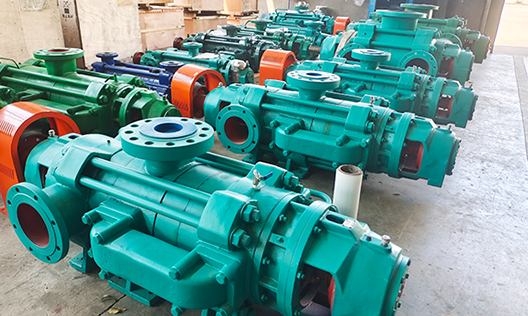
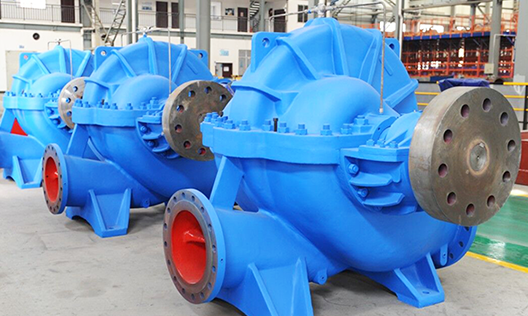
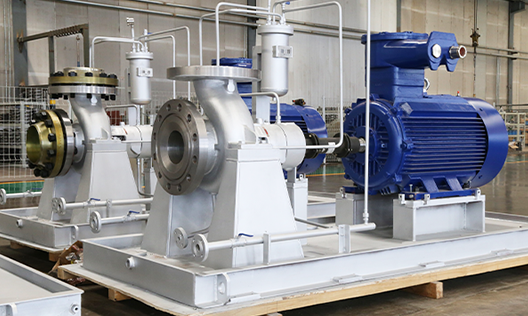
Puede fabricar 26 series de productos, incluyendo bombas de circulación para grandes centrales eléctricas, bombas de condensación para grandes centrales eléctricas, bombas petroquímicas, bombas multietapa, bombas de aguas residuales y lodo, bombas multietapa autoequilibradas, bombas de doble succión y única etapa tipo split, y bombas centrífugas de succión simple y única etapa.
-
Cases
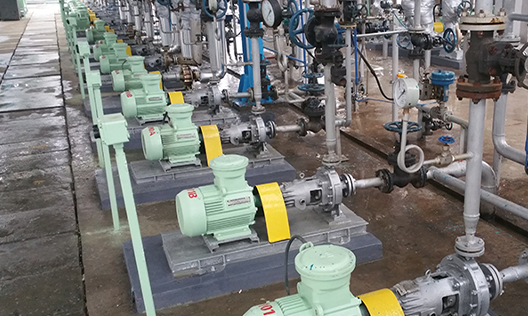
La elección de más de cientos de miles de clientes, cubriendo industrias como minería de carbón, metalurgia, química, energía, recursos hídricos, alimentos, municipalidades y protección ambiental, y exportando a Asia Sudeste, África, América y otros lugares.
-
Service
La empresa fue la primera en la industria en obtener las certificaciones internacionales del sistema de calidad ISO 9001:2008, del sistema de gestión ambiental ISO 14001 y del sistema de gestión de seguridad y salud ocupacional GB/T 28001, además de la certificación API 610 de la Asociación Estadounidense del Petróleo.
-
About us
La empresa, fundada en 1989, es una empresa nacional de alta tecnología integral que integra diseño, investigación y desarrollo, fabricación y servicios; actualmente es una empresa clave en la industria china de bombas centrífugas y una de las grandes fábricas especializadas.
-

Blogs
Con productos innovadores, calidad excepcional y servicios integrales, buscamos la verdad y la pragmática, avanzamos con iniciativa, y nos esforzamos por lograr el objetivo de ser "la marca líder en el campo de aplicación de bombas centrífugas en el país"! Raigada en Hunan, orientada a todo el país y hacia el mundo!
How Advanced Pipeline Pumps Ensure Efficient Fluid Transfer
Publication Date:
2026-03-14
Author:
Source:


How Advanced Pipeline Pumps Ensure Efficient Fluid Transfer
Understanding Pipeline Pumps: An Overview
Pipeline pumps are integral to modern industrial processes, playing a crucial role in the transport of fluids across various sectors. These pumps are engineered to handle a variety of fluids, from water and chemicals to slurries and viscous liquids.
What Are Pipeline Pumps?
Pipeline pumps are specifically designed to move fluids through pipelines efficiently. They are categorized based on their design and application, with centrifugal and positive displacement pumps being the two primary types. Centrifugal pumps are widely used for their ability to move large volumes of fluid at a consistent rate, while positive displacement pumps excel in delivering precise flow rates, particularly for thick or viscous materials.
The Importance of Efficient Fluid Transfer
Efficient fluid transfer is essential for minimizing energy consumption, reducing operational costs, and enhancing system reliability. Advanced pipeline pumps are designed to optimize these processes, ensuring that industries can meet demand without compromising on performance or safety.
Key Components of Advanced Pipeline Pumps
Understanding the components of advanced pipeline pumps can provide valuable insights into their functionality and efficiency.
Pump Housing and Impellers
The pump housing encloses the internal components, providing structural integrity and protecting against environmental factors. The impeller, a critical component, converts rotational energy into kinetic energy, facilitating fluid movement. Advanced designs often feature multiple impellers to enhance flow rates and efficiency.
Seals and Bearings
Seals prevent leaks and maintain pressure within the pump system, while bearings support the rotating shaft, reducing friction and wear. Innovations in seal and bearing technology contribute to longer pump life and reduced maintenance needs.
Advanced Technologies in Pipeline Pumps
The evolution of pipeline pump technology has led to the development of several advanced features that enhance efficiency and performance.
Smart Pumping Systems
Smart pumping systems utilize IoT (Internet of Things) technology to monitor and control pump operations in real-time. These systems can predict maintenance needs, optimize flow rates, and reduce energy consumption through intelligent adjustments.
Variable Frequency Drives (VFDs)
VFDs allow for the adjustment of pump speed based on real-time demand, ensuring that energy is used efficiently. By matching the pump's output to the system's requirements, industries can significantly reduce operational costs and extend the lifespan of their equipment.
Applications of Advanced Pipeline Pumps
Advanced pipeline pumps find applications across various industries, each with unique requirements and challenges.
Oil and Gas Industry
In the oil and gas sector, pipeline pumps are essential for transporting crude oil, natural gas, and refined products. The ability to handle viscous fluids and high pressures makes advanced pipeline pumps a critical component in this industry.
Water and Wastewater Management
Efficient water transport and wastewater treatment are vital for environmental sustainability. Advanced pipeline pumps are used in municipal water systems, irrigation, and wastewater treatment facilities to ensure the efficient movement of water and waste.
Food and Beverage Industry
In the food and beverage sector, maintaining product integrity is crucial. Advanced pipeline pumps designed for sanitary applications help transfer fluids without contamination, ensuring safety and compliance with industry regulations.
The Benefits of Using Advanced Pipeline Pumps
Investing in advanced pipeline pumps offers numerous benefits that can enhance operational efficiency.
Increased Efficiency and Reduced Energy Costs
Advanced pipeline pumps are designed for optimal performance, minimizing energy consumption while maximizing fluid transfer rates. This efficiency translates into significant cost savings for industrial operations.
Enhanced Reliability and Reduced Downtime
With superior design and innovative technologies, advanced pipeline pumps require less maintenance and have a lower risk of failure. This reliability leads to reduced downtime, allowing industries to maintain consistent production schedules.
Improved Fluid Handling Capabilities
Advanced pipeline pumps are engineered to handle a wide variety of fluids, including those that are abrasive, corrosive, or viscous. This versatility enables industries to utilize these pumps across multiple applications, streamlining operations and reducing the need for specialized equipment.
Choosing the Right Pipeline Pump for Your Needs
Selecting the appropriate pipeline pump requires careful consideration of various factors.
Flow Rate and Pressure Requirements
Understanding the specific flow rate and pressure needs of your application is critical in choosing the right pump. Calculating these requirements ensures that the selected pump can operate efficiently without overloading or underperforming.
Fluid Characteristics
The type of fluid being transported plays a significant role in pump selection. Factors such as viscosity, temperature, and corrosiveness must be considered to ensure that the pump materials and design can withstand the operating conditions.
Application Environment
The environment in which the pump will operate also influences the selection process. Factors such as space limitations, ambient temperature, and exposure to chemicals can affect pump performance and longevity.
Maintaining Advanced Pipeline Pumps for Optimal Performance
Regular maintenance is crucial for ensuring the longevity and efficiency of advanced pipeline pumps.
Routine Inspections and Maintenance Checks
Conducting routine inspections and maintenance checks can identify potential issues before they escalate. This proactive approach helps to maintain optimal performance and reduce unexpected downtime.
Lubrication and Seal Replacement
Proper lubrication of moving parts is essential for reducing friction and wear. Additionally, regular seal replacement is necessary to prevent leaks and maintain pressure within the system.
Monitoring Performance Metrics
Utilizing monitoring technologies to track performance metrics, such as flow rates, pressure levels, and energy consumption, can provide valuable insights into the pump's operational efficiency.
Future Trends in Pipeline Pump Technology
As industries continue to evolve, so too do the technologies that drive them. Several trends are shaping the future of pipeline pump design and functionality.
Increased Automation and Smart Technologies
The integration of automation and smart technologies is set to enhance the efficiency and reliability of pipeline pumps. Automated systems can optimize operations, reduce human error, and streamline maintenance processes.
Sustainability and Eco-Friendly Designs
With a growing focus on sustainability, the development of eco-friendly pipeline pumps is becoming increasingly important. These designs aim to minimize energy consumption and environmental impact while maintaining high performance levels.
Advancements in Materials and Coatings
Research into new materials and coatings is also advancing, leading to pumps that are more resistant to corrosion, wear, and high temperatures. These innovations will enhance the durability and lifespan of pipeline pumps.
Frequently Asked Questions
What is the difference between centrifugal and positive displacement pipeline pumps?
Centrifugal pumps use rotational energy to move fluids and are ideal for high flow rates, while positive displacement pumps move a fixed volume of fluid with each cycle, making them suitable for thicker or more viscous fluids.
How do I determine the right pump size for my application?
To size a pump correctly, you need to calculate the required flow rate and pressure for your specific application, as well as consider the properties of the fluid being transported.
What maintenance is required for advanced pipeline pumps?
Regular maintenance includes routine inspections, lubrication of moving parts, seal replacement, and monitoring performance metrics to ensure optimal operation.
Can advanced pipeline pumps handle corrosive fluids?
Yes, many advanced pipeline pumps are designed with materials that can resist corrosion, making them suitable for transporting a wide range of fluids, including those that are aggressive or corrosive.
What role do smart technologies play in pipeline pump efficiency?
Smart technologies enable real-time monitoring and automation of pump operations, allowing for adjustments based on demand, which enhances efficiency and reduces energy costs.
Conclusion
In conclusion, advanced pipeline pumps play a vital role in ensuring efficient fluid transfer across various industries. Their innovative designs, coupled with smart technologies, enable improved operational efficiency, reduced costs, and enhanced reliability. By understanding the key components, applications, and maintenance requirements of these pumps, industries can make informed decisions that lead to optimal performance and sustainability. As technology continues to advance, the future of pipeline pumps looks promising, with new innovations on the horizon that will further enhance their capabilities and efficiency.
Previous:
Recommended Information

Related Products
Perhaps you also want to know?
Zoomlian Pump Industry
Address:No. 210, Environmental Protection Middle Road, Yuhua Economic Development Zone, Changsha City, Hunan Province China
All rights reserved © Changsha Zoomlian Pump Co., Ltd.
This website supports IPv4 IPv6 bidirectional access
Website construction:Zhongqi Power Changsha