

-
Products
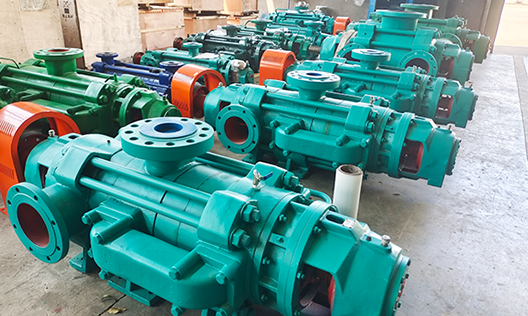
Puede fabricar 26 series de productos, incluyendo bombas de circulación para grandes centrales eléctricas, bombas de condensación para grandes centrales eléctricas, bombas petroquímicas, bombas multietapa, bombas de aguas residuales y lodo, bombas multietapa autoequilibradas, bombas de doble succión y única etapa tipo split, y bombas centrífugas de succión simple y única etapa.
-
Cases
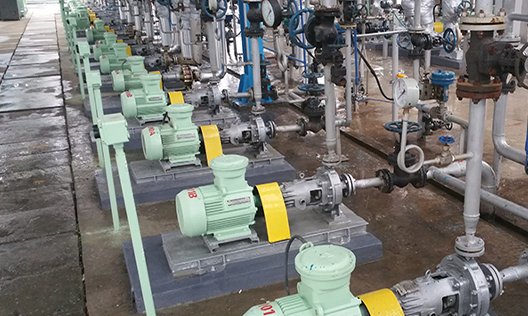
La elección de más de cientos de miles de clientes, cubriendo industrias como minería de carbón, metalurgia, química, energía, recursos hídricos, alimentos, municipalidades y protección ambiental, y exportando a Asia Sudeste, África, América y otros lugares.
-
Service
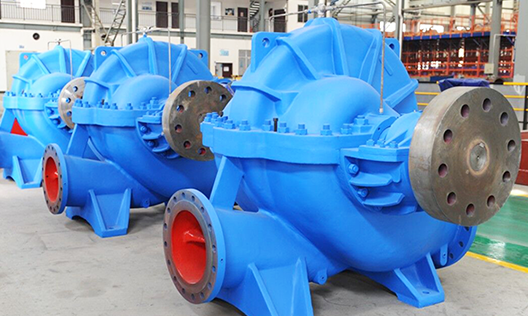
La empresa fue la primera en la industria en obtener las certificaciones internacionales del sistema de calidad ISO 9001:2008, del sistema de gestión ambiental ISO 14001 y del sistema de gestión de seguridad y salud ocupacional GB/T 28001, además de la certificación API 610 de la Asociación Estadounidense del Petróleo.
-
About us
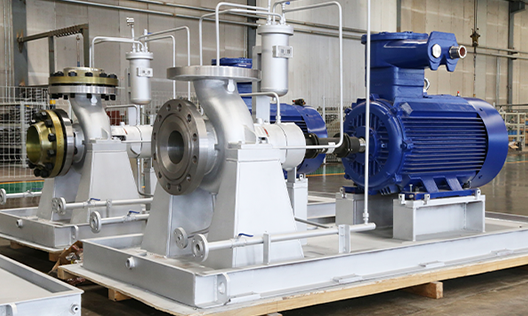
La empresa, fundada en 1989, es una empresa nacional de alta tecnología integral que integra diseño, investigación y desarrollo, fabricación y servicios; actualmente es una empresa clave en la industria china de bombas centrífugas y una de las grandes fábricas especializadas.
-

Blogs
Con productos innovadores, calidad excepcional y servicios integrales, buscamos la verdad y la pragmática, avanzamos con iniciativa, y nos esforzamos por lograr el objetivo de ser "la marca líder en el campo de aplicación de bombas centrífugas en el país"! Raigada en Hunan, orientada a todo el país y hacia el mundo!
Innovative Designs in Pipeline Pumps: What You Should Know for Optimal Efficiency
Publication Date:
2026-11-09
Author:
Source:


Innovative Designs in Pipeline Pumps: What You Should Know for Optimal Efficiency
Table of Contents
- 1. Introduction to Pipeline Pumps
- 2. The Importance of Innovative Designs in Pipeline Pumps
- 3. Key Design Features of Modern Pipeline Pumps
- 3.1. Hydraulic Efficiency
- 3.2. Material Selection and Durability
- 3.3. Compact Design and Space Efficiency
- 3.4. Energy Efficiency and Sustainability
- 4. Applications of Innovative Pipeline Pumps
- 5. Challenges in Pipeline Pump Design and Implementation
- 6. Future Trends in Pipeline Pump Technologies
- 7. Frequently Asked Questions
- 8. Conclusion
1. Introduction to Pipeline Pumps
Pipeline pumps are critical components in various industrial applications, ranging from water treatment to oil refineries. They are designed to transport liquids efficiently through pipelines, ensuring the smooth operation of processes. With advancements in technology and engineering, innovative designs in pipeline pumps have emerged, leading to significant improvements in efficiency, durability, and operational performance. Understanding these innovations is essential for industries looking to optimize their fluid transport systems.
2. The Importance of Innovative Designs in Pipeline Pumps
The demand for sophisticated pipeline pumps has surged due to the increasing need for energy-efficient solutions and sustainable practices in industrial operations. Innovative designs not only enhance the performance of these pumps but also address contemporary challenges such as energy consumption, maintenance costs, and environmental impact. By focusing on cutting-edge designs, industries can achieve higher reliability, lower operational costs, and reduced downtime, ultimately leading to improved productivity.
3. Key Design Features of Modern Pipeline Pumps
Modern pipeline pumps integrate several innovative features that significantly improve their performance and efficiency. Here, we discuss the most notable design elements.
3.1. Hydraulic Efficiency
Hydraulic efficiency is a crucial aspect of pipeline pump design. Innovative designs focus on optimizing the impeller and volute shapes, allowing the pump to move fluids with minimal energy loss. Advanced computational fluid dynamics (CFD) simulations enable engineers to refine these components, ensuring that fluid flow is smooth and efficient. The result is a pump that operates effectively across a range of conditions, minimizing energy costs and extending the pump's lifespan.
3.2. Material Selection and Durability
The materials used in pipeline pump construction significantly impact their performance and longevity. Innovative designs utilize advanced materials, such as high-strength alloys and composite materials, which offer excellent resistance to corrosion, abrasion, and wear. This selection not only enhances the durability of the pumps but also reduces maintenance needs and downtime.
3.3. Compact Design and Space Efficiency
As industrial spaces become more constrained, the need for compact and space-efficient equipment has grown. Innovative pipeline pump designs incorporate streamlined shapes and modular components that minimize their footprint without sacrificing performance. This compactness allows for easier installation and integration into existing systems, making them ideal for modern industrial environments.
3.4. Energy Efficiency and Sustainability
Energy efficiency is a critical factor in the design of pipeline pumps. Innovative designs often include features such as variable frequency drives (VFDs), which allow for precise control of pump speed according to demand. This adaptability not only reduces energy consumption but also contributes to sustainability goals by lowering greenhouse gas emissions. Additionally, many modern pumps are designed to meet or exceed stringent energy efficiency standards, making them a preferred choice for environmentally conscious organizations.
4. Applications of Innovative Pipeline Pumps
Pipeline pumps serve diverse industries, and their innovative designs cater to a wide range of applications. Some of the most common sectors include:
- **Water and Wastewater Treatment**: Efficiently transporting water and wastewater through treatment facilities is vital for public health and environmental protection. Innovative pipeline pumps ensure reliable operation in these critical systems.
- **Oil and Gas Industry**: In oil refineries and gas distribution systems, pipeline pumps transport hydrocarbons safely and efficiently. Advanced designs provide the necessary pressure and flow rates under challenging conditions.
- **Chemical Processing**: The chemical industry requires pumps that can handle corrosive and viscous liquids. Innovative designs use materials and engineering techniques that enhance the pumps' ability to manage these fluids safely.
- **Food and Beverage Production**: In the food industry, hygiene and reliability are paramount. Pumps designed for these applications incorporate features that facilitate easy cleaning and maintenance while ensuring product integrity.
5. Challenges in Pipeline Pump Design and Implementation
While innovative designs in pipeline pumps offer numerous advantages, they also come with challenges. Engineers must address issues such as:
- **Cost Considerations**: Advanced materials and technologies can increase initial costs, which may deter some organizations from adopting innovative solutions.
- **Integration with Existing Systems**: Retrofitting new pumps into older systems can present compatibility issues, requiring careful planning and engineering expertise.
- **Maintenance and Training**: More sophisticated designs may necessitate specialized maintenance procedures and staff training, which can be a barrier for some operators.
6. Future Trends in Pipeline Pump Technologies
The future of pipeline pump technologies is promising, with several trends shaping their development:
- **Smart Technology Integration**: The rise of the Internet of Things (IoT) is leading to the incorporation of smart sensors in pipeline pumps, allowing for real-time monitoring and predictive maintenance.
- **Sustainable Practices**: As industries become more environmentally conscious, the demand for eco-friendly designs will continue to rise. Future pumps will likely prioritize recyclable materials and energy-efficient operations.
- **Advanced Computational Tools**: The use of artificial intelligence and machine learning in the design process will enable engineers to create even more efficient and reliable pumps, optimizing performance based on real-time data.
7. Frequently Asked Questions
What are pipeline pumps used for?
Pipeline pumps are primarily used to transport liquids through pipelines in various industries, including water treatment, oil and gas, chemical processing, and food production.
How do innovative designs improve the efficiency of pipeline pumps?
Innovative designs enhance efficiency by optimizing hydraulic components, selecting durable materials, implementing energy-efficient technologies, and creating compact designs that fit modern industrial spaces.
What factors should be considered when choosing a pipeline pump?
When selecting a pipeline pump, consider factors such as the type of fluid being transported, required flow rate, pressure needs, energy efficiency, and compatibility with existing systems.
Are advanced pipeline pumps more expensive than traditional models?
Yes, innovative pipeline pumps may have higher initial costs due to advanced materials and technologies. However, they often lead to lower operational costs and improved efficiency over time.
What future trends can we expect in pipeline pump technology?
Future trends include greater integration of smart technology for real-time monitoring, a focus on sustainable and eco-friendly designs, and advancements in computational tools that enhance pump performance.
8. Conclusion
Innovative designs in pipeline pumps are revolutionizing the way industries transport fluids. By understanding the key features and advantages of modern pipeline pumps, organizations can make informed decisions that optimize their operations. As technology continues to evolve, staying abreast of trends and advancements will be crucial for maintaining a competitive edge. Investing in innovative pipeline pumps not only enhances efficiency but also supports sustainability goals, positioning industries for future success.
Previous:
Recommended Information


Related Products
Perhaps you also want to know?
Zoomlian Pump Industry
Address:No. 210, Environmental Protection Middle Road, Yuhua Economic Development Zone, Changsha City, Hunan Province China
All rights reserved © Changsha Zoomlian Pump Co., Ltd.
This website supports IPv4 IPv6 bidirectional access
Website construction:Zhongqi Power Changsha