

-
Products
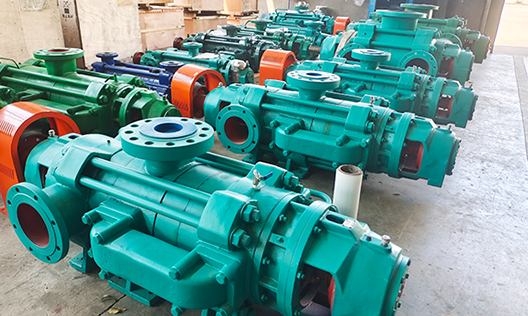
Puede fabricar 26 series de productos, incluyendo bombas de circulación para grandes centrales eléctricas, bombas de condensación para grandes centrales eléctricas, bombas petroquímicas, bombas multietapa, bombas de aguas residuales y lodo, bombas multietapa autoequilibradas, bombas de doble succión y única etapa tipo split, y bombas centrífugas de succión simple y única etapa.
-
Cases
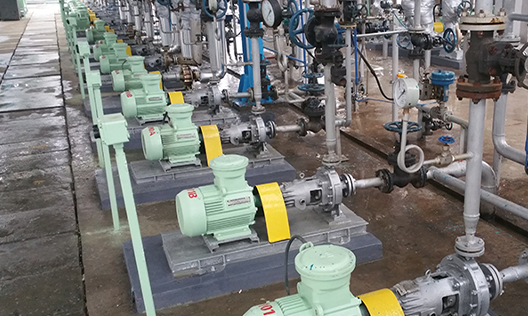
La elección de más de cientos de miles de clientes, cubriendo industrias como minería de carbón, metalurgia, química, energía, recursos hídricos, alimentos, municipalidades y protección ambiental, y exportando a Asia Sudeste, África, América y otros lugares.
-
Service
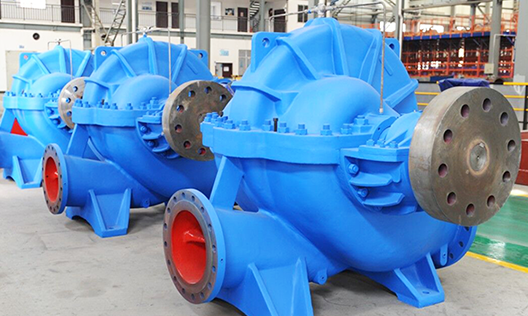
La empresa fue la primera en la industria en obtener las certificaciones internacionales del sistema de calidad ISO 9001:2008, del sistema de gestión ambiental ISO 14001 y del sistema de gestión de seguridad y salud ocupacional GB/T 28001, además de la certificación API 610 de la Asociación Estadounidense del Petróleo.
-
About us
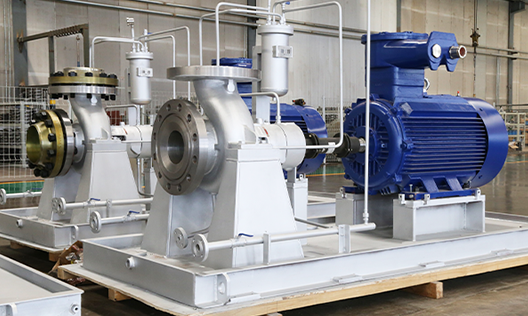
La empresa, fundada en 1989, es una empresa nacional de alta tecnología integral que integra diseño, investigación y desarrollo, fabricación y servicios; actualmente es una empresa clave en la industria china de bombas centrífugas y una de las grandes fábricas especializadas.
-

Blogs
Con productos innovadores, calidad excepcional y servicios integrales, buscamos la verdad y la pragmática, avanzamos con iniciativa, y nos esforzamos por lograr el objetivo de ser "la marca líder en el campo de aplicación de bombas centrífugas en el país"! Raigada en Hunan, orientada a todo el país y hacia el mundo!
Do horizontal high-pressure multistage centrifugal pumps consume a lot of electricity? These few reasons are quite common.
Publication Date:
2026-02-27
Author:
Source:


In industrial fluid-transfer applications, the energy consumption of horizontal high-pressure multistage centrifugal pumps directly affects production and operational costs. Many enterprises encounter the challenge during operation of “surging electricity consumption without a corresponding increase in transfer efficiency.” This phenomenon is not accidental; rather, it results from the combined effects of factors such as operating condition matching, medium characteristics, and equipment maintenance. In this article, Centrifugal pump Manufacturer Changsha Zhonglian Pump Industry Senior after-sales engineer, Mr. Feng, draws on his many years of maintenance experience to identify several common causes of high power consumption in horizontal high-pressure multistage centrifugal pumps, for reference by user organizations.

I. Is power consumption remaining stubbornly high? 5 In-depth Analysis of the Core Reasons
Operating condition deviation: Flow rate and head deviate from the design range.
The efficient operation of a horizontal high-pressure multistage centrifugal pump depends on precise matching of operating conditions. If the actual flow rate and head deviate from the pump’s rated design parameters by more than... 15% This will cause the pump to operate in an inefficient range—either the flow rate is too high, resulting in “a big horse pulling a small cart,” or the head is insufficient, forcing the pump to run overloaded. Both scenarios will directly lead to a sharp increase in power consumption.
Sudden change in medium properties: density / Viscosity exceeds the design threshold.
When designing a pump, the pump body is typically based on specific medium parameters. If the density and viscosity of the actual medium being conveyed increase compared to the design values—for example, due to an increase in solid content or changes in medium temperature—this will lead to greater flow resistance within the pump and higher impeller load. As a result, the motor will need to output more power to maintain normal operation, thereby increasing energy consumption per unit of throughput. It’s important to note that significant impacts on energy consumption will occur only when the variation in medium parameters exceeds the design tolerance range; minor fluctuations generally won’t cause noticeable changes in power consumption.
Equipment aging and lack of maintenance: Component wear leads to performance degradation.
After prolonged operation, core components such as the pump impeller, seals, and bearings are prone to wear and corrosion, leading to increased clearances and reduced sealing performance. Impeller wear diminishes hydraulic efficiency, while enlarged clearances can cause internal leakage. All these issues result in the pump performing "useless work," ultimately manifesting as higher power consumption coupled with declining delivery efficiency. Moreover, failure to perform regular lubrication and maintenance, as well as untimely removal of impeller fouling, can further exacerbate energy waste.
Motor operation anomalies: efficiency degradation or improper matching.
As the power core of the pump, the motor’s operational status directly affects overall energy consumption. Issues such as coil aging, bearing damage, and declining insulation performance can all reduce the motor’s efficiency. Similarly, if the motor’s power output does not match the pump’s requirements—for example, using a “small motor to drive a large pump,” which leads to overloaded operation, or using a “large motor to drive a small pump,” resulting in power redundancy—this will also cause unnecessary energy waste.
Excessive system resistance: Unreasonable design of pipelines and accessories.
The layout of pipelines and the selection of valves in a conveying system directly affect the pump’s load. If there are too many pipe bends, the pipe diameter is too small, valves are not fully open, or filters become clogged and are not cleaned promptly, the system resistance will exceed the pump’s design capacity. As a result, the pump will have to consume additional energy to overcome this resistance, thereby increasing power consumption.
Recommended Information


Related Products
Perhaps you also want to know?
Zoomlian Pump Industry
Address:No. 210, Environmental Protection Middle Road, Yuhua Economic Development Zone, Changsha City, Hunan Province China
All rights reserved © Changsha Zoomlian Pump Co., Ltd.
This website supports IPv4 IPv6 bidirectional access
Website construction:Zhongqi Power Changsha