

-
Products
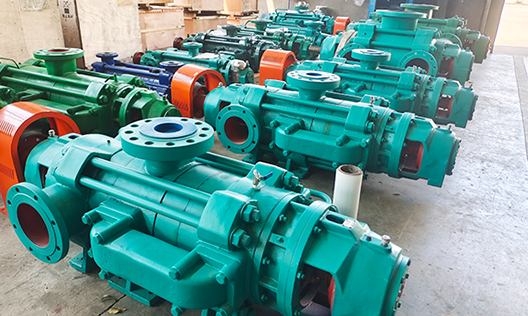
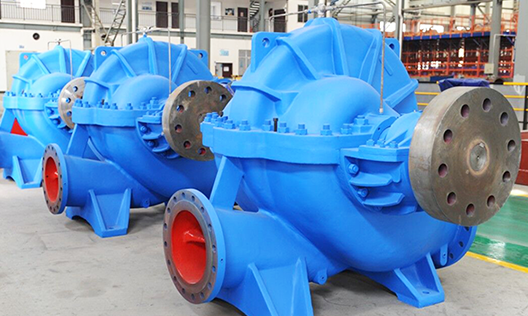
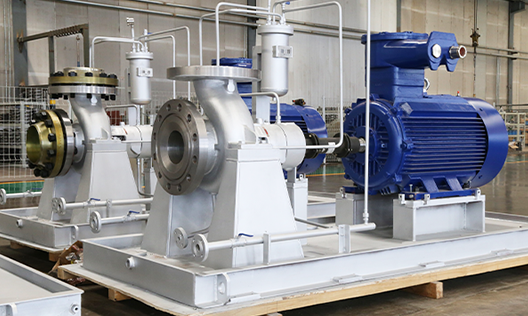
Puede fabricar 26 series de productos, incluyendo bombas de circulación para grandes centrales eléctricas, bombas de condensación para grandes centrales eléctricas, bombas petroquímicas, bombas multietapa, bombas de aguas residuales y lodo, bombas multietapa autoequilibradas, bombas de doble succión y única etapa tipo split, y bombas centrífugas de succión simple y única etapa.
-
Cases
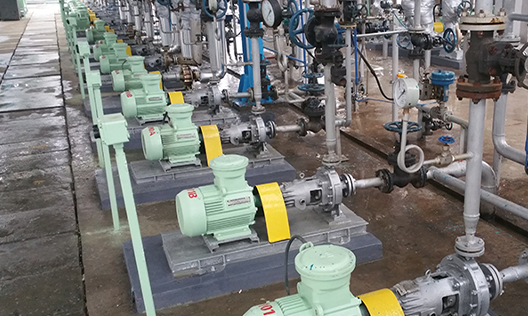
La elección de más de cientos de miles de clientes, cubriendo industrias como minería de carbón, metalurgia, química, energía, recursos hídricos, alimentos, municipalidades y protección ambiental, y exportando a Asia Sudeste, África, América y otros lugares.
-
Service
La empresa fue la primera en la industria en obtener las certificaciones internacionales del sistema de calidad ISO 9001:2008, del sistema de gestión ambiental ISO 14001 y del sistema de gestión de seguridad y salud ocupacional GB/T 28001, además de la certificación API 610 de la Asociación Estadounidense del Petróleo.
-
About us
La empresa, fundada en 1989, es una empresa nacional de alta tecnología integral que integra diseño, investigación y desarrollo, fabricación y servicios; actualmente es una empresa clave en la industria china de bombas centrífugas y una de las grandes fábricas especializadas.
-

Blogs
Con productos innovadores, calidad excepcional y servicios integrales, buscamos la verdad y la pragmática, avanzamos con iniciativa, y nos esforzamos por lograr el objetivo de ser "la marca líder en el campo de aplicación de bombas centrífugas en el país"! Raigada en Hunan, orientada a todo el país y hacia el mundo!
Analysis of Common Causes and Solutions for Low Current During Operation of Self-Balancing Multistage Pumps
Publication Date:
2026-01-12
Author:
Source:


Self-balancing Multistage pump If the operating current is too low, it will directly result in insufficient pump output power and failure to meet the designed head and flow requirements, thereby affecting production efficiency. The following is a list of manufacturers of self-balancing multistage pumps. Changsha Zhonglian Pump Industry The technical engineer, starting from the root cause and drawing on practical experience in industrial applications, provides an analysis of common reasons for low current during the operation of self-balancing multistage pumps, along with corresponding solutions, for reference by user organizations.
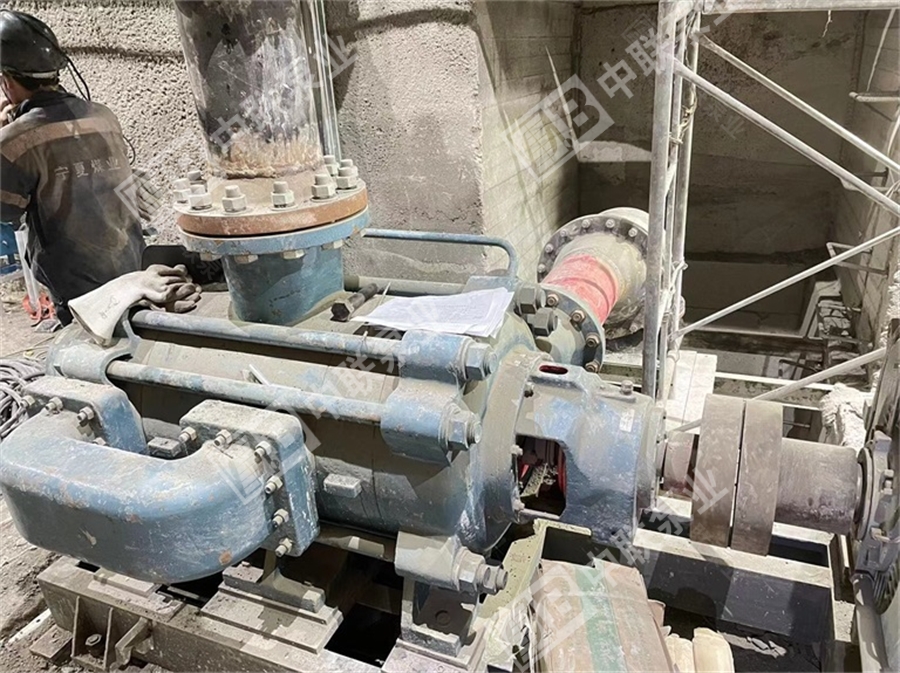
Please click on the image to learn more about the details and specifications of Changsha Zhonglian Pump Industry’s [Self-Balancing Multistage Pumps].
First and foremost, deviations in operating condition matching are the primary contributing factor. When the actual head is lower than the pump’s rated head, the medium’s flow resistance is insufficient, allowing the impeller to complete the delivery without needing to output its rated power—thus naturally resulting in a lower current reading. Meanwhile, if the pipeline flow rate is too low (e.g., due to valves not being fully open or scaling and blockages on the inner walls of the pipeline), the volume of medium passing through the pump will be inadequate, further reducing the pump’s load. To address these issues, we recommend first verifying the actual operating parameters using pressure gauges and flow meters. If the head deviation is relatively small, you can fine-tune the opening of the outlet valve to better match the system requirements. However, if the deviation is significant, you’ll need to assess whether it’s necessary to replace the pump with a model that better matches the required head. At the same time, inspect the pipeline thoroughly, use high-pressure flushing to remove any scale buildup from the inner walls, ensure that all valves are fully open, and minimize flow resistance.
Secondly, failures in the pump body and transmission components can directly affect the efficiency of power generation. Over time, the impeller is subjected to continuous erosion by the medium, making it prone to blade wear, corrosion, or scaling. This reduces the effective working area and lowers hydraulic efficiency. The motor is connected to the pump shaft via a coupling; if the coupling bolts become loose or the elastic pads age, power transmission will slip, causing the current to drop accordingly. To address these issues, troubleshooting should follow the sequence “external first, then internal”: First, tighten the coupling bolts and replace any aged elastic pads to eliminate transmission slippage. Next, disassemble the pump body to inspect the impeller, removing any surface scale. If the blades show perforations or severe wear, they must be promptly replaced with impellers of the same model to restore hydraulic performance.
Finally, abnormal external conditions can also cause the current to be lower than expected. The supply voltage is below the rated value. 10% In the above situation, the motor’s electromagnetic torque decreases, resulting in insufficient output power. If the viscosity and density of the medium are lower than the design values (for example, when a clear-water pump is used to convey light oil), the resistance encountered by the impeller during rotation will decrease, thereby reducing the pump’s load. To address these issues: First, use a multimeter to check the supply voltage and ensure it remains stable at... 380V ± 5% (Three-phase asynchronous motor): Check for faults such as loose wiring connections and excessive cable voltage drop. If the issue is due to mismatched medium parameters, verify the viscosity and density data of the medium, select a pump model that is suitable, or adjust the operating procedure (e.g., reduce the rotational speed).
Recommended Information


Related Products
Perhaps you also want to know?
Zoomlian Pump Industry
Address:No. 210, Environmental Protection Middle Road, Yuhua Economic Development Zone, Changsha City, Hunan Province China
All rights reserved © Changsha Zoomlian Pump Co., Ltd.
This website supports IPv4 IPv6 bidirectional access
Website construction:Zhongqi Power Changsha