

-
Products
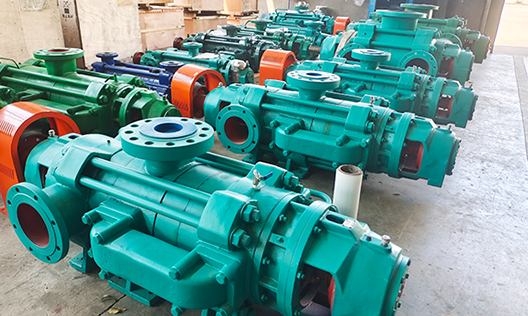
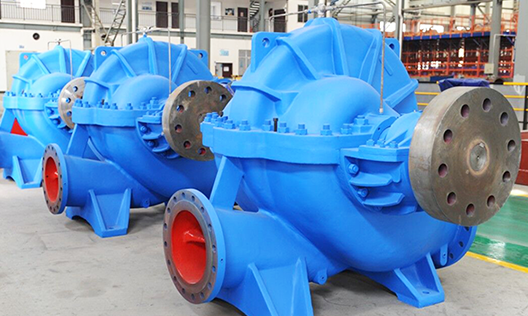
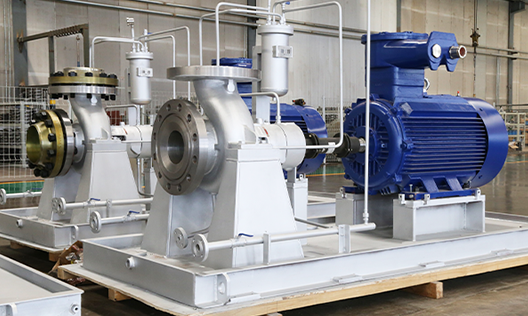
Puede fabricar 26 series de productos, incluyendo bombas de circulación para grandes centrales eléctricas, bombas de condensación para grandes centrales eléctricas, bombas petroquímicas, bombas multietapa, bombas de aguas residuales y lodo, bombas multietapa autoequilibradas, bombas de doble succión y única etapa tipo split, y bombas centrífugas de succión simple y única etapa.
-
Cases
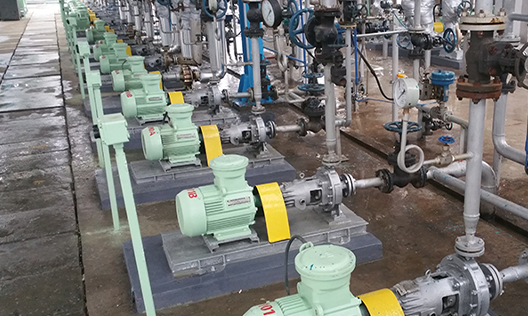
La elección de más de cientos de miles de clientes, cubriendo industrias como minería de carbón, metalurgia, química, energía, recursos hídricos, alimentos, municipalidades y protección ambiental, y exportando a Asia Sudeste, África, América y otros lugares.
-
Service
La empresa fue la primera en la industria en obtener las certificaciones internacionales del sistema de calidad ISO 9001:2008, del sistema de gestión ambiental ISO 14001 y del sistema de gestión de seguridad y salud ocupacional GB/T 28001, además de la certificación API 610 de la Asociación Estadounidense del Petróleo.
-
About us
La empresa, fundada en 1989, es una empresa nacional de alta tecnología integral que integra diseño, investigación y desarrollo, fabricación y servicios; actualmente es una empresa clave en la industria china de bombas centrífugas y una de las grandes fábricas especializadas.
-

Blogs
Con productos innovadores, calidad excepcional y servicios integrales, buscamos la verdad y la pragmática, avanzamos con iniciativa, y nos esforzamos por lograr el objetivo de ser "la marca líder en el campo de aplicación de bombas centrífugas en el país"! Raigada en Hunan, orientada a todo el país y hacia el mundo!
Maintenance methods for reducing the aging of components in wear-resistant multistage centrifugal pumps used in mining.
Publication Date:
2026-01-04
Author:
Source:


Wear-resistant multistage centrifugal pumps for mining applications, with their advantages of high-efficiency conveyance and strong cavitation resistance, are widely used in industrial sectors such as petrochemicals, water conservancy, and metallurgy. The stable operation of these devices is directly linked to the continuity of production, and component aging represents the core risk factor that leads to performance degradation and shortened service life. Therefore, establishing a scientific and systematic maintenance system is particularly crucial. Below is... Coal Safety Certification A professional manufacturer of multi-stage mining pumps with dual certification—both mine safety and product certification. Changsha Zhonglian Pump Industry Based on practical operational and maintenance experience with pump equipment, this document shares maintenance methods for reducing the aging of components in mine-use, wear-resistant multistage centrifugal pumps, for reference by user organizations.

Please click on the image to learn about the model specifications and product details of various [mining multistage centrifugal pumps] from Changsha Zhonglian Pump Industry.
1. Conduct routine inspections and proactively identify aging risks: Treat the inspection of vulnerable components as a key focus of daily operations and maintenance, and perform regular checks on... Impeller 、 Bearing 、 Sealing ring Conduct a comprehensive inspection of the core components, with particular emphasis on identifying signs of aging such as wear, cracks, and deformation. If any abnormalities are detected, immediately stop the machine and replace the affected parts to prevent the failure from escalating and disrupting the operation of the entire system.
2. Dual protection through cleaning and lubrication to slow down wear: Regularly clean impurities and dirt from inside the pump body and flow passages to prevent deposits from increasing friction between components. For moving parts such as bearings, select lubricants of the appropriate type and model, and replenish or replace them regularly according to the equipment manual instructions, thereby forming an effective lubricating protective film that reduces the aging rate caused by mechanical wear.
3. Timely replace aged components to maintain design performance: Impellers, bearings, seals, and other core components that are prone to aging must be replaced promptly based on operating hours and wear levels. This prevents chain reactions caused by the aging of individual components and ensures that the pump always maintains high flow rates and low cavitation performance under its designed operating conditions.
4. Dynamic clearance calibration to ensure operational accuracy: As components age, the critical mating clearances within the pump body may shift. Therefore, it is necessary to periodically use specialized tools to inspect and adjust these clearances, ensuring that the clearances between the impeller and pump casing, as well as those between the shaft and seals, remain within the design specifications. This prevents excessive or insufficient clearances from accelerating component wear and tear, thereby maintaining the equipment’s efficient operating condition.
5. Precise control of operating conditions to avoid overloading: Reasonably match flow and pressure parameters according to actual production needs, and strictly prohibit operation beyond the design specifications—excessively high flow or pressure can significantly increase component loads, accelerate fatigue and aging, and particularly cause additional wear and tear on the cavitation-resistant structure of mining-grade, wear-resistant multistage centrifugal pumps.
6. Targeted anti-corrosion treatment tailored to the characteristics of the medium: Based on the corrosive properties of the conveyed medium, adopt differentiated anti-corrosion measures. When conveying corrosive media, prioritize the selection of... 316L Components made of corrosion-resistant materials such as stainless steel, or the pump body and flow-path components coated with anti-corrosion layers, can reduce aging caused by media erosion at the source.
7. Establish a full-lifecycle maintenance ledger: Record in detail the timing of each maintenance event, the specific tasks performed, the model and specifications of replaced components, and inspection data. Use this ledger to track the operational status of equipment and the aging patterns of components, providing data support for formulating subsequent maintenance plans and predicting component replacement cycles.
8. Standardize operational procedures to reduce human-induced wear and tear: Operators must undergo specialized training before taking up their posts, becoming proficient in the start-up and shutdown procedures for mine-use, wear-resistant multistage centrifugal pumps, key points for adjusting operating conditions, and emergency response methods. This will help prevent sudden increases in equipment load caused by improper operation, thereby minimizing abnormal wear and aging of components.
The maintenance and management of wear-resistant multistage centrifugal pumps for mining applications is a systematic endeavor that spans the entire lifecycle of the equipment. The core principle lies in “prevention first, with targeted and precise measures.” By implementing regular inspections, scientific lubrication practices, timely replacement of aged components, and standardized operational condition adjustments, we can not only effectively slow down the aging process of parts but also ensure that the equipment consistently operates at high efficiency and stability, thereby providing reliable support for the continuous operation of industrial production. Enterprises must place great importance on cultivating the professional competence of their operations and maintenance teams, ensuring that maintenance efforts are carried out effectively and maximizing the value derived from equipment utilization.
Recommended Information


Related Products
Perhaps you also want to know?
Zoomlian Pump Industry
Address:No. 210, Environmental Protection Middle Road, Yuhua Economic Development Zone, Changsha City, Hunan Province China
All rights reserved © Changsha Zoomlian Pump Co., Ltd.
This website supports IPv4 IPv6 bidirectional access
Website construction:Zhongqi Power Changsha