

-
Products
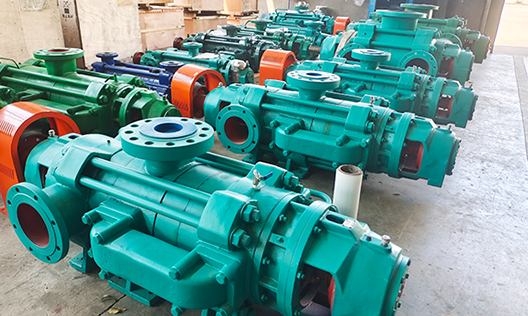
Puede fabricar 26 series de productos, incluyendo bombas de circulación para grandes centrales eléctricas, bombas de condensación para grandes centrales eléctricas, bombas petroquímicas, bombas multietapa, bombas de aguas residuales y lodo, bombas multietapa autoequilibradas, bombas de doble succión y única etapa tipo split, y bombas centrífugas de succión simple y única etapa.
-
Cases
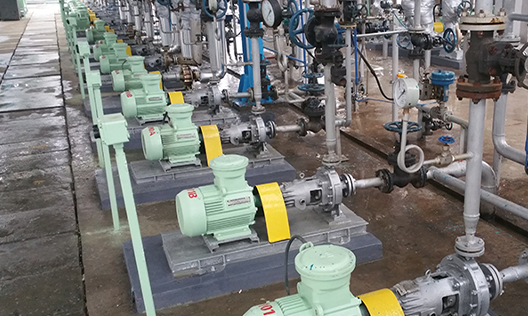
La elección de más de cientos de miles de clientes, cubriendo industrias como minería de carbón, metalurgia, química, energía, recursos hídricos, alimentos, municipalidades y protección ambiental, y exportando a Asia Sudeste, África, América y otros lugares.
-
Service
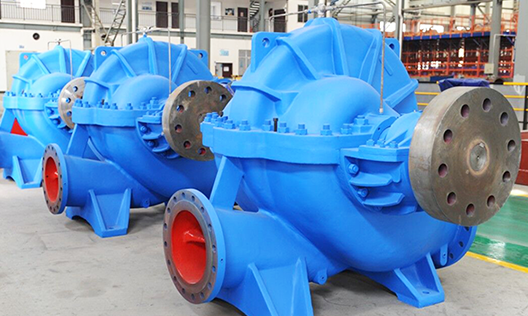
La empresa fue la primera en la industria en obtener las certificaciones internacionales del sistema de calidad ISO 9001:2008, del sistema de gestión ambiental ISO 14001 y del sistema de gestión de seguridad y salud ocupacional GB/T 28001, además de la certificación API 610 de la Asociación Estadounidense del Petróleo.
-
About us
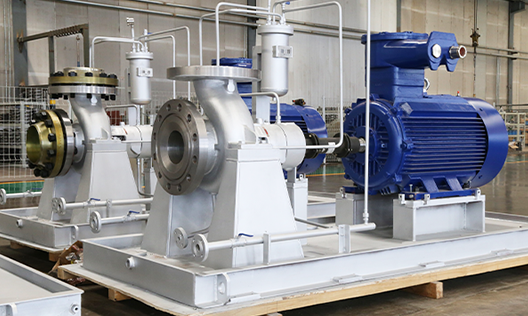
La empresa, fundada en 1989, es una empresa nacional de alta tecnología integral que integra diseño, investigación y desarrollo, fabricación y servicios; actualmente es una empresa clave en la industria china de bombas centrífugas y una de las grandes fábricas especializadas.
-

Blogs
Con productos innovadores, calidad excepcional y servicios integrales, buscamos la verdad y la pragmática, avanzamos con iniciativa, y nos esforzamos por lograr el objetivo de ser "la marca líder en el campo de aplicación de bombas centrífugas en el país"! Raigada en Hunan, orientada a todo el país y hacia el mundo!
What should I do if the valve of a chemical pump is leaking?
Publication Date:
2026-01-05
Author:
Source:


In chemical pump systems, valves are extensively used under harsh operating conditions. Valve external leakage not only affects the efficiency of medium transportation but can also cause environmental pollution and even lead to safety incidents such as fires and explosions. Therefore, the sealing performance of valves is one of the key indicators for assessing their quality. External leakage primarily occurs at two major areas: the valve stem packing and the valve bonnet gasket. Internal leakage, on the other hand, often happens at the gate. By adopting scientifically sound structural designs and following standardized operating procedures, the risk of external leakage can be effectively reduced. Below, we present information from a chemical pump manufacturer. Changsha Zhonglian Pump Industry In conjunction with industry technical standards, provide a detailed description of the prevention and control measures for valve leakage in chemical pumps.

1. Optimization of Valve Bonnet Gasket Sealing (Select and Match According to Caliber)
Large-diameter valve ( DN ≥ 50mm ): For valve types such as gate valves, globe valves, and check valves, pressure-sealed bonnet structures are preferred. This structure features two core sealing surfaces: the contact surface between the bonnet and the ring gasket, and the contact surface between the ring gasket and the valve body. The dual-sealing design significantly enhances the valve’s pressure-resistant sealing performance. Some internationally advanced valve products feature a variable-angle arc transition at the contact surface between the ring gasket and the bonnet, creating a line-seal configuration that markedly improves sealing tightness. Additionally, certain products apply silver plating to the surface of the ring gasket and the corresponding sealing surface on the valve body; the excellent plasticity of silver helps fill microscopic pores on the sealing surfaces, further enhancing the sealing effectiveness at the bonnet-gasket interface. (Note: Although silver plating improves sealing performance, it is important to balance the increased processing difficulty of the ring gasket with cost control.)
Small-caliber valve ( DN ≤ 40mm ): Gate valves, globe valves, check valves, ball valves, and plug valves (most of which feature a lower bonnet structure) typically employ flanged bonnet connections. These structures commonly use spiral-wound gaskets, which offer excellent elasticity and high resilience, ensuring stable sealing even under complex operating conditions. The matching bonnet seals adopt a box-type groove design, embedding the spiral-wound gasket into a dedicated groove at the junction between the bonnet and the valve body. This design not only prevents the gasket from losing stability due to excessive sealing specific pressure but also increases the resistance to medium leakage paths. Industrial practice has demonstrated that this sealing structure exhibits outstanding adaptability and reliability.
II. Core Daily Preventive Measures for External Valve Leaks
Select equipment strictly according to operating conditions: Based on the temperature, pressure, corrosivity, and other parameters of the medium being conveyed by the chemical pump, choose valve and gasket materials that correspond to the appropriate sealing grade, thereby avoiding sealing failure caused by material mismatches.
Proper installation procedure: When installing the valve cover gasket, ensure that the contact surfaces are clean, free of impurities and scratches. Use evenly applied tightening torque for the bolts to prevent insufficient local pressure or excessive compression that could damage the seal.
Regular Inspection and Maintenance: Regularly check the tightness of the valve stem packing and the sealing condition of the valve bonnet gasket. Replace the packing promptly if it shows signs of aging, or if the gasket is deformed or damaged. For valves operating under high-pressure and corrosive media conditions, shorten the inspection cycle and pay particular attention to monitoring the sealing areas for any signs of leakage.
Optimize operating conditions: Avoid prolonged operation of valves under overpressure and overtemperature conditions, reduce media-induced erosion and corrosion of sealing surfaces, and extend the service life of sealing components.
Recommended Information


Related Products
Perhaps you also want to know?
Zoomlian Pump Industry
Address:No. 210, Environmental Protection Middle Road, Yuhua Economic Development Zone, Changsha City, Hunan Province China
All rights reserved © Changsha Zoomlian Pump Co., Ltd.
This website supports IPv4 IPv6 bidirectional access
Website construction:Zhongqi Power Changsha