

-
Products
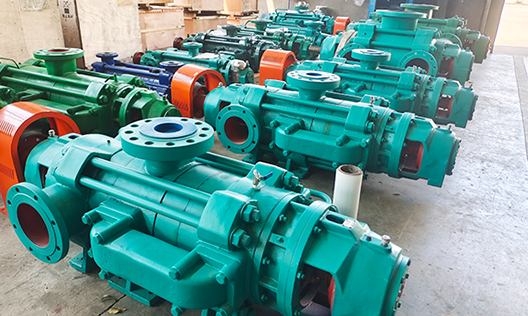
Puede fabricar 26 series de productos, incluyendo bombas de circulación para grandes centrales eléctricas, bombas de condensación para grandes centrales eléctricas, bombas petroquímicas, bombas multietapa, bombas de aguas residuales y lodo, bombas multietapa autoequilibradas, bombas de doble succión y única etapa tipo split, y bombas centrífugas de succión simple y única etapa.
-
Cases
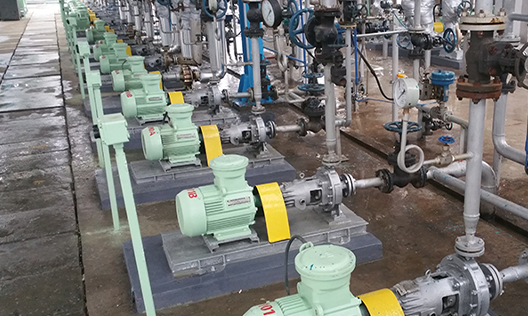
La elección de más de cientos de miles de clientes, cubriendo industrias como minería de carbón, metalurgia, química, energía, recursos hídricos, alimentos, municipalidades y protección ambiental, y exportando a Asia Sudeste, África, América y otros lugares.
-
Service
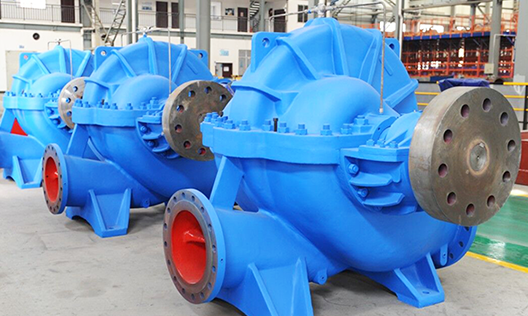
La empresa fue la primera en la industria en obtener las certificaciones internacionales del sistema de calidad ISO 9001:2008, del sistema de gestión ambiental ISO 14001 y del sistema de gestión de seguridad y salud ocupacional GB/T 28001, además de la certificación API 610 de la Asociación Estadounidense del Petróleo.
-
About us
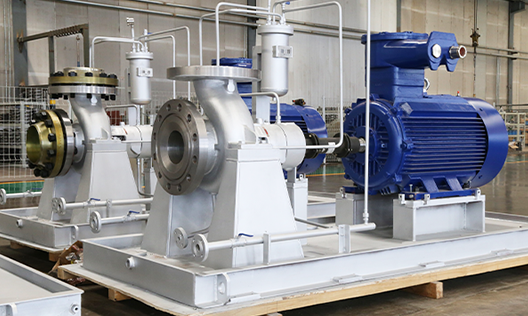
La empresa, fundada en 1989, es una empresa nacional de alta tecnología integral que integra diseño, investigación y desarrollo, fabricación y servicios; actualmente es una empresa clave en la industria china de bombas centrífugas y una de las grandes fábricas especializadas.
-

Blogs
Con productos innovadores, calidad excepcional y servicios integrales, buscamos la verdad y la pragmática, avanzamos con iniciativa, y nos esforzamos por lograr el objetivo de ser "la marca líder en el campo de aplicación de bombas centrífugas en el país"! Raigada en Hunan, orientada a todo el país y hacia el mundo!
Causes and Solutions for the Fluctuating Speed of Self-Balancing Multi-Stage Centrifugal Pumps for Mining Applications
Publication Date:
2025-12-31
Author:
Source:


The self-balancing multi-stage centrifugal pump for mining is a type of... Self-balancing multistage centrifugal pump As the core equipment for mine water supply and drainage as well as tailings transportation, the stability of its rotational speed directly determines the efficiency of material conveyance, the balance of system pressure, and the operational safety of the equipment. Underground mine. / The ground conditions are complex, and some equipment frequently exhibits abnormal fluctuations in rotational speed—sometimes speeding up and sometimes slowing down. This not only causes fluctuations in the pump’s head and a sharp increase in energy consumption but can also trigger cascading failures such as pipeline surges and damage to mechanical seals. In severe cases, this can significantly reduce the efficiency of mine drainage and pose serious risks to safe mining operations. In this article, Mine multistage pump Manufacturer Changsha Zhonglian Pump Industry Based on the structural characteristics of self-balancing mining pumps and the specific operating conditions in mines, this study provides an in-depth analysis of the causes behind the fluctuating rotational speeds of self-balancing multistage centrifugal pumps used in mining applications, as well as effective solutions. This analysis serves as a technical reference for equipment operation and maintenance in mining enterprises.
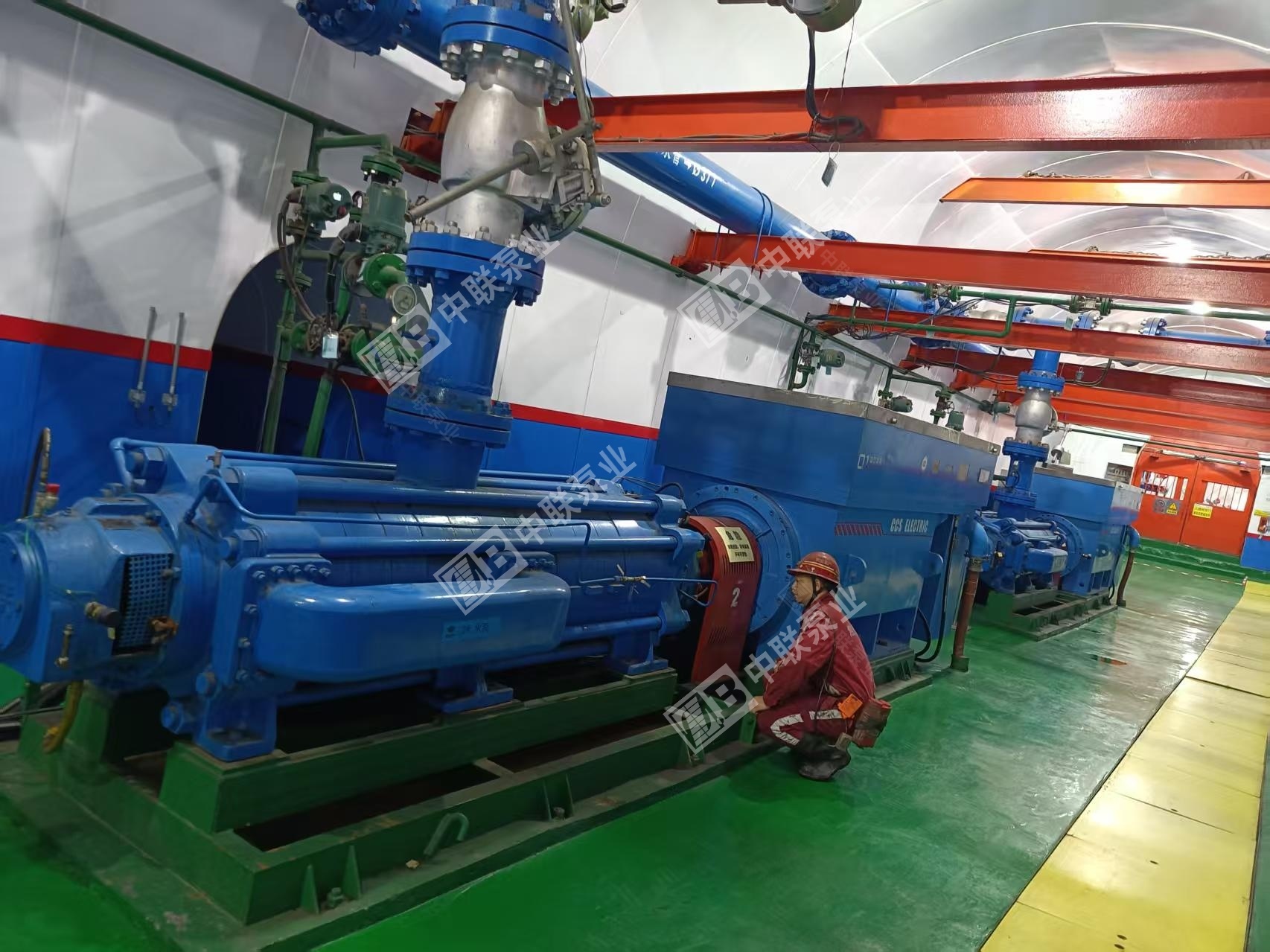
Please click on the image to learn more about Changsha Zhonglian Pump Industry. Self-balancing multi-stage centrifugal pump for mining 】Model Specifications and Product Details
I. The Core Reason for the Fluctuating Speed of Self-Balancing Multi-Stage Centrifugal Pumps for Mining Applications
Voltage fluctuations and disturbances in mine power systems: Mine power grids often connect high-power mining equipment, hoists, and other devices. When these devices are started or stopped, they can easily cause sudden voltage surges and dips, as well as frequency deviations. Meanwhile, underground power lines are long and suffer significant losses. If cables become aged or terminal connections loosen, it can lead to unstable power supply to pump motors, thereby triggering fluctuations in rotational speed. This is one of the most common causes in mining environments.
Decreased adaptability or failure of the transmission system: If abnormalities occur in the transmission structure (belt drive or coupling drive) of a self-balancing mining pump, this will directly affect the stability of the rotational speed. For instance, in belt drives, uneven belt tension, belt aging and cracking, or belt slippage can all lead to instability; in coupling drives, wear of the elastic pads, excessive deviation in coaxial alignment, or failures at the drive end—such as damaged motor bearings or rotor imbalance—can also cause unstable power transmission, resulting in fluctuations in rotational speed, sometimes speeding up and sometimes slowing down abruptly.
Fluid load experiences drastic fluctuations: Mining transport media (such as tailings slurry and underground water inflow) often contain solid particles, and the pipeline system may feature multiple branches and long-distance transportation. If the medium concentration changes abruptly or the pipeline becomes blocked, this can lead to significant operational challenges. / Leaks and frequent valve operations can cause drastic fluctuations in the pump’s suction and discharge pressures, resulting in fluid loads that exceed the pump’s designed operating range and subsequently triggering passive fluctuations in the pump shaft speed.
Abnormalities in the Control and Speed Regulation System: Multi-Unit Self-Balancing Mine Pumps PLC The control system and the frequency converter work together to achieve speed regulation. If the frequency converter parameters are set improperly (such as... PID Improper adjustment of parameters, mismatched carrier frequency, module aging, poor heat dissipation; or PLC Signal transmission interference (due to the complex electromagnetic environment in mines), sensors (pressure) / Data distortion from the flow sensor can lead to deviations in the execution of speed control commands, causing fluctuations in rotational speed.
Lack of equipment self-maintenance: After prolonged operation, the pump bearing wears out, the balance disc clearance becomes excessive, and the impeller accumulates scale. / Uneven wear can cause the pump shaft's operating resistance to fluctuate—sometimes high, sometimes low. Meanwhile, damage to seals leading to medium leakage can also indirectly affect load balance, ultimately resulting in unstable rotational speed.
II. Targeted Solutions
Optimize the stability of the power supply system:
Equip the self-balancing mining pump with an independent power supply circuit to avoid sharing lines with high-power equipment. Install a three-phase voltage regulator and a power filter to suppress voltage fluctuations and harmonic interference.
Regularly inspect the condition of the insulation layers of underground power cables and the tightness of wiring terminals. Replace aged cables to reduce power supply abnormalities caused by line losses.
Install a voltage monitoring instrument next to the pump motor to continuously monitor power supply parameters, making it easier to promptly detect any issues.
Troubleshoot and repair transmission system faults:
Belt-driven type: Regularly check the belt tension (ensure the deflection under pressure is within the specified range). 5-10mm (Recommended) Replace aged or cracked belts; adjust the alignment of belt pulleys to prevent uneven wear and slippage.
Coupling-driven type: Regularly inspect the wear condition of the elastic pads and replace them promptly. Use a laser alignment tool to ensure the coaxiality between the motor shaft and the pump shaft (deviation ≤). 0.05mm ), reduce transmission impact.
Regularly inspect and service motor bearings, replace the lubricant, ensure smooth rotor operation, and prevent failure propagation to the drive end.
Steady Fluid Load and Piping System:
Optimize the medium delivery process to prevent sudden changes in medium concentration. Install filters at the pump inlet and regularly clean blockages in the pipelines to reduce fluctuations in flow resistance.
Install additional equipment such as buffer tanks and pressure-regulating valves to absorb pressure surges in the pipeline. Avoid frequent valve starts and stops; instead, adopt a gradual adjustment approach to smoothly control flow rate and pressure.
Regularly check the sealing of pipelines and promptly repair any leak points to prevent load imbalance from causing fluctuations in rotational speed.
Maintenance and Optimization of the Speed Control System:
Regularly clean the inverter’s cooling fan and filter, check the module status, and recalibrate. PID Adjust the parameters (combined with mine operating conditions to optimize response speed); avoid installing the frequency converter in close proximity to strong electromagnetic equipment to reduce signal interference.
Verification PLC Input and output signals, check pressure / Improve the accuracy of the flow sensor and replace aging sensors. Implement moisture- and dust-proofing measures for the control system (to suit the humid and dusty environment of mines).
Back up control system parameters, perform regular software maintenance and upgrades, and ensure precise execution of instructions.
Strengthen daily maintenance and upkeep of equipment:
Regularly inspect bearing wear and the clearance of the balance disc according to the equipment manual, ensuring that the clearance remains within the design range. 0.1-0.3mm ), promptly replace worn parts; regularly apply dedicated grease to ensure that moving parts are adequately lubricated.
Regularly clean the impeller to address scaling and uneven wear, and perform dynamic balancing checks. Inspect the condition of vulnerable components such as mechanical seals and shaft sleeves to prevent medium leakage from compromising operational stability.
Develop a mine-specific maintenance plan (in conjunction with underground operations) / Differences in ground operating conditions) shorten the maintenance cycle under high-load operating conditions.
Add a real-time monitoring and early warning mechanism:
Install equipment such as rotational speed monitors, vibration analyzers, and current/voltage meters to collect operational data in real time. Set up anomaly threshold alarm functions to facilitate early detection of potential risks associated with rotational speed fluctuations.
Build an equipment operation and maintenance management platform to record the patterns of rotational speed fluctuations and correlate them with fault data, providing a basis for subsequent targeted maintenance.
Relying on a professional team to diagnose complex faults:
For the issue of rotational speed fluctuations that remain unresolved despite multiple troubleshooting attempts, contact the equipment manufacturer or a professional team with qualified expertise in mining pump maintenance. Use specialized testing equipment—such as a spectrum analyzer—to conduct a thorough diagnosis and avoid causing secondary damage through blind repairs.
III. Summary
The core factors causing the fluctuating speed of self-balancing, multi-stage centrifugal pumps used in mining are concentrated in four key dimensions: “power supply stability,” “transmission system compatibility,” “load balancing,” and “control system accuracy.” These factors are closely related to the complex power supply, medium, and environmental conditions found in mining operations. Mining enterprises need to tailor their approach based on the actual operating conditions of the equipment, adopting a strategy that emphasizes “prevention first, precise troubleshooting, and professional maintenance.” By implementing targeted measures such as optimizing power supply, calibrating the transmission system, stabilizing the load, and conducting thorough inspections and maintenance of the control system, they can effectively address the issue of speed fluctuations.
If you need customized solutions tailored to specific mine operating conditions—such as high-concentration tailings transportation or underground environments with high temperature and high humidity—or would like to learn more about selecting and maintaining self-balancing mining pumps, please contact our expert technical team. We’re here to help mines enhance equipment operational stability and production efficiency.
Recommended Information


Related Products
Perhaps you also want to know?
Zoomlian Pump Industry
Address:No. 210, Environmental Protection Middle Road, Yuhua Economic Development Zone, Changsha City, Hunan Province China
All rights reserved © Changsha Zoomlian Pump Co., Ltd.
This website supports IPv4 IPv6 bidirectional access
Website construction:Zhongqi Power Changsha