

-
Products
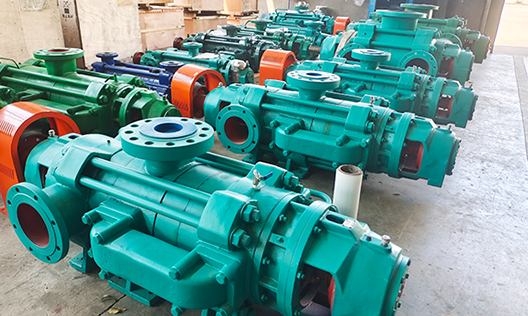
Puede fabricar 26 series de productos, incluyendo bombas de circulación para grandes centrales eléctricas, bombas de condensación para grandes centrales eléctricas, bombas petroquímicas, bombas multietapa, bombas de aguas residuales y lodo, bombas multietapa autoequilibradas, bombas de doble succión y única etapa tipo split, y bombas centrífugas de succión simple y única etapa.
-
Cases
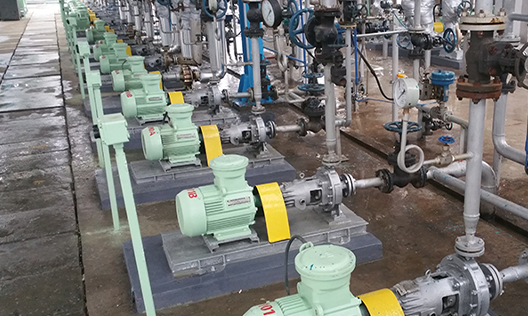
La elección de más de cientos de miles de clientes, cubriendo industrias como minería de carbón, metalurgia, química, energía, recursos hídricos, alimentos, municipalidades y protección ambiental, y exportando a Asia Sudeste, África, América y otros lugares.
-
Service
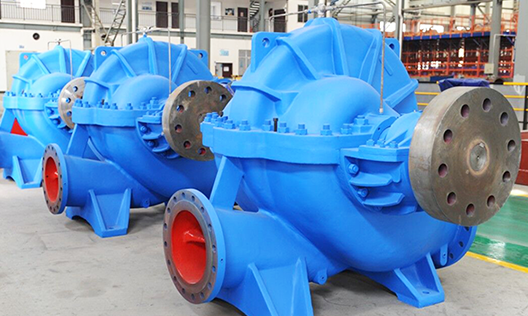
La empresa fue la primera en la industria en obtener las certificaciones internacionales del sistema de calidad ISO 9001:2008, del sistema de gestión ambiental ISO 14001 y del sistema de gestión de seguridad y salud ocupacional GB/T 28001, además de la certificación API 610 de la Asociación Estadounidense del Petróleo.
-
About us
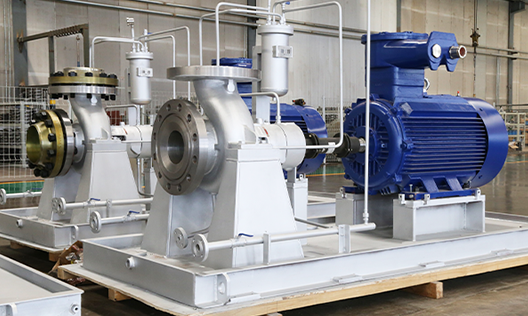
La empresa, fundada en 1989, es una empresa nacional de alta tecnología integral que integra diseño, investigación y desarrollo, fabricación y servicios; actualmente es una empresa clave en la industria china de bombas centrífugas y una de las grandes fábricas especializadas.
-

Blogs
Con productos innovadores, calidad excepcional y servicios integrales, buscamos la verdad y la pragmática, avanzamos con iniciativa, y nos esforzamos por lograr el objetivo de ser "la marca líder en el campo de aplicación de bombas centrífugas en el país"! Raigada en Hunan, orientada a todo el país y hacia el mundo!
Key Operating Points, Maintenance Standards, and Safety Precautions for Horizontal Multistage Chemical Pumps Used in Petrochemical Industry
Publication Date:
2025-12-26
Author:
Source:


The petrochemical industry encompasses numerous sophisticated process stages. As a core fluid-handling device, multistage pumps play a crucial role in ensuring the continuous nature of production, operational efficiency, and on-site safety. Therefore, mastering the correct operating procedures for horizontal multistage chemical pumps used in the petrochemical industry is a key prerequisite for maintaining stable industrial production. Below, Changsha Zhonglian Pump Industry, a leading manufacturer of multistage pumps, has compiled for you detailed guidelines on the proper operation, maintenance standards, and safety precautions for horizontal multistage chemical pumps specifically designed for the petrochemical sector—providing valuable reference material for user organizations.

I. Core Preparations Before Use
1. Equipment Selection and Matching Verification
Before putting a multistage pump into operation, it is essential to ensure that its performance parameters are fully compatible with the process flow, medium characteristics, and supporting equipment. —— Key indicators—including flow rate, head, and rated pressure—must meet production requirements to prevent pump overload, insufficient efficiency, or production interruptions caused by improper selection. In particular, for corrosive media and high-temperature, high-pressure fluids commonly encountered in the petrochemical industry, it is essential to confirm in advance whether the pump material (such as corrosion-resistant alloys or lining materials) is compatible with the specific medium.
2. In-depth study of the product manual
Be sure to carefully study the multistage pump user manual provided by the manufacturer, clearly understanding the equipment’s basic structure (such as the impeller, shaft system, and sealing devices), the rated parameter ranges, operational limitations, and special precautions. This will help prevent equipment failures caused by misinterpretations or misunderstandings during operation.
II. Installation and Commissioning Specification Requirements
The installation of multistage pumps must strictly follow the manufacturer’s recommended procedures. The key points include:
1. The installation foundation must be level and stable, ensuring a firm connection between the pump body and the base to minimize the transmission of operational vibrations.
2. Pipe connections must be precisely aligned, and the flange sealing surfaces must be clean and free of damage to prevent medium leakage. At the same time, ensure that the inlet and outlet pipelines are reliably supported to avoid transferring pipeline stresses to the pump body.
3. After installation, a systematic commissioning procedure is required: Before powering on, check the rotor’s rotational flexibility and whether the lubrication system is functioning properly. After starting up, observe the pump’s operational stability, paying particular attention to identifying any abnormal noises, severe vibrations, or seal leaks. Only after confirming that all indicators meet the operational standards can the equipment be put into service.
III. Standardized Procedure for Start-Up and Shut-Down Operations
1. Startup procedure
Before starting the pump, close the outlet valve (to reduce the starting load and protect the motor), check whether the pump is adequately filled with the medium (to prevent dry running), and ensure that the lubrication and sealing systems are functioning properly before energizing the motor. Once the pump has stabilized (reaching the required speed and pressure), gradually open the outlet valve and adjust it to the flow rate needed for production.
2. Stop operation steps
Before shutting down the pump, first gradually close the outlet valve to reduce the pump’s operating load. Once the flow rate has dropped to its minimum, disconnect the motor power supply. After shutdown, promptly close the inlet and outlet pipeline valves to prevent backflow of the medium or ingress of impurities into the pump body.
IV. Key Points for Real-Time Monitoring During Operation
During the operation of multistage pumps, a regular inspection mechanism must be established, with particular emphasis on monitoring the following indicators:
1. Vibration and Noise: The vibration amplitude of the pump body must be kept within the range specified by the manufacturer, with no noticeable abnormal noises or impact sounds.
2. Temperature parameters: Bearing temperature, pump casing temperature, and medium outlet temperature must be maintained within the rated range to prevent operation at excessive temperatures.
3. Flow and Pressure: Monitor in real time using instruments to ensure that the flow rate does not exceed the equipment’s rated value and that the pressure remains stable without significant fluctuations.
4. Sealed condition: Check the shaft seal and flange connections for any medium leakage. If leakage is detected, it must be addressed promptly.
V. Detailed Implementation Rules for Regular Maintenance and Servicing
1. Core Component Inspection and Replacement
Regularly inspect and maintain the critical wear parts of multistage pumps, including bearing wear levels and seals (mechanical seals). / Integrity of the packing seal, as well as the condition of impeller corrosion and scaling; regularly replace lubricating oil (or grease) according to the manufacturer’s requirements, ensuring that the lubrication system remains clean and adequately supplied with oil, thereby preventing dry friction that could damage the shaft assembly.
2. Equipment Cleaning and Condition Maintenance
Regularly clean the exterior of the pump housing, removing dust, residual media, and debris from pipelines to keep the equipment clean. At the same time, check the tightness of fasteners and promptly tighten any loose components to prevent increased vibration that could lead to malfunctions.
VI. Key Contraindications and Safety Precautions
1. Strictly prohibited: Operating or performing actions in violation of regulations.
- Operation under no-load conditions is prohibited: Running a multistage pump under no-load conditions can easily cause the impeller to spin freely, generating heat and leading to dry friction damage of the seals. Long-term operation under no-load conditions is strictly forbidden.
- Prevent overloading: Strictly control operating flow and pressure within the rated range to avoid motor burnout and pump damage caused by overload.
- Preventing Corrosion Risks: For corrosive media, it is necessary to regularly inspect the inner walls of the pump body and the impeller for signs of corrosion, promptly replace any aged or corroded components, and upgrade to corrosion-resistant materials when needed.
2. Follow safety operating procedures.
Operators must strictly adhere to the safety operating procedures for the petrochemical industry and wear necessary protective equipment (such as corrosion-resistant gloves and safety goggles). During equipment operation, do not disassemble or inspect the equipment without authorization. Before performing maintenance, be sure to disconnect the power supply and drain the medium to ensure operational safety.
In short, the stable operation of multistage chemical pumps in the petrochemical industry depends on standardized operations throughout the entire process. —— From selection and matching to installation and commissioning, and from operational monitoring and maintenance to upkeep, every single step must adhere to professional standards. Only by rigorously implementing the above-mentioned operational requirements can we fully harness the equipment performance of multistage pumps, extend their service life, and provide a core guarantee for efficient and safe production in the petrochemical industry.
Recommended Information


Related Products
Perhaps you also want to know?
Zoomlian Pump Industry
Address:No. 210, Environmental Protection Middle Road, Yuhua Economic Development Zone, Changsha City, Hunan Province China
All rights reserved © Changsha Zoomlian Pump Co., Ltd.
This website supports IPv4 IPv6 bidirectional access
Website construction:Zhongqi Power Changsha