

-
Products
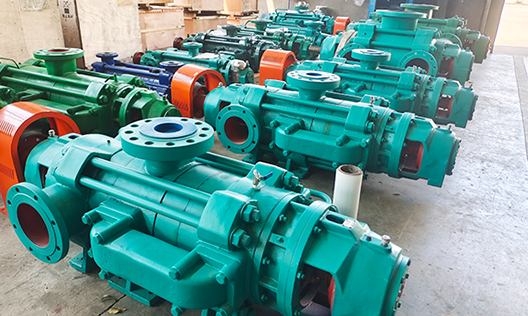
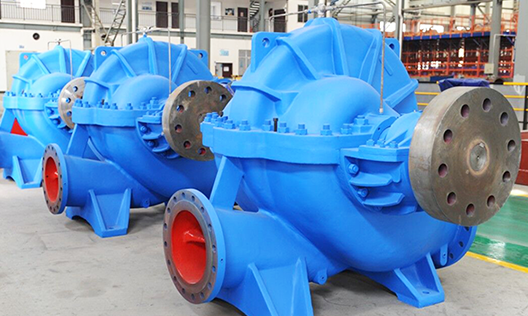
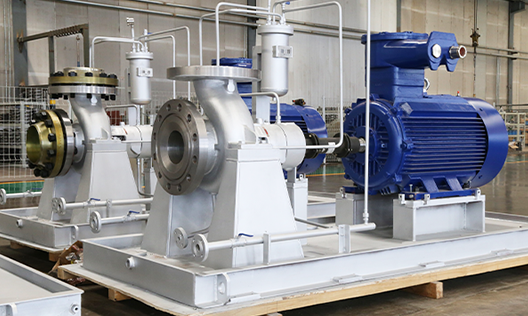
Puede fabricar 26 series de productos, incluyendo bombas de circulación para grandes centrales eléctricas, bombas de condensación para grandes centrales eléctricas, bombas petroquímicas, bombas multietapa, bombas de aguas residuales y lodo, bombas multietapa autoequilibradas, bombas de doble succión y única etapa tipo split, y bombas centrífugas de succión simple y única etapa.
-
Cases
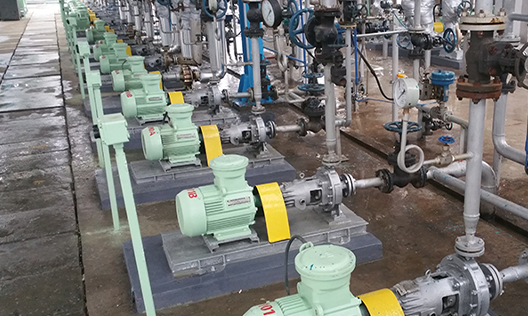
La elección de más de cientos de miles de clientes, cubriendo industrias como minería de carbón, metalurgia, química, energía, recursos hídricos, alimentos, municipalidades y protección ambiental, y exportando a Asia Sudeste, África, América y otros lugares.
-
Service
La empresa fue la primera en la industria en obtener las certificaciones internacionales del sistema de calidad ISO 9001:2008, del sistema de gestión ambiental ISO 14001 y del sistema de gestión de seguridad y salud ocupacional GB/T 28001, además de la certificación API 610 de la Asociación Estadounidense del Petróleo.
-
About us
La empresa, fundada en 1989, es una empresa nacional de alta tecnología integral que integra diseño, investigación y desarrollo, fabricación y servicios; actualmente es una empresa clave en la industria china de bombas centrífugas y una de las grandes fábricas especializadas.
-

Blogs
Con productos innovadores, calidad excepcional y servicios integrales, buscamos la verdad y la pragmática, avanzamos con iniciativa, y nos esforzamos por lograr el objetivo de ser "la marca líder en el campo de aplicación de bombas centrífugas en el país"! Raigada en Hunan, orientada a todo el país y hacia el mundo!
Principles and Operation Methods & Steps for Priming the Pump Before Starting a Multistage Pump
Publication Date:
2025-12-17
Author:
Source:


In the field of industrial fluid transport, multi-stage Centrifugal pump It is a critical piece of equipment for boosting liquid pressure and enabling long-distance or high-head pumping. However, one fundamental operational principle is often overlooked: most standard multistage centrifugal pumps do not have self-priming capability. Their operating principle relies on the pump casing being pre-filled with liquid; as the impeller rotates at high speed, it generates centrifugal force, thereby creating a vacuum that draws liquid into the pump. If air is present in the pump casing, due to air’s compressibility, the necessary vacuum cannot be established, causing the pump to run dry and fail to deliver liquid properly. In severe cases, this can even damage the mechanical seal and bearings. In this article, the manufacturer of multistage pumps... Changsha Zhonglian Pump Industry Let me now introduce the principle and operational procedures for priming and filling with water before starting a multistage pump, for reference by user organizations.

Therefore, before starting a multistage pump for the first time or after it has been drained and is being restarted, it is essential to perform priming—i.e., to inject the working fluid into the pump body and the suction piping—to completely remove any air. This step is crucial for ensuring the pump starts safely and efficiently.
Depending on site conditions and the pump model, there are two main conventional methods for priming the pump:
1. Artificial Gravity Irrigation Method
This is the most common and basic method, suitable for most small- and medium-sized multistage pump systems.
Operating steps:
1. Close the outlet valve: This prevents the injected water from flowing directly out through the outlet.
2. Open the air vent valve: Locate the air vent valve (or air vent screw plug) at the top of the pump housing, and open it fully.
3. Slowly fill the pump: Slowly inject liquid into the pump through the dedicated filling funnel at the pump’s inlet or via the discharge pipeline. For systems equipped with a foot valve, water can also be added through the inlet of the suction pipeline.
4. Confirm that all air has been purged: Continue filling with water until the air vent valve steadily discharges a continuous stream of water free of bubbles. This indicates that all air inside the pump has been completely expelled.
5. Close the valve: Immediately close the vent valve and the water inlet after confirming that the air has been fully exhausted.
2. Vacuum-assisted water drawing method
This method is more efficient and thorough for large pump systems, long suction pipelines, or situations where manual water filling is inconvenient.
Operating steps:
1. Ensure the system is sealed: Close the pump’s outlet valve and confirm that the entire suction piping system is properly sealed.
2. Connect the vacuum pump: Attach the vacuum pump’s suction line to the exhaust valve port on the top of the pump housing.
3. Start the vacuum pump: Turn on the vacuum pump to remove air from the pump casing and the suction line. Observe the vacuum gauge reading and ensure it reaches a specified degree of vacuum.
4. Start the multistage pump: While maintaining the vacuum level, quickly start the multistage pump. After the pump is started, the vacuum pump can continue running for a short while to help completely fill the pump body with liquid. Then, turn off the vacuum pump and disconnect it.
Properly performing priming operations is the first step toward ensuring the safe and stable operation of multistage pumps. Operators must understand the underlying principles and select the most appropriate method based on site conditions. At the same time, fully taking into account the limitations of suction lift and rationally designing the pump installation height are crucial for preventing cavitation and guaranteeing the pump’s long-term, efficient performance.
Recommended Information


Related Products
Perhaps you also want to know?
Zoomlian Pump Industry
Address:No. 210, Environmental Protection Middle Road, Yuhua Economic Development Zone, Changsha City, Hunan Province China
All rights reserved © Changsha Zoomlian Pump Co., Ltd.
This website supports IPv4 IPv6 bidirectional access
Website construction:Zhongqi Power Changsha