

-
Products
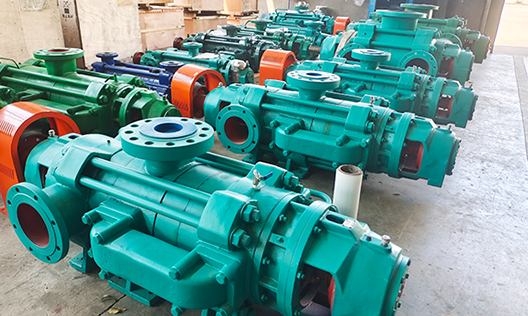
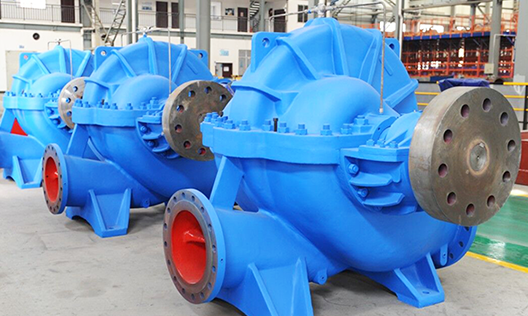
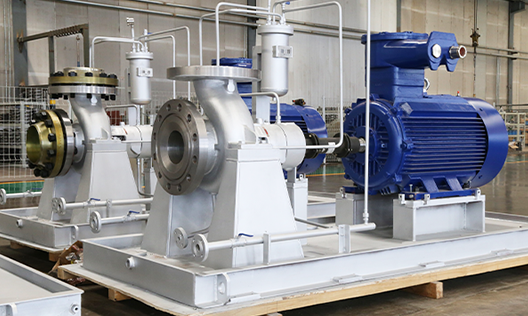
Puede fabricar 26 series de productos, incluyendo bombas de circulación para grandes centrales eléctricas, bombas de condensación para grandes centrales eléctricas, bombas petroquímicas, bombas multietapa, bombas de aguas residuales y lodo, bombas multietapa autoequilibradas, bombas de doble succión y única etapa tipo split, y bombas centrífugas de succión simple y única etapa.
-
Cases
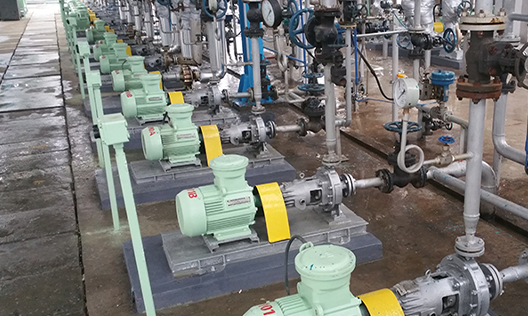
La elección de más de cientos de miles de clientes, cubriendo industrias como minería de carbón, metalurgia, química, energía, recursos hídricos, alimentos, municipalidades y protección ambiental, y exportando a Asia Sudeste, África, América y otros lugares.
-
Service
La empresa fue la primera en la industria en obtener las certificaciones internacionales del sistema de calidad ISO 9001:2008, del sistema de gestión ambiental ISO 14001 y del sistema de gestión de seguridad y salud ocupacional GB/T 28001, además de la certificación API 610 de la Asociación Estadounidense del Petróleo.
-
About us
La empresa, fundada en 1989, es una empresa nacional de alta tecnología integral que integra diseño, investigación y desarrollo, fabricación y servicios; actualmente es una empresa clave en la industria china de bombas centrífugas y una de las grandes fábricas especializadas.
-

Blogs
Con productos innovadores, calidad excepcional y servicios integrales, buscamos la verdad y la pragmática, avanzamos con iniciativa, y nos esforzamos por lograr el objetivo de ser "la marca líder en el campo de aplicación de bombas centrífugas en el país"! Raigada en Hunan, orientada a todo el país y hacia el mundo!
Six Core Reasons for Insufficient Flow in Wear-Resistant, Self-Balancing Centrifugal Pumps Used in Mining Applications—and Troubleshooting Methods
Publication Date:
2025-11-18
Author:
Source:


The wear-resistant, self-balancing centrifugal pump for mining applications is widely used in industrial water supply, mine drainage, and other scenarios. However, operators often face the issue of a sudden drop in water output. This phenomenon is not caused by a single factor but stems from systemic problems spanning multiple stages, including equipment selection, component quality, installation, and operational practices. Below, Changsha Zhonglian Pump Industry, a leading manufacturer of mining pumps, shares, based on industry experience, a detailed explanation of the six key reasons behind insufficient flow in wear-resistant, self-balancing centrifugal mining pumps—and provides practical troubleshooting methods to address these issues.
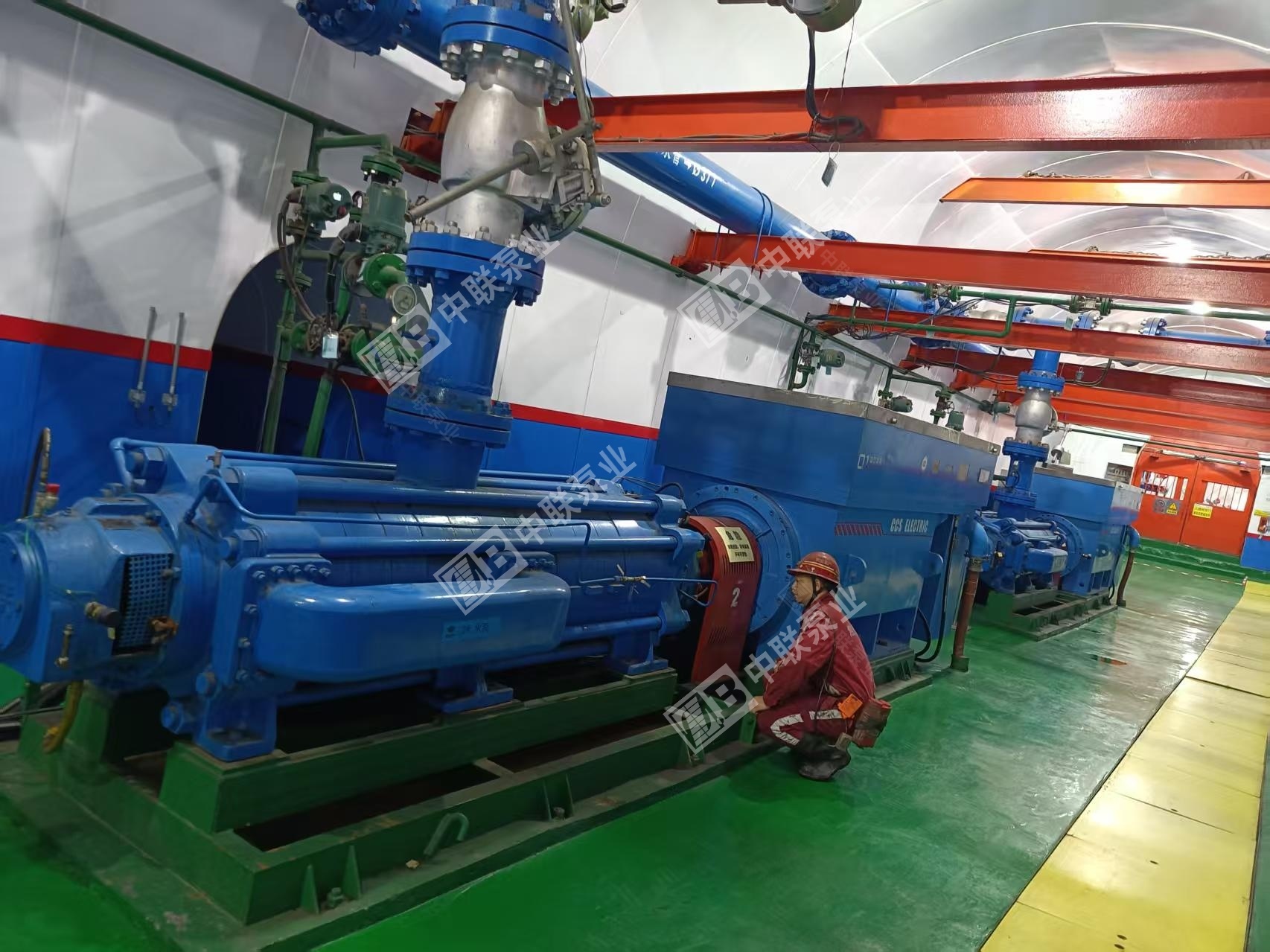
1. Deviation in Selection and Operational Condition Matching
Some users mistakenly attribute insufficient flow to pump failure, when in fact the root cause may lie in an initial misstep during pump selection. If the selection process fails to accurately calculate the system’s actual operating conditions and requirements, the pump’s rated flow rate could end up being lower than the actual delivery needs on-site—resulting in the awkward situation of "using a small horse to pull a heavy cart." For instance, if the head loss caused by pipe bends and valves is overlooked, and the pump is selected solely based on theoretical flow rates, the system may experience reduced flow during operation due to inadequate energy supply. In such cases, it becomes necessary to re-evaluate the operational parameters and choose a more suitable pump model instead.
II. Impeller System Abnormality
Impeller As the core component responsible for energy conversion in the pump, its condition directly determines the flow rate output. After prolonged operation, the impeller blades are prone to wear, corrosion, or edge damage caused by medium erosion, which ultimately reduces the efficiency of liquid work and leads to a gradual decline in flow. Even more often overlooked is the issue of rotational speed: according to the affinity laws of centrifugal pumps, flow rate is directly proportional to rotor speed. Therefore, if the impeller becomes loosely connected to the motor shaft, if variable-frequency speed-control parameters deviate from normal settings, or if the motor fails to deliver adequate speed, insufficient kinetic energy will result in a lower-than-expected water output. Additionally, blockages in the impeller passages caused by impurities can severely hinder fluid flow, necessitating regular disassembly and cleaning to maintain optimal performance.
3. Abnormal Resistance in the Piping System
Piping systems are the "blood vessels" of fluid transport, and their design and condition significantly influence flow rates. Common issues include: pipe diameters that are too small, excessively long piping runs, or an overabundance of bends and valves—leading to a cumulative effect of frictional and minor losses that exceed the pump's capacity to overcome them. Additionally, roughness caused by rust, scaling, or debris buildup on the inner pipe walls can further reduce the effective flow area. Even more subtle is the "air pocket" problem: if the suction line contains locally elevated sections, air tends to accumulate there, creating air resistance that disrupts fluid flow entirely. When troubleshooting, it’s crucial to carefully inspect the pipeline layout, assess the condition of the inner walls, and identify any blockage points.
4. Sealing Failure Triggers Air Intake
A decline in the pump body's sealing performance is a frequent cause of sudden flow reduction, and its root cause lies in the "air binding" phenomenon: When mechanical seals age, stuffing boxes loosen, or flange connections develop poor sealing, air can seep into the pump through these gaps. Since air is much less dense than liquid, the impeller loses its ability to efficiently transfer energy, leading to "vacuum cavitation"—a condition where the pump essentially runs dry despite being pressurized. This manifests as a sharp drop in flow rate, violent fluctuations in the pressure gauge needle, and is often accompanied by abnormal vibrations and unusual noises from the pump body. In particular, in vertical multistage pumps, excessively high suction lift or insufficient submergence depth of the bottom valve can significantly increase the risk of air intake. Therefore, it’s crucial to conduct pressure tests to pinpoint any potential leak locations.
5. Drive System Failure
Electric motor As a power source, its performance directly and significantly affects the pump's operational status. The core issues fall into two main categories: First, there’s an imbalance in power matching—when the motor’s output power is insufficient due to its undersized capacity, resulting in inadequate torque to drive the impeller up to its rated speed. Second, poor power supply stability causes voltage fluctuations or three-phase imbalances, leading to erratic motor speed changes and, consequently, unstable flow rates. Additionally, faults such as motor bearing wear or winding burnout can indirectly reduce driving force, necessitating the detection of parameters like current and rotational speed to pinpoint the exact failure points.
6. Improper Operation and Maintenance
Improper operation and maintenance will gradually degrade pump performance: Failing to thoroughly bleed air before startup (i.e., "dry starting") can lead to seal burnout and impeller damage, indirectly affecting flow rate. Additionally, prolonged failure to replace aged packing or clean filters may result in air entering the seal or clogging the pipeline. Moreover, if a variable-frequency control system is used but speed parameters are set improperly—such as falling below the critical value of the efficient operating range—it can also cause reduced flow and increased energy consumption. Regular maintenance tasks like bleeding, component replacement, and sediment removal can effectively prevent these issues from occurring.
When encountering the issue of insufficient flow in wear-resistant, self-balancing centrifugal pumps used in mining applications, users must promptly investigate and address the problem to prevent inadequate drainage from jeopardizing mine safety and causing potential losses—both in terms of personnel and property—for your company. If you require technical assistance with this issue, feel free to click here. Online Customer Service Or call 15616442288 (WeChat number also works) for inquiries.
Previous:
Recommended Information


Related Products
Perhaps you also want to know?
Zoomlian Pump Industry
Address:No. 210, Environmental Protection Middle Road, Yuhua Economic Development Zone, Changsha City, Hunan Province China
All rights reserved © Changsha Zoomlian Pump Co., Ltd.
This website supports IPv4 IPv6 bidirectional access
Website construction:Zhongqi Power Changsha