

-
Products
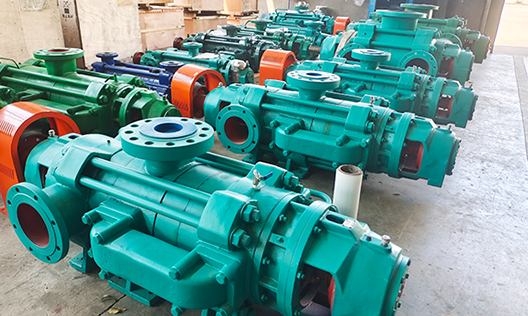
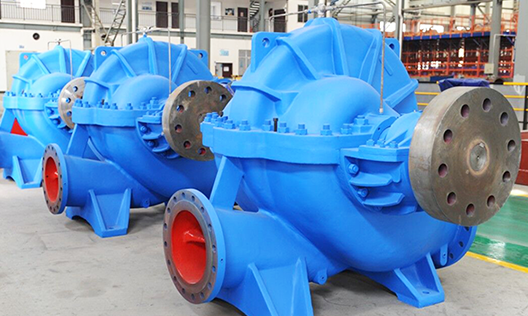
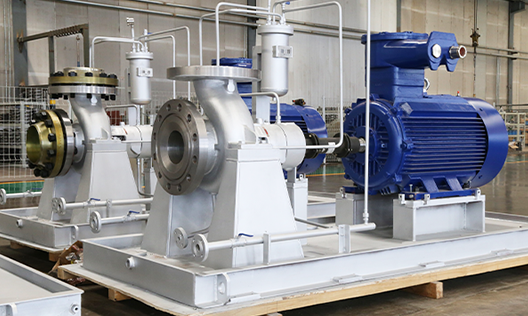
Puede fabricar 26 series de productos, incluyendo bombas de circulación para grandes centrales eléctricas, bombas de condensación para grandes centrales eléctricas, bombas petroquímicas, bombas multietapa, bombas de aguas residuales y lodo, bombas multietapa autoequilibradas, bombas de doble succión y única etapa tipo split, y bombas centrífugas de succión simple y única etapa.
-
Cases
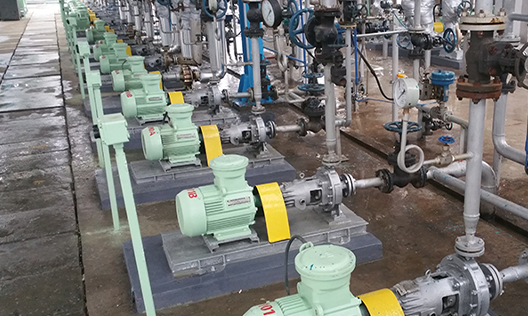
La elección de más de cientos de miles de clientes, cubriendo industrias como minería de carbón, metalurgia, química, energía, recursos hídricos, alimentos, municipalidades y protección ambiental, y exportando a Asia Sudeste, África, América y otros lugares.
-
Service
La empresa fue la primera en la industria en obtener las certificaciones internacionales del sistema de calidad ISO 9001:2008, del sistema de gestión ambiental ISO 14001 y del sistema de gestión de seguridad y salud ocupacional GB/T 28001, además de la certificación API 610 de la Asociación Estadounidense del Petróleo.
-
About us
La empresa, fundada en 1989, es una empresa nacional de alta tecnología integral que integra diseño, investigación y desarrollo, fabricación y servicios; actualmente es una empresa clave en la industria china de bombas centrífugas y una de las grandes fábricas especializadas.
-

Blogs
Con productos innovadores, calidad excepcional y servicios integrales, buscamos la verdad y la pragmática, avanzamos con iniciativa, y nos esforzamos por lograr el objetivo de ser "la marca líder en el campo de aplicación de bombas centrífugas en el país"! Raigada en Hunan, orientada a todo el país y hacia el mundo!
Understanding Long Shaft Pumps: Applications, Benefits, and Considerations
Publication Date:
2025-11-15
Author:
Source:


One of the primary benefits of long shaft pumps is their ability to operate in challenging environments. The extended shaft enables the pump to position its impeller deeper within the fluid, thus improving efficiency and performance. This feature is particularly advantageous in applications where the fluid levels fluctuate, as it allows the pump to maintain optimal performance levels regardless of changes in liquid height.
Long shaft pumps are commonly utilized in various industries, including agriculture, mining, and wastewater management. In agricultural settings, they are used for irrigation and drainage, ensuring a reliable supply of water for crops. In mining, they play a critical role in removing excess water from mining sites, thereby enhancing safety and operational efficiency. For wastewater treatment facilities, long shaft pumps are essential for transporting sewage and effluents, ensuring that they are moved efficiently during processing.
When selecting a long shaft pump, several factors should be taken into account to ensure that you choose the right model for your specific application. First and foremost, consider the type of fluid being pumped. Different fluids have varying viscosities and chemical compositions, which can affect the pump's performance and longevity. Additionally, the pump's materials of construction should be compatible with the fluid to prevent corrosion and degradation over time.
Another important consideration is the pump's capacity and head requirements. Assessing the flow rate and total dynamic head (TDH) needed for your application will help you select a pump that can meet your demands effectively. It is also essential to evaluate the power source for the pump and ensure it aligns with your operational requirements.
Finally, the installation process and maintenance requirements should not be overlooked. Long shaft pumps often require specific installation techniques and regular upkeep to maintain their efficiency and reliability. Familiarizing yourself with these aspects will help prolong the lifespan of the pump and optimize its performance.
In conclusion, long shaft pumps are invaluable tools in many industrial applications due to their ability to handle challenging pumping tasks effectively. By understanding their benefits and the factors to consider when selecting one, you can make informed decisions that enhance your operational efficiency and ensure successful fluid management in your industry.
Recommended Information



Related Products
Perhaps you also want to know?
Zoomlian Pump Industry
Address:No. 210, Environmental Protection Middle Road, Yuhua Economic Development Zone, Changsha City, Hunan Province China
All rights reserved © Changsha Zoomlian Pump Co., Ltd.
This website supports IPv4 IPv6 bidirectional access
Website construction:Zhongqi Power Changsha