

-
Products
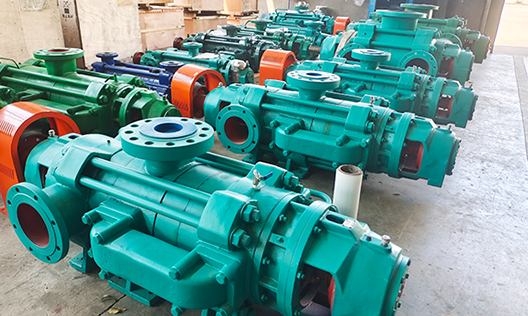
Puede fabricar 26 series de productos, incluyendo bombas de circulación para grandes centrales eléctricas, bombas de condensación para grandes centrales eléctricas, bombas petroquímicas, bombas multietapa, bombas de aguas residuales y lodo, bombas multietapa autoequilibradas, bombas de doble succión y única etapa tipo split, y bombas centrífugas de succión simple y única etapa.
-
Cases
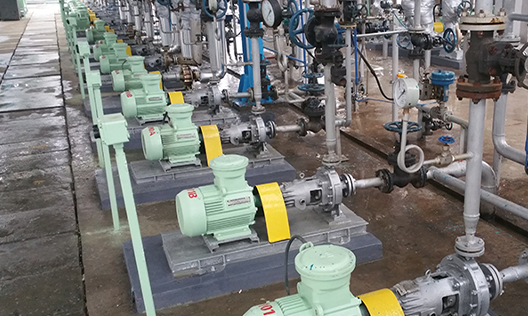
La elección de más de cientos de miles de clientes, cubriendo industrias como minería de carbón, metalurgia, química, energía, recursos hídricos, alimentos, municipalidades y protección ambiental, y exportando a Asia Sudeste, África, América y otros lugares.
-
Service
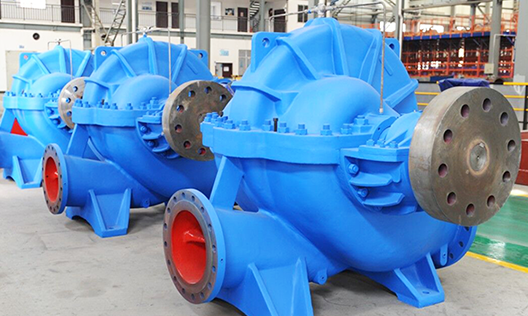
La empresa fue la primera en la industria en obtener las certificaciones internacionales del sistema de calidad ISO 9001:2008, del sistema de gestión ambiental ISO 14001 y del sistema de gestión de seguridad y salud ocupacional GB/T 28001, además de la certificación API 610 de la Asociación Estadounidense del Petróleo.
-
About us
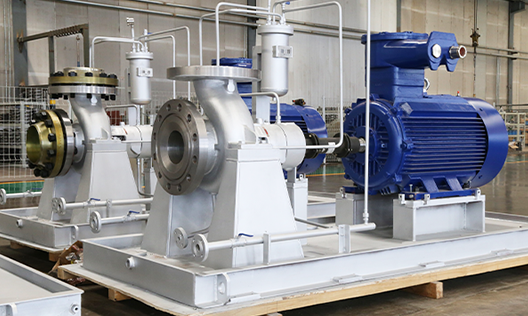
La empresa, fundada en 1989, es una empresa nacional de alta tecnología integral que integra diseño, investigación y desarrollo, fabricación y servicios; actualmente es una empresa clave en la industria china de bombas centrífugas y una de las grandes fábricas especializadas.
-

Blogs
Con productos innovadores, calidad excepcional y servicios integrales, buscamos la verdad y la pragmática, avanzamos con iniciativa, y nos esforzamos por lograr el objetivo de ser "la marca líder en el campo de aplicación de bombas centrífugas en el país"! Raigada en Hunan, orientada a todo el país y hacia el mundo!
Understanding the Benefits of a Single Stage Pump in Industrial Applications
Publication Date:
2025-11-12
Author:
Source:


Understanding the Benefits of a Single Stage Pump in Industrial Applications
Table of Contents
- Introduction to Single Stage Pumps
- What is a Single Stage Pump?
- Advantages of Using Single Stage Pumps in Industrial Applications
- Key Applications of Single Stage Pumps
- Single Stage Pump Design and Operation
- Comparing Single Stage and Multistage Pumps
- Maintenance of Single Stage Pumps
- FAQs about Single Stage Pumps
- Conclusion
Introduction to Single Stage Pumps
Single stage pumps play a crucial role in various industrial applications, offering reliable and efficient fluid handling solutions. Understanding their benefits can help industries make informed decisions regarding their pumping needs. This article delves into the various advantages of single stage pumps, their operational mechanisms, and relevant applications.
What is a Single Stage Pump?
A single stage pump is a type of centrifugal pump that consists of one impeller and one volute. This design allows the pump to move fluids from a lower pressure area to a higher pressure area efficiently. Single stage pumps are commonly used for their simplicity, ease of maintenance, and cost-effectiveness, making them a popular choice in many industrial settings.
How Does a Single Stage Pump Work?
The operational mechanism of a single stage pump is straightforward. The impeller rotates, drawing fluid into the pump through the inlet. As the impeller spins, it imparts kinetic energy to the fluid, converting it into pressure energy as the fluid exits through the discharge. This process is efficient for transferring liquids at moderate flow rates and pressures.
Advantages of Using Single Stage Pumps in Industrial Applications
The benefits of utilizing single stage pumps in industrial applications are extensive. Here are some of the key advantages:
1. Cost-Effectiveness
Single stage pumps are generally more affordable than their multistage counterparts, both in terms of initial investment and maintenance costs. Their simplicity in design means fewer components that may require replacement or repair.
2. High Efficiency
Operating with a single impeller, these pumps can achieve high efficiency levels for specific applications. They are particularly effective for applications that require moderate flow rates and pressures.
3. Compact Design
The compact design of single stage pumps makes them easier to install in spaces with limited room. Their smaller footprint allows for greater flexibility in layout and installation.
4. Ease of Maintenance
Due to their straightforward design, single stage pumps are easier to maintain. Most maintenance tasks, such as seal replacements or impeller inspections, can be performed quickly, minimizing downtime.
5. Versatility
Single stage pumps can handle a wide range of fluids, including water, chemicals, and slurries, making them versatile for various industries and applications.
Key Applications of Single Stage Pumps
Single stage pumps find applications across a variety of industrial sectors. Here are some notable applications:
1. Water Supply and Distribution
Single stage pumps are commonly used in municipal water systems to supply and distribute clean water to residential and commercial areas.
2. Irrigation Systems
Agricultural applications often utilize single stage pumps for irrigation systems, providing farmers with an efficient way to deliver water to crops.
3. Chemical Processing
In the chemical industry, these pumps are employed to transfer various chemicals, including acids and bases, ensuring safe and efficient handling.
4. HVAC Systems
Single stage pumps are integral to heating, ventilation, and air conditioning (HVAC) systems, providing circulation for chilled and hot water in buildings.
5. Fire Protection Systems
Fire protection systems often utilize single stage pumps to ensure a reliable supply of water during emergencies, making them critical for safety.
Single Stage Pump Design and Operation
Understanding the design and operational principles of single stage pumps can provide insights into their effectiveness in industrial applications.
1. Impeller Design
The impeller is a crucial component of single stage pumps, responsible for imparting energy to the fluid. Different designs can optimize the pump for specific applications, such as closed, open, or semi-open impellers.
2. Volute and Diffuser
The volute casing surrounds the impeller, helping to convert the kinetic energy of the fluid into pressure energy. In some designs, a diffuser may be incorporated to further enhance pressure recovery.
3. Bearings and Shaft Seals
Bearings support the rotating shaft, while shaft seals prevent leakage of fluids. The quality and design of these components can significantly impact the pump's reliability and longevity.
4. Motor Selection
Selecting the appropriate motor is essential for optimal pump performance. Motors must match the pump's requirements for flow rate and pressure to ensure efficient operation.
Comparing Single Stage and Multistage Pumps
While single stage pumps offer numerous advantages, it's essential to compare them with multistage pumps to understand their positioning in industrial applications.
1. Performance Capabilities
Multistage pumps excel in applications requiring high pressure and flow rates, making them suitable for processes like boiler feed water. In contrast, single stage pumps perform better in moderate conditions.
2. Complexity and Maintenance
Single stage pumps are simpler and require less maintenance compared to multistage pumps, which have more components that can wear out over time.
3. Cost Considerations
Typically, single stage pumps are less expensive to purchase and operate than multistage pumps, making them a cost-effective choice for many industries.
Maintenance of Single Stage Pumps
Regular maintenance is vital for ensuring the longevity and efficiency of single stage pumps. Here are some best practices:
1. Regular Inspections
Conduct routine inspections to check for signs of wear and tear, such as leaks or unusual noises, and address any issues promptly.
2. Lubrication
Ensure proper lubrication of bearings and other moving parts to minimize friction and wear.
3. Seal Replacement
Monitor seals for wear and replace them as necessary to prevent leaks and maintain performance.
4. Cleaning
Regularly clean the pump to remove debris and contaminants that can affect performance and efficiency.
5. Professional Servicing
Consider scheduling professional servicing at regular intervals to ensure optimal performance and to identify potential issues before they become serious problems.
FAQs about Single Stage Pumps
1. What types of fluids can single stage pumps handle?
Single stage pumps can handle a variety of fluids, including water, chemicals, and slurries, making them suitable for different industrial applications.
2. How do I choose the right single stage pump for my application?
Selecting the appropriate single stage pump involves considering factors such as flow rate, pressure requirements, the type of fluid being pumped, and the specific application needs.
3. How often should single stage pumps be maintained?
Maintenance frequency can vary based on usage, but it is generally recommended to perform inspections and maintenance at least once every six months.
4. Can single stage pumps operate in high-pressure environments?
Single stage pumps are best suited for moderate pressure applications. For high-pressure environments, multistage pumps may be more appropriate.
5. What are the common causes of single stage pump failure?
Common causes include lack of maintenance, improper installation, and operating outside the pump's specified parameters for flow rate and pressure.
Conclusion
Single stage pumps are invaluable assets in various industrial applications, providing efficient and cost-effective fluid handling solutions. Their compact design, ease of maintenance, and versatility make them a reliable choice for many industries. Understanding their benefits and applications can help businesses optimize their operations and ensure the best performance of their pumping systems. By investing in the right single stage pump, industries can enhance productivity while minimizing costs and downtime.
Recommended Information



Related Products
Perhaps you also want to know?
Zoomlian Pump Industry
Address:No. 210, Environmental Protection Middle Road, Yuhua Economic Development Zone, Changsha City, Hunan Province China
All rights reserved © Changsha Zoomlian Pump Co., Ltd.
This website supports IPv4 IPv6 bidirectional access
Website construction:Zhongqi Power Changsha