

-
Products
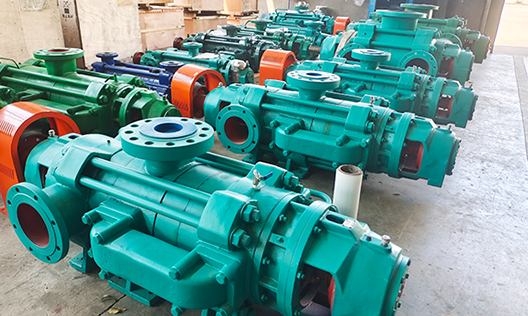
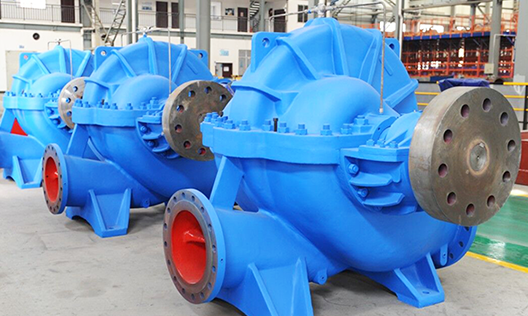
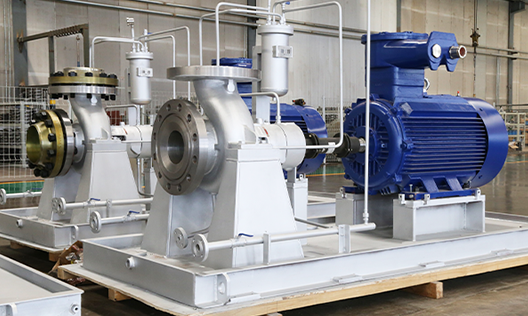
Puede fabricar 26 series de productos, incluyendo bombas de circulación para grandes centrales eléctricas, bombas de condensación para grandes centrales eléctricas, bombas petroquímicas, bombas multietapa, bombas de aguas residuales y lodo, bombas multietapa autoequilibradas, bombas de doble succión y única etapa tipo split, y bombas centrífugas de succión simple y única etapa.
-
Cases
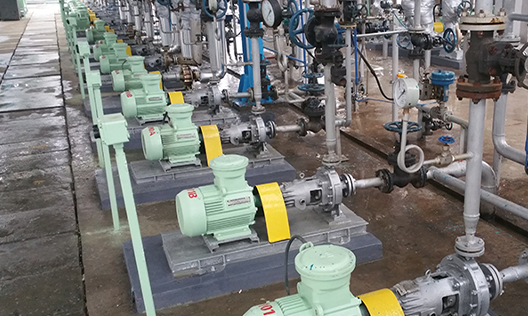
La elección de más de cientos de miles de clientes, cubriendo industrias como minería de carbón, metalurgia, química, energía, recursos hídricos, alimentos, municipalidades y protección ambiental, y exportando a Asia Sudeste, África, América y otros lugares.
-
Service
La empresa fue la primera en la industria en obtener las certificaciones internacionales del sistema de calidad ISO 9001:2008, del sistema de gestión ambiental ISO 14001 y del sistema de gestión de seguridad y salud ocupacional GB/T 28001, además de la certificación API 610 de la Asociación Estadounidense del Petróleo.
-
About us
La empresa, fundada en 1989, es una empresa nacional de alta tecnología integral que integra diseño, investigación y desarrollo, fabricación y servicios; actualmente es una empresa clave en la industria china de bombas centrífugas y una de las grandes fábricas especializadas.
-

Blogs
Con productos innovadores, calidad excepcional y servicios integrales, buscamos la verdad y la pragmática, avanzamos con iniciativa, y nos esforzamos por lograr el objetivo de ser "la marca líder en el campo de aplicación de bombas centrífugas en el país"! Raigada en Hunan, orientada a todo el país y hacia el mundo!
Understanding the Advantages of Axial Flow Pumps in Industrial Applications
Publication Date:
2025-11-18
Author:
Source:


Understanding the Advantages of Axial Flow Pumps in Industrial Applications
Table of Contents
- 1. Introduction to Axial Flow Pumps
- 2. Design Features of Axial Flow Pumps
- 3. Operational Efficiency: Why Choose Axial Flow Pumps?
- 4. Common Industrial Applications of Axial Flow Pumps
- 5. Key Advantages of Axial Flow Pumps
- 6. How to Choose the Right Axial Flow Pump
- 7. Maintenance Tips for Longevity
- 8. Future Trends in Axial Flow Pump Technology
- 9. Frequently Asked Questions
- 10. Conclusion
1. Introduction to Axial Flow Pumps
Axial flow pumps are essential components in numerous industrial applications, providing efficient fluid transport solutions. Unlike centrifugal pumps, which rely on a rotating impeller to create pressure, axial flow pumps utilize a propeller-like mechanism that directs fluid parallel to the pump shaft. This design allows for a high flow rate with relatively low pressure, making axial flow pumps especially suited for applications that require significant volumes of fluid to be moved quickly.
2. Design Features of Axial Flow Pumps
The design of axial flow pumps is characterized by several key features that enhance their performance and suitability for industrial applications:
2.1 Propeller Design
The unique propeller design of axial flow pumps allows for a streamlined flow of fluid. This propeller typically consists of blades that are designed to maximize fluid movement while minimizing turbulence, resulting in efficient operation.
2.2 Low NPSH Requirements
Axial flow pumps generally have lower Net Positive Suction Head (NPSH) requirements compared to centrifugal pumps. This characteristic is particularly advantageous when dealing with fluids at varying temperatures and pressures.
2.3 Compact and Lightweight
These pumps are often more compact and lighter than their centrifugal counterparts, allowing for easier installation and maintenance in space-constrained environments. Their design facilitates flexibility in various operational settings.
3. Operational Efficiency: Why Choose Axial Flow Pumps?
Operational efficiency is a critical factor in determining the success of industrial processes. Axial flow pumps offer several benefits that contribute to enhanced efficiency:
3.1 Energy Savings
The design of axial flow pumps is inherently energy-efficient, often resulting in lower operational costs. Their ability to move large volumes of fluid with minimal energy input makes them an economical choice for many industries.
3.2 High Flow Rates
Axial flow pumps are capable of achieving high flow rates, which is essential for processes that require the rapid movement of large quantities of liquid. Their efficiency in this regard reduces the time and resources needed for fluid transport.
3.3 Versatility in Fluid Types
These pumps can handle a wide range of fluid types, including clean water, wastewater, and various industrial liquids. Their adaptability makes them a preferred choice in applications such as irrigation, chemical processing, and water treatment.
4. Common Industrial Applications of Axial Flow Pumps
Axial flow pumps find utility in a diverse array of industries. Some common applications include:
4.1 Water Supply and Irrigation
In agricultural settings, axial flow pumps are frequently used for irrigation purposes, providing reliable water supply to crops while maintaining energy efficiency.
4.2 Industrial Process Water
Industries requiring substantial volumes of process water, such as chemical manufacturing and cooling systems, benefit from the capabilities of axial flow pumps.
4.3 Wastewater Treatment
In wastewater treatment facilities, these pumps are crucial for transporting sewage and effluent, enabling effective treatment processes to be implemented.
4.4 Mining and Mineral Processing
Axial flow pumps are utilized in the mining industry for slurry transport and dewatering applications, showcasing their versatility in handling challenging materials.
5. Key Advantages of Axial Flow Pumps
Understanding the advantages of axial flow pumps can aid in selecting the right equipment for specific needs:
5.1 Cost-Effectiveness
With lower energy consumption and reduced maintenance costs, axial flow pumps can significantly reduce overall operational expenses, making them a cost-effective solution for many industrial applications.
5.2 Durability and Reliability
These pumps are designed to withstand harsh operating conditions, ensuring long-lasting performance even in challenging environments. Their reliable operation minimizes downtime and enhances productivity.
5.3 Simple Operation and Maintenance
Axial flow pumps are relatively easy to operate and maintain. Their straightforward design allows for quick access to components, facilitating routine checks and service tasks.
6. How to Choose the Right Axial Flow Pump
Selecting the right axial flow pump involves several considerations:
6.1 Assessing Flow Requirements
Evaluate the required flow rate and pressure for your specific application. Understanding these parameters will guide you in selecting a pump that meets your needs.
6.2 Considering Fluid Characteristics
Different fluid types may require specific pump materials and designs. Consider factors such as viscosity, temperature, and chemical compatibility to ensure optimal performance.
6.3 Energy Efficiency Ratings
Look for pumps with high energy efficiency ratings. This will not only help in reducing operational costs but also contribute to sustainability efforts within your organization.
7. Maintenance Tips for Longevity
Proper maintenance is essential to prolonging the lifespan of axial flow pumps:
7.1 Regular Inspections
Conduct routine inspections to identify signs of wear or damage. Early detection can prevent more significant issues down the line.
7.2 Cleaning and Lubrication
Keep the pump clean and ensure that all moving parts are adequately lubricated. Regular maintenance of these components enhances operational efficiency and reliability.
7.3 Monitoring Performance
Implement a monitoring system to track the pump's performance over time. This data can inform maintenance schedules and highlight any potential problems before they escalate.
8. Future Trends in Axial Flow Pump Technology
The axial flow pump industry is evolving rapidly, with several trends emerging:
8.1 Enhanced Automation
The integration of smart technology and automation in pump systems is becoming increasingly prevalent. This trend can improve operational efficiency and reduce the need for manual intervention.
8.2 Eco-Friendly Designs
Manufacturers are focusing on creating eco-friendly designs that minimize environmental impact. This includes using sustainable materials and optimizing pumps for energy efficiency.
8.3 Improved Materials and Coatings
Advancements in materials science are leading to the development of more durable and corrosion-resistant coatings, extending the life expectancy of axial flow pumps in challenging environments.
9. Frequently Asked Questions
9.1 What is the main advantage of an axial flow pump over a centrifugal pump?
The primary advantage of an axial flow pump is its ability to move large volumes of fluid at a relatively low pressure, making it ideal for applications requiring high flow rates.
9.2 In what industries are axial flow pumps commonly used?
Axial flow pumps are widely used in agriculture, wastewater treatment, chemical processing, and mining, among others.
9.3 How do I determine the right size of an axial flow pump for my application?
To determine the appropriate size, assess the required flow rate and head pressure for your application, considering the specific fluid characteristics.
9.4 What maintenance practices should be followed for axial flow pumps?
Regular inspections, cleaning, lubrication of moving parts, and performance monitoring are essential maintenance practices to ensure longevity and efficiency.
9.5 Are axial flow pumps energy-efficient?
Yes, axial flow pumps are generally more energy-efficient than centrifugal pumps, helping to reduce operational costs in industrial applications.
10. Conclusion
Axial flow pumps represent a pivotal technology in various industrial processes, offering numerous advantages such as high flow rates, energy efficiency, and versatility. By understanding their design features, operational efficiencies, and maintenance requirements, industries can harness the full potential of these pumps to optimize their operations. As technology continues to advance, axial flow pumps are poised to play an even more significant role in the future of industrial applications, driving improvements in efficiency and sustainability.
Recommended Information



Related Products
Perhaps you also want to know?
Zoomlian Pump Industry
Address:No. 210, Environmental Protection Middle Road, Yuhua Economic Development Zone, Changsha City, Hunan Province China
All rights reserved © Changsha Zoomlian Pump Co., Ltd.
This website supports IPv4 IPv6 bidirectional access
Website construction:Zhongqi Power Changsha