

-
Products
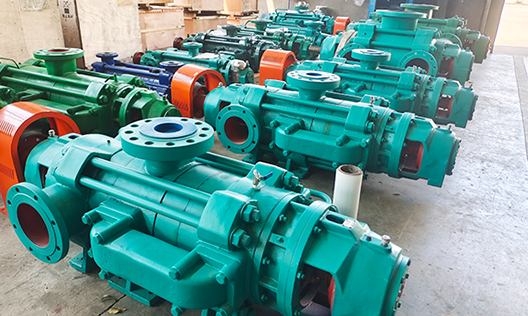
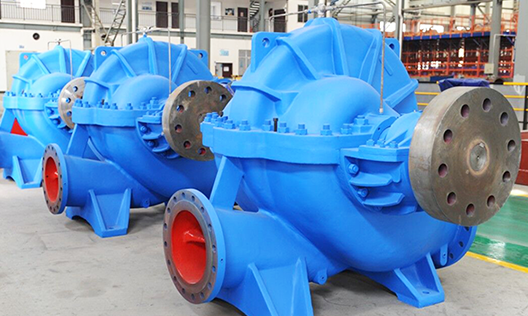
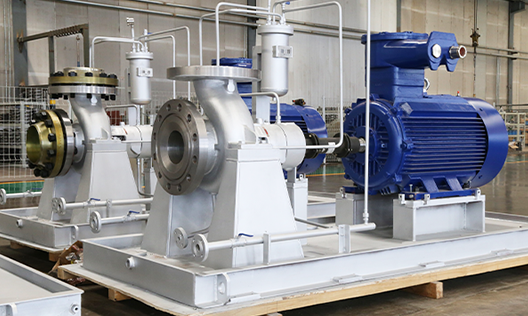
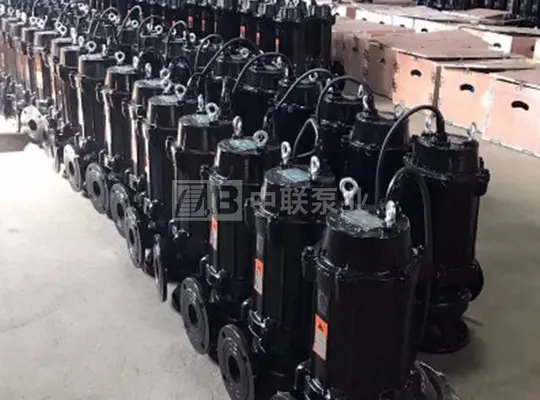
Puede fabricar 26 series de productos, incluyendo bombas de circulación para grandes centrales eléctricas, bombas de condensación para grandes centrales eléctricas, bombas petroquímicas, bombas multietapa, bombas de aguas residuales y lodo, bombas multietapa autoequilibradas, bombas de doble succión y única etapa tipo split, y bombas centrífugas de succión simple y única etapa.
-
Cases
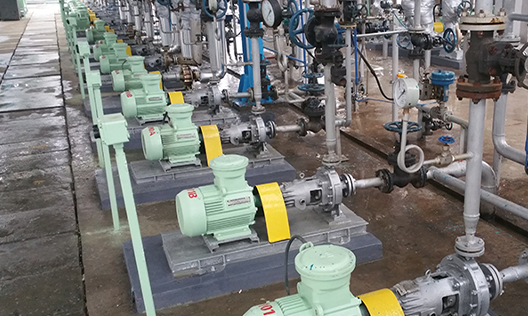
La elección de más de cientos de miles de clientes, cubriendo industrias como minería de carbón, metalurgia, química, energía, recursos hídricos, alimentos, municipalidades y protección ambiental, y exportando a Asia Sudeste, África, América y otros lugares.
-
Service
La empresa fue la primera en la industria en obtener las certificaciones internacionales del sistema de calidad ISO 9001:2008, del sistema de gestión ambiental ISO 14001 y del sistema de gestión de seguridad y salud ocupacional GB/T 28001, además de la certificación API 610 de la Asociación Estadounidense del Petróleo.
-
About us
La empresa, fundada en 1989, es una empresa nacional de alta tecnología integral que integra diseño, investigación y desarrollo, fabricación y servicios; actualmente es una empresa clave en la industria china de bombas centrífugas y una de las grandes fábricas especializadas.
-

Blogs
Con productos innovadores, calidad excepcional y servicios integrales, buscamos la verdad y la pragmática, avanzamos con iniciativa, y nos esforzamos por lograr el objetivo de ser "la marca líder en el campo de aplicación de bombas centrífugas en el país"! Raigada en Hunan, orientada a todo el país y hacia el mundo!
The Essential Guide to Centrifugal Pumps: Understanding Their Function and Applications
Publication Date:
2025-11-09
Author:
Source:


At the heart of a centrifugal pump is the impeller, a rotating component with blades that impart velocity to the liquid. As the impeller spins, it creates a centrifugal force that pushes the fluid outward from the center of the pump. This motion generates a pressure differential, drawing fluid into the pump through an inlet and forcing it out through a discharge outlet. The efficiency of this process can be influenced by several factors, such as the design of the impeller, the speed of rotation, and the properties of the fluid being pumped.
Centrifugal pumps are particularly versatile and can handle a wide range of fluids, including water, chemicals, and slurries. They are commonly used in various applications, such as water supply systems, chemical processing, HVAC systems, and irrigation. Their adaptability to different environments and fluids makes them a popular choice in many sectors, from agriculture to manufacturing.
One of the key advantages of centrifugal pumps is their ability to maintain a constant flow rate, even with changing pressure conditions. This attribute is particularly beneficial in processes where consistent fluid movement is crucial, as it helps prevent system disruptions and optimizes operational efficiency. Additionally, centrifugal pumps typically require less maintenance compared to other pump types, further enhancing their appeal in industrial applications.
However, it's essential to consider that centrifugal pumps may not be suitable for all situations. They can struggle when pumping highly viscous fluids or when there are significant variations in flow requirements. In such cases, alternative pump types, like positive displacement pumps, may be more appropriate.
In summary, centrifugal pumps play an integral role in many industrial processes, owing to their simple yet effective design and operational efficiency. Understanding their functionality and suitable applications can help businesses make informed decisions about their fluid transport needs. As industries continue to evolve, the demand for reliable and efficient pumps will undoubtedly persist, making centrifugal pumps a mainstay in the world of industrial equipment.
Recommended Information



Related Products
Perhaps you also want to know?
Zoomlian Pump Industry
Address:No. 210, Environmental Protection Middle Road, Yuhua Economic Development Zone, Changsha City, Hunan Province China
All rights reserved © Changsha Zoomlian Pump Co., Ltd.
This website supports IPv4 IPv6 bidirectional access
Website construction:Zhongqi Power Changsha