

-
Products
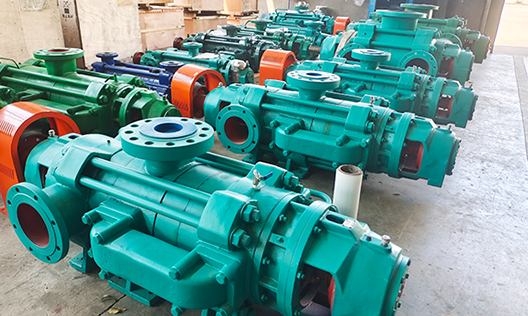
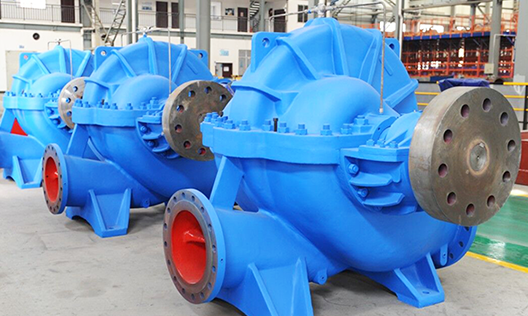
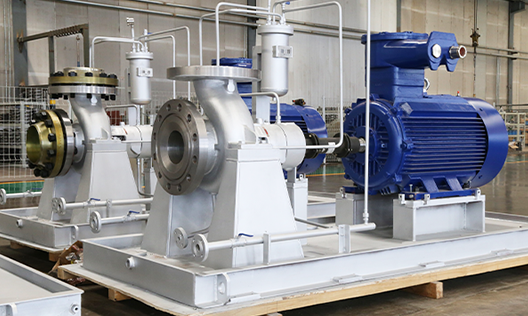
Puede fabricar 26 series de productos, incluyendo bombas de circulación para grandes centrales eléctricas, bombas de condensación para grandes centrales eléctricas, bombas petroquímicas, bombas multietapa, bombas de aguas residuales y lodo, bombas multietapa autoequilibradas, bombas de doble succión y única etapa tipo split, y bombas centrífugas de succión simple y única etapa.
-
Cases
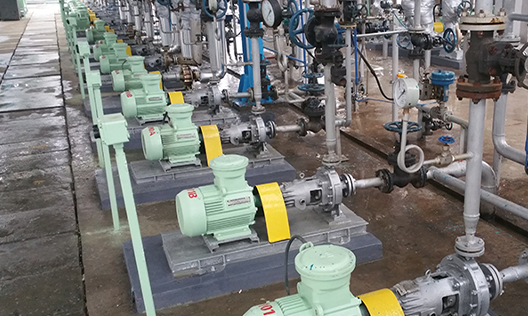
La elección de más de cientos de miles de clientes, cubriendo industrias como minería de carbón, metalurgia, química, energía, recursos hídricos, alimentos, municipalidades y protección ambiental, y exportando a Asia Sudeste, África, América y otros lugares.
-
Service
La empresa fue la primera en la industria en obtener las certificaciones internacionales del sistema de calidad ISO 9001:2008, del sistema de gestión ambiental ISO 14001 y del sistema de gestión de seguridad y salud ocupacional GB/T 28001, además de la certificación API 610 de la Asociación Estadounidense del Petróleo.
-
About us
La empresa, fundada en 1989, es una empresa nacional de alta tecnología integral que integra diseño, investigación y desarrollo, fabricación y servicios; actualmente es una empresa clave en la industria china de bombas centrífugas y una de las grandes fábricas especializadas.
-

Blogs
Con productos innovadores, calidad excepcional y servicios integrales, buscamos la verdad y la pragmática, avanzamos con iniciativa, y nos esforzamos por lograr el objetivo de ser "la marca líder en el campo de aplicación de bombas centrífugas en el país"! Raigada en Hunan, orientada a todo el país y hacia el mundo!
Common Causes and Preventive Measures for Corrosion in Multi-stage Pump Impellers
Publication Date:
2025-11-04
Author:
Source:


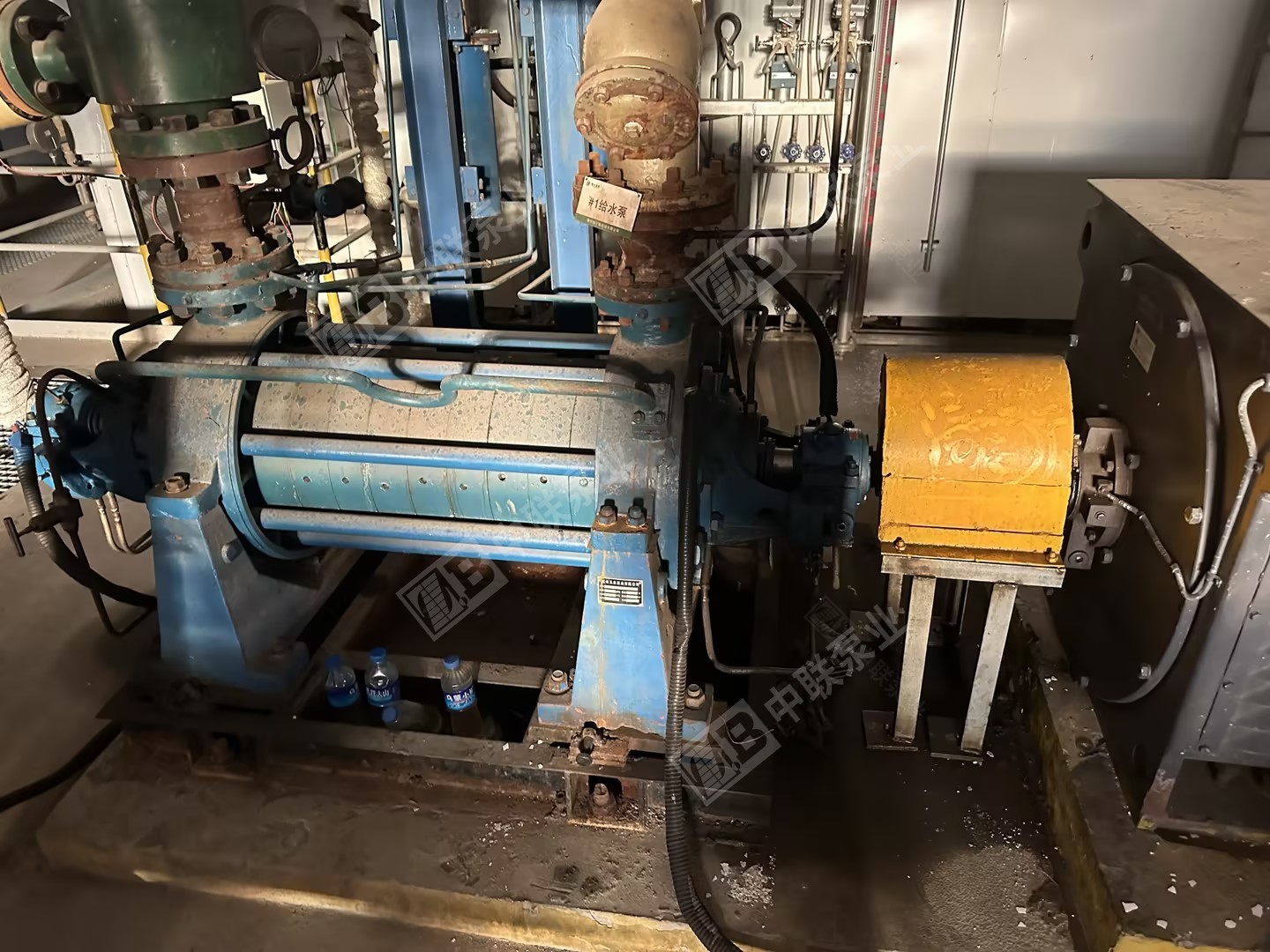
Multi-stage pumps, as core equipment in the industrial fluid transportation sector, are widely used in industries such as petrochemicals, metallurgy, and municipal water supply. The impeller, serving as the pump body's primary working component, directly affects the efficiency and service life of the pump unit due to corrosion issues. In severe cases, this can lead to pump vibration, sudden drops in flow rate, or even complete shutdown failures. In this article, a multi-stage pump manufacturer Changsha Zhonglian Pump Industry We will introduce the common causes of multi-stage pump impeller corrosion and share preventive measures, helping enterprises reduce operational and maintenance costs.

I. Classification of the Core Causes of Impeller Corrosion
1. Chemical corrosion: The direct reaction between the medium and the material
Industrial conveying media often contain corrosive substances such as acids, bases, and salts. These media can trigger redox reactions with the impeller material, gradually leading to material degradation. The corrosion resistance of impellers varies significantly depending on their material: ordinary carbon steel impellers are suitable only for neutral, clean media, while 316L stainless steel impellers exhibit moderate resistance to weakly acidic or alkaline media—but remain vulnerable to corrosion in highly oxidizing environments, such as chlorine-containing solutions. For applications involving severe corrosion conditions, it is essential to use specialized materials like Hastelloy or titanium alloys. Additionally, trace impurities in the medium—such as chloride ions and sulfides—can accelerate chemical corrosion, particularly under high-temperature conditions, where the corrosion rate tends to increase exponentially.
2. Electrochemical Corrosion: The Battery Effect in Electrolyte Environments
When the impeller surface comes into contact with a moist medium containing electrolytes, miniature galvanic cells are formed. The different components within the impeller material—such as iron and carbon in carbon steel—act as electrodes, while the electrolyte serves as the conductive medium, triggering electron transfer. This process causes the anodic metal (like iron) to dissolve continuously, leading to the formation of corrosion pits. If the impeller is made of a different metal compared to components like the pump body or shaft sleeve, galvanic corrosion may occur—where the greater the potential difference between the metals, the faster the corrosion rate. Additionally, for pump units left idle for extended periods, moisture tends to condense on the impeller surface, forming an electrolyte film that can initiate electrochemical corrosion—even when the pump is not in operation.
3. Physical factors: Erosion and wear accelerate corrosion
When solid particles in the medium—such as silt, sand, or slag—flow through the impeller, they continuously impact and abrade the blade surfaces, breaking down the passivation film on the impeller's surface and exposing the material directly to the medium. This accelerates the corrosion process. The synergistic effect of "wear plus corrosion" is the primary cause of impeller failure under operating conditions involving impure media.
Sharp fluctuations in fluid flow velocity and pressure can lead to localized cavitation around the impeller. When these cavitation bubbles collapse, the resulting impact forces damage the blade surfaces and simultaneously generate intense local heat, which further accelerates corrosion.
4. Improper Operation and Maintenance: Human Factors Triggering Corrosion
Operating parameters deviating from the design conditions—such as medium temperatures that are too high or too low—can alter the corrosion reaction rate. Excessively high flow velocities may intensify erosion-corrosion, while excessively low velocities could lead to medium deposition, potentially triggering localized corrosion.
Lack of maintenance: Prolonged failure to clean deposits and biofouling (such as microbial slime) from the impeller surface can create localized corrosion conditions. Additionally, failing to regularly inspect the impeller for wear or promptly replacing aged seals that lead to media leakage can indirectly accelerate impeller corrosion.
II. Scientific Protective Measures Against Impeller Corrosion
1. Precise Selection: Choose the Right Material Based on Media Characteristics
Based on the corrosivity, solid content, temperature, and other parameters of the conveyed medium, select an appropriate impeller material. For neutral, clean media, ordinary stainless steel is suitable; for mildly acidic or alkaline media, 316L stainless steel is recommended; and for highly corrosive media, Hastelloy or titanium alloys should be used. For media with high sand content, a high-chromium cast iron impeller is ideal, with wear- and corrosion-resistant coatings such as ceramics or tungsten carbide applied to its surface.
2. Optimize Operation: Stable Conditions Reduce Corrosion Triggers
Strictly control the operating parameters of the pump unit to prevent overloading, overheating, and overpressure conditions. Properly adjust valve openings to maintain stable fluid flow rates and minimize cavitation. For media containing impurities, install a filtration device at the pump inlet to reduce the erosion of solid particles on the impeller.
3. Strengthen Maintenance: Establish a Regular Maintenance Mechanism
Regularly disassemble and inspect the impeller surface condition, promptly removing any deposits and dirt. For minor corrosion spots on the impeller surface, sand them down, repair the areas, and then reapply an anti-corrosion coating. As per the equipment manual, regularly replace lubricating oil and seals to prevent medium leakage that could lead to corrosion. For pump units that will remain idle for extended periods, drain the medium from the pump chamber, apply rust-preventive oil, and store them in a sealed environment.
4. Technological Upgrade: Installing Protective and Monitoring Devices
For harsh operating conditions, sacrificial anodes (such as zinc blocks) can be installed on the impeller surface to protect the main body of the impeller through cathodic protection. For critical pump units, corrosion-monitoring sensors should be added to continuously track the impeller's corrosion status in real time, enabling early warnings of potential failure risks. Additionally, optimizing the pump body’s structural design can help minimize areas where fluid tends to stagnate, thereby reducing the likelihood of localized corrosion.
Multi-stage pump impeller corrosion is the result of the combined effects of chemical corrosion, electrochemical corrosion, physical erosion, and human factors. To effectively slow down impeller corrosion and ensure stable operation of the pump unit, companies need to build a comprehensive protection system tailored to their specific operating conditions—covering four key areas: material selection, operational optimization, maintenance practices, and technological upgrades. If you require a customized impeller anti-corrosion solution or guidance on material selection, feel free to contact Zhonglian Pump Industry's online customer service team or reach out directly at 15616442288 (also available on WeChat).
Recommended Information


Related Products
Perhaps you also want to know?
Zoomlian Pump Industry
Address:No. 210, Environmental Protection Middle Road, Yuhua Economic Development Zone, Changsha City, Hunan Province China
All rights reserved © Changsha Zoomlian Pump Co., Ltd.
This website supports IPv4 IPv6 bidirectional access
Website construction:Zhongqi Power Changsha