

-
Products
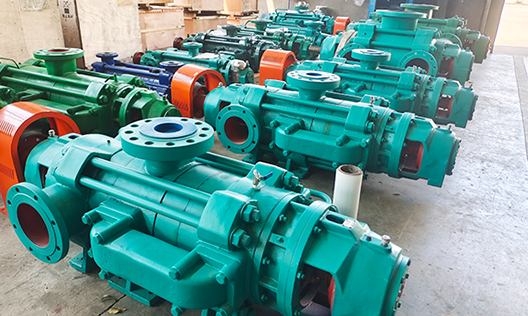
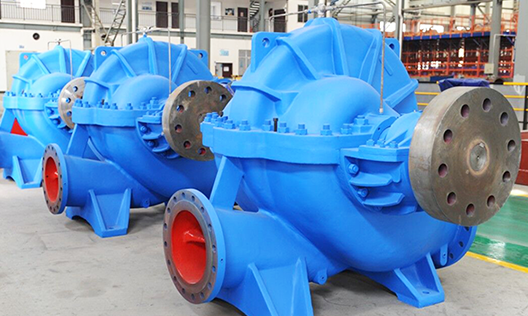
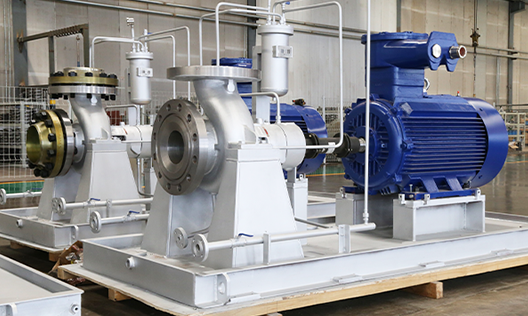
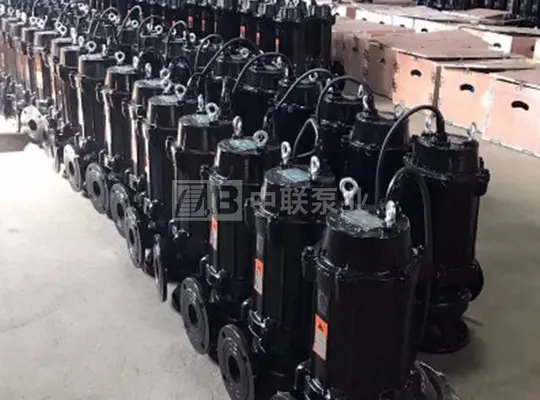
Puede fabricar 26 series de productos, incluyendo bombas de circulación para grandes centrales eléctricas, bombas de condensación para grandes centrales eléctricas, bombas petroquímicas, bombas multietapa, bombas de aguas residuales y lodo, bombas multietapa autoequilibradas, bombas de doble succión y única etapa tipo split, y bombas centrífugas de succión simple y única etapa.
-
Cases
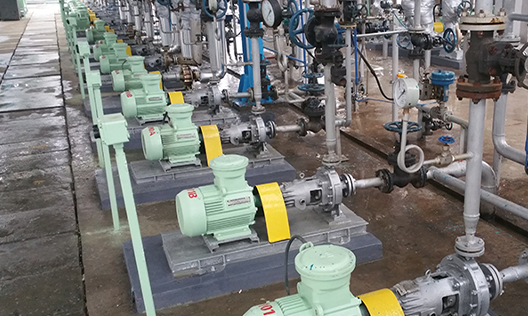
La elección de más de cientos de miles de clientes, cubriendo industrias como minería de carbón, metalurgia, química, energía, recursos hídricos, alimentos, municipalidades y protección ambiental, y exportando a Asia Sudeste, África, América y otros lugares.
-
Service
La empresa fue la primera en la industria en obtener las certificaciones internacionales del sistema de calidad ISO 9001:2008, del sistema de gestión ambiental ISO 14001 y del sistema de gestión de seguridad y salud ocupacional GB/T 28001, además de la certificación API 610 de la Asociación Estadounidense del Petróleo.
-
About us
La empresa, fundada en 1989, es una empresa nacional de alta tecnología integral que integra diseño, investigación y desarrollo, fabricación y servicios; actualmente es una empresa clave en la industria china de bombas centrífugas y una de las grandes fábricas especializadas.
-

Blogs
Con productos innovadores, calidad excepcional y servicios integrales, buscamos la verdad y la pragmática, avanzamos con iniciativa, y nos esforzamos por lograr el objetivo de ser "la marca líder en el campo de aplicación de bombas centrífugas en el país"! Raigada en Hunan, orientada a todo el país y hacia el mundo!
The Essential Role of Boiler Feed Pumps in Industrial Systems
Publication Date:
2025-10-28
Author:
Source:


At its core, a boiler feed pump works by moving water from a storage tank or a water source into a boiler. The process is not merely about transferring water; it requires precision and efficiency. Boiler feed pumps are usually centrifugal pumps, which means they utilize rotational energy to move fluids. The pump's impeller spins rapidly, creating a difference in pressure that draws water into the pump and pushes it into the boiler.
One of the key factors to consider when discussing boiler feed pumps is their ability to handle high pressures and temperatures. Boilers operate under high-pressure conditions, and the feed water must be pumped into the boiler at a pressure that is typically higher than the boiling point of water. This ensures that the water remains in a liquid state until it reaches the boiler, where it is then converted into steam. As a result, boiler feed pumps are designed with materials and components that can withstand these extreme conditions.
The efficiency of a boiler feed pump significantly influences the overall performance of a boiler system. An efficient pump reduces energy consumption, minimizes operational costs, and enhances the longevity of the boiler. In contrast, a poorly functioning pump can lead to insufficient water supply, which may result in boiler overheating or even system failure. Therefore, regular maintenance and monitoring of boiler feed pumps are essential practices in industrial settings.
Additionally, the importance of automation in boiler feed pump operation cannot be overstated. Many modern systems incorporate advanced control technologies that allow for real-time monitoring and adjustments. This automation ensures that the pump operates at optimal conditions, thus enhancing performance and safety. Automatic controls can adjust the pump speed based on the boiler's water levels, ensuring that the system runs smoothly without manual intervention.
In conclusion, boiler feed pumps play a crucial role in the industrial landscape, particularly in steam generation processes. Their ability to maintain a continuous water supply under high-pressure conditions is essential to the efficient operation of boilers. By understanding the workings and importance of boiler feed pumps, industries can better appreciate the necessity of investing in high-quality equipment and maintenance practices. Through automation and regular upkeep, businesses can enhance efficiency and ensure the reliability of their steam generation systems.
Previous:
Recommended Information



Related Products
Perhaps you also want to know?
Zoomlian Pump Industry
Address:No. 210, Environmental Protection Middle Road, Yuhua Economic Development Zone, Changsha City, Hunan Province China
All rights reserved © Changsha Zoomlian Pump Co., Ltd.
This website supports IPv4 IPv6 bidirectional access
Website construction:Zhongqi Power Changsha