

-
Products
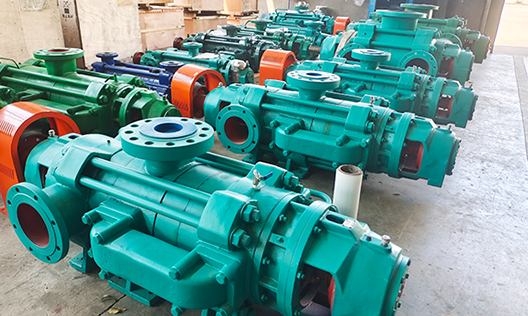
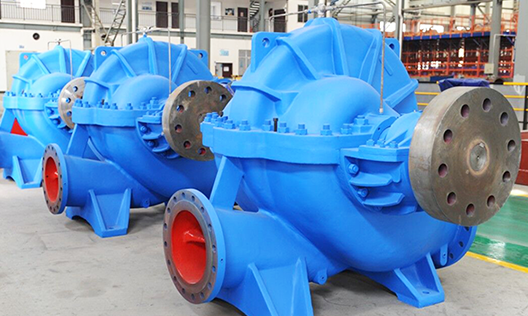
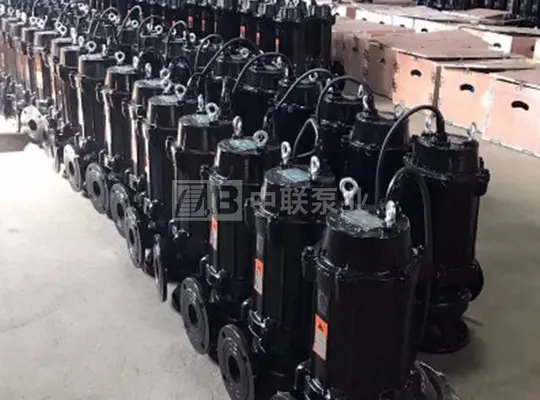
Puede fabricar 26 series de productos, incluyendo bombas de circulación para grandes centrales eléctricas, bombas de condensación para grandes centrales eléctricas, bombas petroquímicas, bombas multietapa, bombas de aguas residuales y lodo, bombas multietapa autoequilibradas, bombas de doble succión y única etapa tipo split, y bombas centrífugas de succión simple y única etapa.
-
Cases
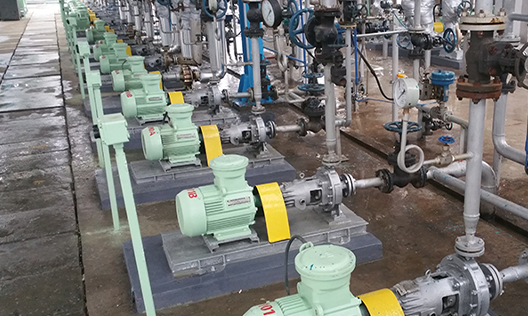
La elección de más de cientos de miles de clientes, cubriendo industrias como minería de carbón, metalurgia, química, energía, recursos hídricos, alimentos, municipalidades y protección ambiental, y exportando a Asia Sudeste, África, América y otros lugares.
-
Service
La empresa fue la primera en la industria en obtener las certificaciones internacionales del sistema de calidad ISO 9001:2008, del sistema de gestión ambiental ISO 14001 y del sistema de gestión de seguridad y salud ocupacional GB/T 28001, además de la certificación API 610 de la Asociación Estadounidense del Petróleo.
-
About us
La empresa, fundada en 1989, es una empresa nacional de alta tecnología integral que integra diseño, investigación y desarrollo, fabricación y servicios; actualmente es una empresa clave en la industria china de bombas centrífugas y una de las grandes fábricas especializadas.
-

Blogs
Con productos innovadores, calidad excepcional y servicios integrales, buscamos la verdad y la pragmática, avanzamos con iniciativa, y nos esforzamos por lograr el objetivo de ser "la marca líder en el campo de aplicación de bombas centrífugas en el país"! Raigada en Hunan, orientada a todo el país y hacia el mundo!
Why Your Facility Needs a Reliable Condensate Pump: Ensuring Efficiency and Productivity
Publication Date:
2025-10-25
Author:
Source:


Why Your Facility Needs a Reliable Condensate Pump
When it comes to industrial facilities, every component plays a significant role in ensuring smooth operations. Among these components, a **reliable condensate pump** is essential for maintaining efficiency and productivity. Steam systems are integral in various industries, including manufacturing, food processing, and power generation. Understanding the importance of condensate pumps can vastly improve your facility’s operations.
The Role of Condensate Pumps in Industrial Operations
Condensate pumps are designed to remove condensate—water that forms when steam cools down—from steam systems. This process is vital because untreated condensate can lead to a range of issues, including reduced efficiency, corrosion, and even equipment failure.
How Condensate Pumps Work
Condensate pumps operate by collecting the liquid condensate that accumulates in systems, and then they pump it away to a designated area for drainage or reuse. The mechanism typically involves:
1. **Collection**: The pump collects condensate from steam traps or heat exchangers.
2. **Pumping**: Once the liquid reaches a certain level, the pump activates and moves the condensate to a discharge line.
3. **Discharge**: The condensate is expelled from the system, either to a drain or for recycling back into the system.
Types of Condensate Pumps
There are several types of condensate pumps available, each suited for different applications:
- **Vertical Pumps**: Ideal for applications with limited space, vertical pumps are effective for small condensate removal.
- **Submersible Pumps**: Designed to operate underwater, these pumps are excellent for applications where condensate accumulation occurs in a basin.
- **Positive Displacement Pumps**: These pumps are suitable for high-viscosity fluids and can handle larger volumes of condensate.
Economic Benefits of Reliable Condensate Pumps
Investing in a dependable condensate pump offers numerous economic advantages for your facility:
Cost Savings on Energy
A reliable condensate pump can significantly reduce energy costs. By efficiently removing condensate, the system can maintain optimal steam pressures, leading to less energy consumption. In contrast, inefficient condensate removal can lead to steam traps failing, causing pressure drops that result in increased energy use and higher bills.
Minimizing Maintenance Costs
Regular maintenance of condensate pumps can be costly, especially if the pump fails unexpectedly. A reliable pump reduces the frequency and severity of maintenance needs. This reliability means fewer repairs and lower lifecycle costs, allowing your facility to allocate resources more effectively.
Enhancing System Efficiency with Condensate Pumps
The efficiency of an industrial facility often hinges on the performance of its condensate pump.
Improved System Performance
By ensuring efficient removal of condensate, a reliable pump contributes to the overall performance of steam systems. Improved condensate removal prevents the buildup of water and steam, which can lead to:
- **Heat Transfer Efficiency**: The optimal functioning of equipment depends on efficient heat transfer. Stagnant condensate inhibits this process.
- **Reduced Risk of Water Hammer**: Water hammer is a phenomenon that can cause severe damage to piping systems. Efficient condensate removal minimizes the chances of this occurring.
Increased Equipment Lifespan
A reliable condensate pump plays a significant role in protecting equipment from corrosion and other damaging effects of untreated condensate. By preventing water accumulation and associated issues, the lifespan of boilers, heat exchangers, and piping systems is significantly enhanced.
Choosing the Right Condensate Pump for Your Facility
Selecting the right condensate pump is a critical decision. Here are factors to consider:
System Compatibility
Ensure that your condensate pump is compatible with your system requirements, including the size of the pipes and the volume of condensate generated.
Flow Rate and Capacity
Assess the expected flow rate and capacity needs for your facility. Understanding your facility’s requirements will help you choose a pump that can handle peak demands without overworking.
Durability and Quality
Investing in a high-quality, durable condensate pump ensures reliable performance. Look for pumps made from materials that withstand the harsh conditions of industrial environments.
Installation and Maintenance of Condensate Pumps
Proper installation and maintenance are essential for the longevity of your condensate pump.
Installation Tips
- **Follow Manufacturer Guidelines**: Always adhere to the installation guidelines provided by the manufacturer for optimal performance.
- **Positioning**: Ensure the pump is positioned correctly to facilitate smooth condensate flow.
- **Check Electrical Connections**: Proper electrical connections are necessary for the efficient operation of the pump.
Regular Maintenance Practices
- **Scheduled Inspections**: Conduct regular inspections to identify any signs of wear or malfunction.
- **Cleaning**: Ensure that the pump and surrounding areas are cleaned to prevent debris buildup.
- **Test Functionality**: Regularly test the pump’s functionality to ensure it operates as intended.
FAQs About Condensate Pumps
1. What is the primary function of a condensate pump?
A condensate pump's primary function is to remove condensate from steam systems to prevent water accumulation and maintain system efficiency.
2. How often should condensate pumps be maintained?
Regular maintenance should be performed at least quarterly, but high-usage facilities may require monthly inspections.
3. Can a condensate pump be repaired?
Yes, many issues with condensate pumps can be repaired. However, some problems may necessitate a complete replacement, depending on the extent of the damage.
4. What are the signs that a condensate pump needs replacement?
Signs include strange noises, leaks, reduced performance, and frequent tripping of the pump.
5. Are there energy-efficient condensate pumps available?
Yes, many manufacturers offer energy-efficient models that use advanced technologies to reduce energy consumption while maintaining performance.
Conclusion
In conclusion, a **reliable condensate pump** is an indispensable asset for any industrial facility. It enhances efficiency, reduces energy costs, and extends equipment lifespan. By choosing the right pump, ensuring proper installation, and adhering to a regular maintenance schedule, facilities can optimize their operations and avoid costly downtime. Investing in a high-quality condensate pump is not merely a choice; it is a necessity for operational excellence.
Recommended Information



Related Products
Perhaps you also want to know?
Zoomlian Pump Industry
Address:No. 210, Environmental Protection Middle Road, Yuhua Economic Development Zone, Changsha City, Hunan Province China
All rights reserved © Changsha Zoomlian Pump Co., Ltd.
This website supports IPv4 IPv6 bidirectional access
Website construction:Zhongqi Power Changsha