

-
Products
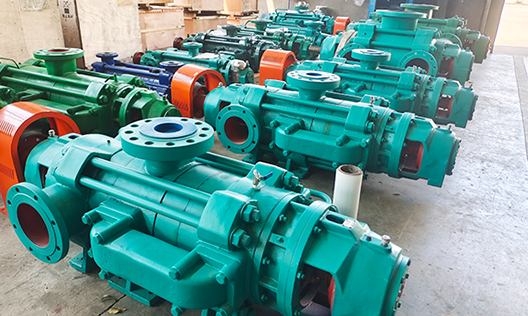
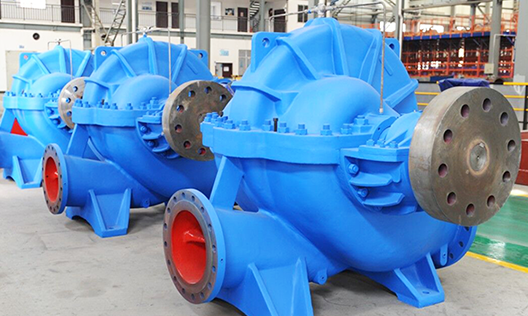
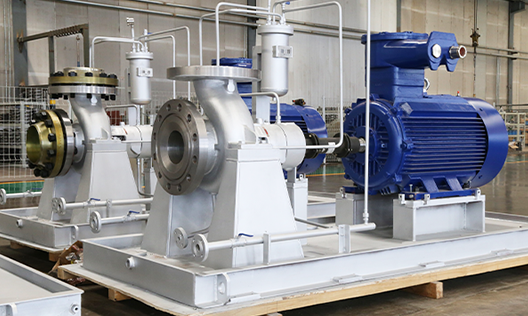
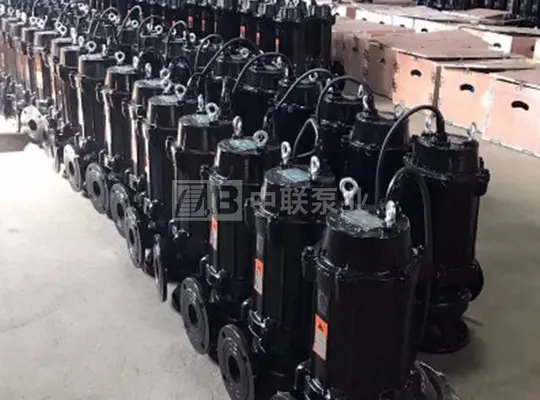
Puede fabricar 26 series de productos, incluyendo bombas de circulación para grandes centrales eléctricas, bombas de condensación para grandes centrales eléctricas, bombas petroquímicas, bombas multietapa, bombas de aguas residuales y lodo, bombas multietapa autoequilibradas, bombas de doble succión y única etapa tipo split, y bombas centrífugas de succión simple y única etapa.
-
Cases
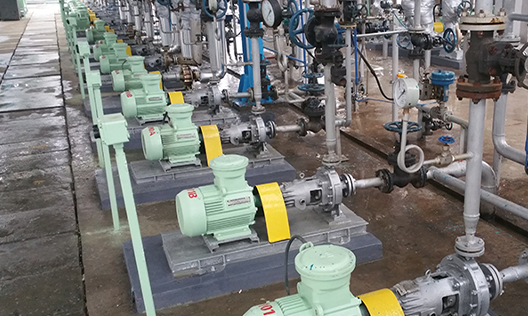
La elección de más de cientos de miles de clientes, cubriendo industrias como minería de carbón, metalurgia, química, energía, recursos hídricos, alimentos, municipalidades y protección ambiental, y exportando a Asia Sudeste, África, América y otros lugares.
-
Service
La empresa fue la primera en la industria en obtener las certificaciones internacionales del sistema de calidad ISO 9001:2008, del sistema de gestión ambiental ISO 14001 y del sistema de gestión de seguridad y salud ocupacional GB/T 28001, además de la certificación API 610 de la Asociación Estadounidense del Petróleo.
-
About us
La empresa, fundada en 1989, es una empresa nacional de alta tecnología integral que integra diseño, investigación y desarrollo, fabricación y servicios; actualmente es una empresa clave en la industria china de bombas centrífugas y una de las grandes fábricas especializadas.
-

Blogs
Con productos innovadores, calidad excepcional y servicios integrales, buscamos la verdad y la pragmática, avanzamos con iniciativa, y nos esforzamos por lograr el objetivo de ser "la marca líder en el campo de aplicación de bombas centrífugas en el país"! Raigada en Hunan, orientada a todo el país y hacia el mundo!
How to Improve the Lifecycle of Your Multistage Pump: Essential Strategies for Optimal Performance
Publication Date:
2025-10-31
Author:
Source:


How to Improve the Lifecycle of Your Multistage Pump: Essential Strategies for Optimal Performance
Table of Contents
- 1. Introduction to Multistage Pumps
- 2. Understanding the Lifecycle of Your Multistage Pump
- 3. The Importance of Regular Maintenance
- 4. Best Maintenance Practices for Multistage Pumps
- 5. Monitoring and Diagnostic Techniques
- 6. Upgrading Technology for Improved Efficiency
- 7. Common Failures and Their Solutions
- 8. Training and Education for Operators
- 9. Conclusion
- 10. Frequently Asked Questions
1. Introduction to Multistage Pumps
Multistage pumps are pivotal in various industrial applications, ranging from water supply systems to chemical processing. These pumps are designed to handle higher pressures and flow rates than single-stage pumps by utilizing multiple impellers. Each impeller enhances the fluid's energy, which is critical in applications requiring high lift capabilities. However, ensuring long-lasting performance in these complex machines necessitates diligent care and maintenance.
2. Understanding the Lifecycle of Your Multistage Pump
The lifecycle of your multistage pump encompasses several stages: design, operation, maintenance, and decommissioning. Understanding each phase helps in implementing strategies that can extend its service life. A well-maintained pump not only operates efficiently but also minimizes the risk of unexpected failures that could lead to costly downtime.
2.1 Design Considerations
Proper selection and design are foundational to a multistage pump's lifecycle. Factors such as materials, dimensions, and flow rates must match the specific application to avoid premature wear and tear.
2.2 Operational Efficiency
Operational efficiency directly impacts the pump's lifecycle. Pumps that operate outside their recommended parameters face excessive stress, leading to reduced lifespan.
3. The Importance of Regular Maintenance
Regular maintenance is vital in prolonging the lifecycle of multistage pumps. It encompasses routine inspections, lubrication, and replacement of worn parts, which collectively reduce the likelihood of catastrophic failures.
3.1 Benefits of Preventive Maintenance
Implementing a preventive maintenance schedule helps identify potential issues before they escalate. This proactive approach not only extends the lifecycle of the pump but also enhances overall system reliability.
3.2 Cost-Effectiveness
Investing in maintenance can significantly lower long-term operational costs. By preventing major breakdowns, organizations can save on replacement expenses and minimize downtime.
4. Best Maintenance Practices for Multistage Pumps
Adopting best practices ensures your multistage pump operates at peak performance. Here are essential maintenance strategies to consider:
4.1 Regular Inspections
Conducting regular visual inspections can help identify leaks, unusual sounds, or vibrations that may indicate underlying issues. Check for signs of wear on seals and bearings, as these are common failure points.
4.2 Lubrication
Proper lubrication of moving parts is crucial. Consult the manufacturer's guidelines for appropriate lubricants and intervals to ensure all components function smoothly.
4.3 Seal and Bearing Replacement
Replace seals and bearings as part of routine maintenance to prevent leaks and friction-related failures. Selecting high-quality replacement parts can significantly enhance durability.
5. Monitoring and Diagnostic Techniques
Modern technology provides tools that allow for continuous monitoring of pump performance. Implementing these technologies can be a game-changer in extending the lifecycle of multistage pumps.
5.1 Vibration Analysis
Vibration analysis helps detect imbalances or misalignments early on. By utilizing accelerometers and software, operators can analyze patterns and predict maintenance needs.
5.2 Temperature Monitoring
Monitoring the temperature of the pump and its components can provide insight into operational efficiency. High temperatures often indicate potential issues that could lead to failure.
6. Upgrading Technology for Improved Efficiency
Investing in new technologies can significantly improve pump performance and lifespan. Here are some upgrades worth considering:
6.1 Variable Frequency Drives (VFDs)
VFDs allow for precise control of the pump’s speed and flow rate, optimizing energy use and reducing wear on components. This adaptability can lead to substantial energy savings and longer equipment life.
6.2 Smart Sensors
Smart sensors can provide real-time data on various parameters, enabling predictive maintenance practices. This technology allows operators to make informed decisions based on actual performance rather than estimates.
7. Common Failures and Their Solutions
Understanding common failures can aid in developing effective maintenance strategies. Here are prevalent issues and their solutions:
7.1 Cavitation
Cavitation occurs when vapor bubbles form in the fluid and then collapse, causing damage to the impeller. To prevent cavitation, ensure that the pump operates within recommended pressure ranges and maintain proper fluid levels.
7.2 Seal Failures
Seal failures can lead to significant leaks and operational issues. Regular inspection and timely replacement of seals can mitigate this risk.
8. Training and Education for Operators
Investing in training for operators is crucial for maintaining pump integrity. Knowledgeable staff can identify potential issues before they escalate and implement effective maintenance practices.
8.1 Hands-On Training
Provide hands-on training to familiarize operators with pump systems and maintenance protocols. This practical experience empowers them to manage routine checks and identify anomalies.
8.2 Continuous Education
Stay updated with the latest technologies and best practices in pump maintenance. Encourage operators to attend workshops and seminars, fostering a culture of continuous improvement.
9. Conclusion
Improving the lifecycle of your multistage pump is a multifaceted endeavor that encompasses design, maintenance, monitoring, and operator training. By implementing the strategies outlined in this guide, organizations can ensure optimal performance, reduce the risk of failures, and ultimately save on operational costs. A proactive approach not only extends the lifespan of the multistage pump but also enhances the reliability of the entire system, contributing to greater operational efficiency.
10. Frequently Asked Questions
10.1 What are the signs that my multistage pump needs maintenance?
Common signs include unusual noises, vibrations, leaks, and decreased performance. Regular inspections can help identify these issues early.
10.2 How often should I perform maintenance on my pump?
It is advisable to follow the manufacturer's recommendations, but generally, a quarterly inspection and maintenance routine is beneficial.
10.3 What is cavitation, and how can I prevent it?
Cavitation is the formation and collapse of vapor bubbles in a fluid. Prevent it by maintaining appropriate pressures and ensuring the pump is correctly sized for the application.
10.4 Can upgrading technology really extend the lifespan of my pump?
Yes, advanced technologies like VFDs and smart sensors can optimize performance and reduce wear, thus prolonging the pump's life.
10.5 What role does operator training play in pump maintenance?
Well-trained operators can effectively monitor pump performance, identify issues early, and apply correct maintenance practices, all of which contribute to extending the pump's lifecycle.
Recommended Information



Related Products
Perhaps you also want to know?
Zoomlian Pump Industry
Address:No. 210, Environmental Protection Middle Road, Yuhua Economic Development Zone, Changsha City, Hunan Province China
All rights reserved © Changsha Zoomlian Pump Co., Ltd.
This website supports IPv4 IPv6 bidirectional access
Website construction:Zhongqi Power Changsha