

-
Products
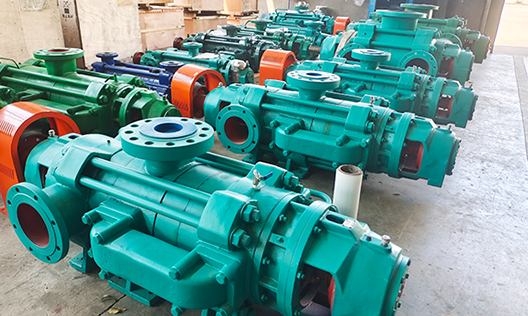
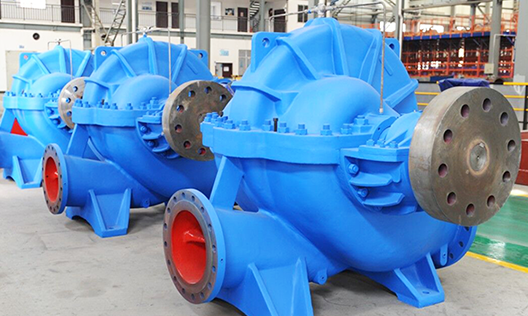
Puede fabricar 26 series de productos, incluyendo bombas de circulación para grandes centrales eléctricas, bombas de condensación para grandes centrales eléctricas, bombas petroquímicas, bombas multietapa, bombas de aguas residuales y lodo, bombas multietapa autoequilibradas, bombas de doble succión y única etapa tipo split, y bombas centrífugas de succión simple y única etapa.
-
Cases
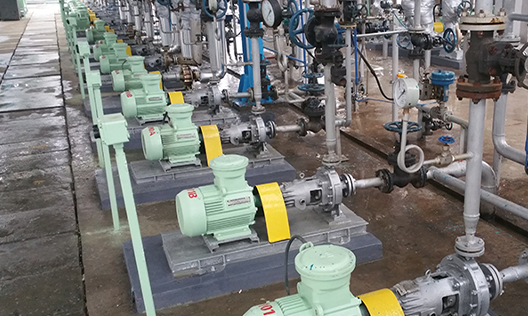
La elección de más de cientos de miles de clientes, cubriendo industrias como minería de carbón, metalurgia, química, energía, recursos hídricos, alimentos, municipalidades y protección ambiental, y exportando a Asia Sudeste, África, América y otros lugares.
-
Service
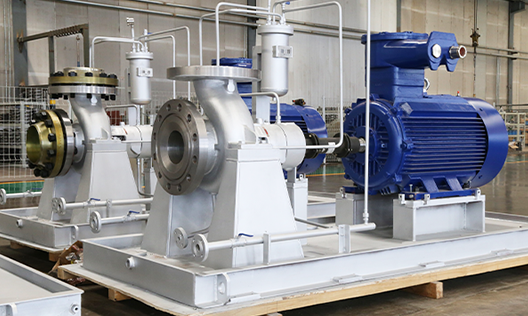
La empresa fue la primera en la industria en obtener las certificaciones internacionales del sistema de calidad ISO 9001:2008, del sistema de gestión ambiental ISO 14001 y del sistema de gestión de seguridad y salud ocupacional GB/T 28001, además de la certificación API 610 de la Asociación Estadounidense del Petróleo.
-
About us
La empresa, fundada en 1989, es una empresa nacional de alta tecnología integral que integra diseño, investigación y desarrollo, fabricación y servicios; actualmente es una empresa clave en la industria china de bombas centrífugas y una de las grandes fábricas especializadas.
-

Blogs
Con productos innovadores, calidad excepcional y servicios integrales, buscamos la verdad y la pragmática, avanzamos con iniciativa, y nos esforzamos por lograr el objetivo de ser "la marca líder en el campo de aplicación de bombas centrífugas en el país"! Raigada en Hunan, orientada a todo el país y hacia el mundo!
Understanding Hot Water Pumps: A Comprehensive Guide
Publication Date:
2025-10-22
Author:
Source:


At the core of a hot water pump's design is its ability to manage the unique challenges posed by high temperatures. Unlike standard centrifugal pumps, hot water pumps are constructed with materials that can withstand thermal stress and corrosion caused by heated water. This ensures longevity and reliability in demanding industrial environments. Typically, these pumps are equipped with special seals and bearings made to endure high thermal conditions without compromising performance.
There are several types of hot water pumps available, each suited for specific applications. Centrifugal pumps are often used due to their efficiency and ability to handle large volumes of water. They operate by converting rotational energy into hydraulic energy, making them effective for moving fluids through a system. Additionally, positive displacement pumps may also be employed in situations requiring precise flow control, making them ideal for dosing applications in various processes.
When selecting a hot water pump, it is crucial to consider several factors, including flow rate, head pressure, and temperature range. The flow rate determines how much water the pump can move within a given time, while head pressure refers to the height the pump can lift water. Understanding these parameters is essential for ensuring that the pump meets the specific needs of your system. Additionally, the temperature range should align with the requirements of the application to prevent overheating, which can lead to pump failure.
Hot water pumps are widely used across different industries. In the food processing sector, they facilitate sanitization processes by providing hot water for cleaning equipment. In manufacturing, they can be part of heating systems, ensuring that materials are processed under optimal conditions. Furthermore, in HVAC (Heating, Ventilation, and Air Conditioning) systems, hot water pumps play a pivotal role in heating buildings efficiently.
Overall, hot water pumps are indispensable in many industrial applications. Their ability to handle elevated temperatures and provide reliable performance makes them a vital part of the machinery that drives productivity. By understanding the types, applications, and selection criteria of hot water pumps, professionals can make informed decisions that enhance operational efficiency and extend equipment lifespan. This knowledge not only improves system performance but also contributes to cost savings in the long run.
Recommended Information



Related Products
Perhaps you also want to know?
Zoomlian Pump Industry
Address:No. 210, Environmental Protection Middle Road, Yuhua Economic Development Zone, Changsha City, Hunan Province China
All rights reserved © Changsha Zoomlian Pump Co., Ltd.
This website supports IPv4 IPv6 bidirectional access
Website construction:Zhongqi Power Changsha