

-
Products
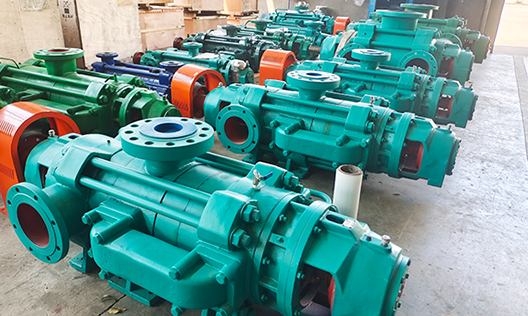
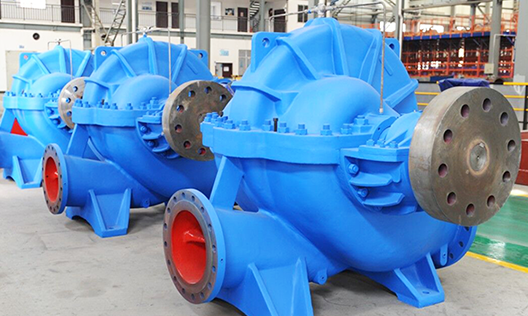
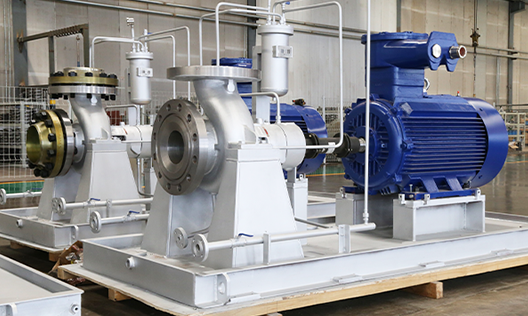
Puede fabricar 26 series de productos, incluyendo bombas de circulación para grandes centrales eléctricas, bombas de condensación para grandes centrales eléctricas, bombas petroquímicas, bombas multietapa, bombas de aguas residuales y lodo, bombas multietapa autoequilibradas, bombas de doble succión y única etapa tipo split, y bombas centrífugas de succión simple y única etapa.
-
Cases
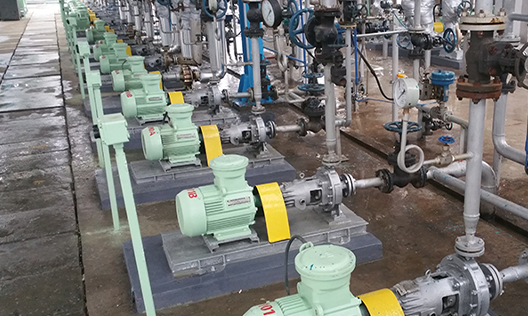
La elección de más de cientos de miles de clientes, cubriendo industrias como minería de carbón, metalurgia, química, energía, recursos hídricos, alimentos, municipalidades y protección ambiental, y exportando a Asia Sudeste, África, América y otros lugares.
-
Service
La empresa fue la primera en la industria en obtener las certificaciones internacionales del sistema de calidad ISO 9001:2008, del sistema de gestión ambiental ISO 14001 y del sistema de gestión de seguridad y salud ocupacional GB/T 28001, además de la certificación API 610 de la Asociación Estadounidense del Petróleo.
-
About us
La empresa, fundada en 1989, es una empresa nacional de alta tecnología integral que integra diseño, investigación y desarrollo, fabricación y servicios; actualmente es una empresa clave en la industria china de bombas centrífugas y una de las grandes fábricas especializadas.
-

Blogs
Con productos innovadores, calidad excepcional y servicios integrales, buscamos la verdad y la pragmática, avanzamos con iniciativa, y nos esforzamos por lograr el objetivo de ser "la marca líder en el campo de aplicación de bombas centrífugas en el país"! Raigada en Hunan, orientada a todo el país y hacia el mundo!
The Advantages of Self-Priming Pumps Over Centrifugal Pumps
Publication Date:
2025-10-19
Author:
Source:


The Advantages of Self-Priming Pumps Over Centrifugal Pumps
Self-priming pumps have gained significant recognition in various industries for their unique operational advantages. While centrifugal pumps have long been a staple in the pumping world, self-priming pumps offer excellent efficiency, reliability, and versatility. This article explores the **advantages of self-priming pumps** over their centrifugal counterparts, providing a comprehensive overview that can help you understand the best fit for your industrial needs.
Table of Contents
1. Introduction to Self-Priming Pumps
2. How Do Self-Priming Pumps Work?
3. Key Advantages of Self-Priming Pumps
- 3.1 Easy Startup and Operation
- 3.2 Handling Gas and Air Entrainment
- 3.3 Versatility in Applications
- 3.4 Cost-effectiveness and Maintenance
4. Applications of Self-Priming Pumps
5. Comparative Analysis: Self-Priming vs. Centrifugal Pumps
6. When to Choose a Self-Priming Pump
7. Frequently Asked Questions
8. Conclusion
Introduction to Self-Priming Pumps
In the vast landscape of industrial equipment, pumps serve a crucial role in transporting fluids. Among the various types of pumps available, **self-priming pumps** stand out due to their unique design and capabilities. Unlike centrifugal pumps, which rely on external methods to prime the system, self-priming pumps can create their suction after initially filling their casing with fluid. This characteristic allows them to function efficiently in applications where air might be present in the fluid being pumped.
How Do Self-Priming Pumps Work?
To appreciate the advantages of self-priming pumps, it is essential to understand how they operate. Self-priming pumps combine the principles of centrifugal pumping with a built-in priming mechanism. Initially, the pump casing is filled with liquid, allowing the impeller to create a centrifugal force. This force draws fluid into the impeller and expels it through the discharge.
Once the pump starts, if the liquid level drops or if air enters the system, the **self-priming** mechanism automatically re-establishes suction by creating a vacuum. This process allows self-priming pumps to operate continuously without the need for manual intervention or priming, distinguishing them from traditional centrifugal pumps.
Key Advantages of Self-Priming Pumps
Self-priming pumps offer various benefits that make them preferable in many situations. Here, we explore the most notable advantages:
Easy Startup and Operation
One of the most significant advantages of self-priming pumps is their straightforward startup process. They do not require extensive setup or manual priming, making them ideal for operations that need quick and efficient fluid transfer. This feature is particularly beneficial in applications where downtime can result in significant losses.
Moreover, self-priming pumps can be operated with minimal training, as their intuitive design simplifies the user experience. Consequently, businesses can reduce operational costs and enhance overall productivity.
Handling Gas and Air Entrainment
Self-priming pumps excel in circumstances where gas or air might be present. In many industrial applications, fluids can be contaminated with air pockets or vapor, which can lead to operational inefficiencies or pump failure. Self-priming pumps can handle these conditions without losing their priming ability, ensuring continuous operation even in challenging environments.
This capability makes them ideal for various applications, including wastewater treatment, chemical processing, and even agriculture, where air can easily mix with the liquid being pumped.
Versatility in Applications
The versatility of self-priming pumps is another key advantage. They can be used in a wide range of applications, including:
- **Water Supply Systems**: They are perfect for moving water from wells or reservoirs to distribution systems.
- **Chemical Industries**: Their ability to handle corrosive or volatile liquids makes them a reliable choice for chemical processing plants.
- **Mining and Construction**: These pumps can efficiently manage slurry or liquid with solid particles, making them indispensable in mining operations.
- **Food and Beverage**: Self-priming pumps can handle viscous liquids, including those with varying densities.
This adaptability means that industries can rely on self-priming pumps for diverse applications without needing multiple pump types, resulting in cost savings and simplified inventory management.
Cost-effectiveness and Maintenance
In the long run, self-priming pumps can offer significant cost savings. Their ability to operate without external priming sources reduces the need for additional equipment, cutting down upfront costs. Additionally, self-priming pumps typically have lower maintenance requirements due to their robust design, making them reliable and durable.
Routine maintenance can be conducted easily, as the pumps are less likely to suffer from issues related to cavitation or air pockets, common problems with centrifugal pumps. Consequently, businesses can save on maintenance labor and costs, further enhancing the appeal of self-priming pumps.
Applications of Self-Priming Pumps
Self-priming pumps find application in various sectors due to their efficiency and versatility. Some common applications include:
- **Agriculture**: Used for irrigation systems where they can handle varying water levels and soil conditions.
- **Construction**: Efficiently pump water from construction sites, particularly where flooding is a concern.
- **Marine**: Utilized in boat bilge pumps due to their ability to handle seawater and other fluids that may contain air.
- **Food Processing**: Essential for transferring liquids such as milk, juices, and other viscous products without contamination.
Comparative Analysis: Self-Priming vs. Centrifugal Pumps
When comparing self-priming pumps with centrifugal pumps, several factors come into play:
- **Priming**: Self-priming pumps do not require manual priming, while centrifugal pumps do, making the former more user-friendly.
- **Air Handling**: Self-priming pumps can handle air entrainment effectively, whereas centrifugal pumps can lose efficiency if air disrupts their casing.
- **Maintenance**: Self-priming pumps typically require less maintenance compared to centrifugal pumps due to their design.
- **Cost**: Over time, self-priming pumps can be more cost-effective due to lower operational and maintenance expenses.
Each pump has its strengths and weaknesses, but for applications where air is a concern, self-priming pumps are often the superior choice.
When to Choose a Self-Priming Pump
Selecting the right pump depends on various factors, including:
- **Fluid Type**: If the fluid contains air entrainment or is volatile, a self-priming pump is preferable.
- **Operational Environment**: In applications that experience frequent changes in liquid levels, self-priming pumps can maintain efficiency better than centrifugal pumps.
- **Cost Considerations**: If long-term cost efficiency is a priority, self-priming pumps may provide better value.
Understanding these factors can help businesses choose the right pump for their specific application needs.
Frequently Asked Questions
1. What is the main difference between self-priming pumps and centrifugal pumps?
The primary difference lies in their operation. Self-priming pumps can create suction and eliminate air from the system automatically, while centrifugal pumps rely on external priming methods.
2. Are self-priming pumps more expensive than centrifugal pumps?
While self-priming pumps may have a higher initial cost, they can provide significant savings over time due to reduced maintenance and operational costs.
3. Can self-priming pumps handle solids?
Many self-priming pumps can handle small solids or particulates, making them suitable for applications like wastewater treatment.
4. What maintenance do self-priming pumps require?
Self-priming pumps generally require regular inspections, cleaning, and occasional lubrication, depending on the model and application.
5. In what industries are self-priming pumps most commonly used?
Self-priming pumps are widely used in agriculture, construction, marine applications, food processing, and chemical industries.
Conclusion
In conclusion, self-priming pumps provide numerous advantages over centrifugal pumps, making them an excellent choice for various industrial applications. Their ease of use, ability to handle air, versatility, and cost-effectiveness are compelling reasons to consider them for your pumping needs. As industries continue to evolve, the demand for efficient and reliable pumping solutions will grow, positioning self-priming pumps as a leading choice in the market. Understanding the advantages of these pumps can lead to more informed decisions that enhance operational efficiency and reduce costs.
Recommended Information



Related Products
Perhaps you also want to know?
Zoomlian Pump Industry
Address:No. 210, Environmental Protection Middle Road, Yuhua Economic Development Zone, Changsha City, Hunan Province China
All rights reserved © Changsha Zoomlian Pump Co., Ltd.
This website supports IPv4 IPv6 bidirectional access
Website construction:Zhongqi Power Changsha