

-
Products
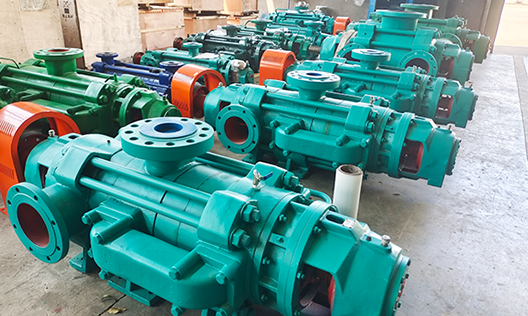
Puede fabricar 26 series de productos, incluyendo bombas de circulación para grandes centrales eléctricas, bombas de condensación para grandes centrales eléctricas, bombas petroquímicas, bombas multietapa, bombas de aguas residuales y lodo, bombas multietapa autoequilibradas, bombas de doble succión y única etapa tipo split, y bombas centrífugas de succión simple y única etapa.
-
Cases
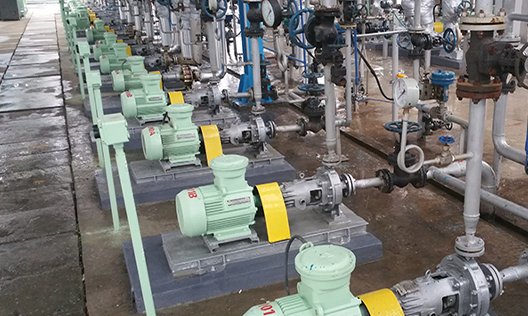
La elección de más de cientos de miles de clientes, cubriendo industrias como minería de carbón, metalurgia, química, energía, recursos hídricos, alimentos, municipalidades y protección ambiental, y exportando a Asia Sudeste, África, América y otros lugares.
-
Service
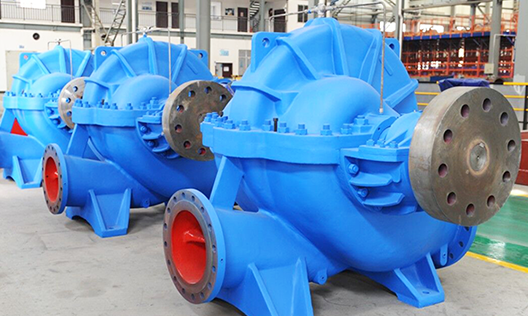
La empresa fue la primera en la industria en obtener las certificaciones internacionales del sistema de calidad ISO 9001:2008, del sistema de gestión ambiental ISO 14001 y del sistema de gestión de seguridad y salud ocupacional GB/T 28001, además de la certificación API 610 de la Asociación Estadounidense del Petróleo.
-
About us
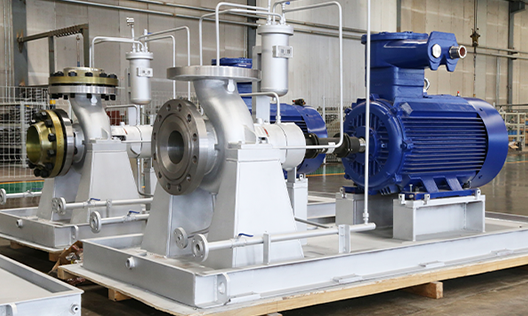
La empresa, fundada en 1989, es una empresa nacional de alta tecnología integral que integra diseño, investigación y desarrollo, fabricación y servicios; actualmente es una empresa clave en la industria china de bombas centrífugas y una de las grandes fábricas especializadas.
-

Blogs
Con productos innovadores, calidad excepcional y servicios integrales, buscamos la verdad y la pragmática, avanzamos con iniciativa, y nos esforzamos por lograr el objetivo de ser "la marca líder en el campo de aplicación de bombas centrífugas en el país"! Raigada en Hunan, orientada a todo el país y hacia el mundo!
Understanding the Critical Role of Boiler Feed Pumps in Thermal Systems
Publication Date:
2026-11-21
Author:
Source:


Understanding the Critical Role of Boiler Feed Pumps in Thermal Systems
Table of Contents
- 1. Introduction to Boiler Feed Pumps
- 2. How Boiler Feed Pumps Operate in Thermal Systems
- 3. The Importance of Boiler Feed Pumps in Industrial Applications
- 4. Different Types of Boiler Feed Pumps
- 5. Maintenance Practices for Boiler Feed Pumps
- 6. Enhancing Energy Efficiency with Boiler Feed Pumps
- 7. Common Issues and Solutions for Boiler Feed Pumps
- 8. The Future of Boiler Feed Pumps in Thermal Systems
- 9. Frequently Asked Questions
- 10. Conclusion
1. Introduction to Boiler Feed Pumps
Boiler feed pumps play a pivotal role in thermal systems, particularly in industrial settings where steam generation is crucial for various processes. These pumps are responsible for supplying water to the boiler, ensuring that it operates efficiently and maintains the desired pressure levels. Understanding the significance of boiler feed pumps is essential for professionals in industries that rely heavily on steam boilers, such as power generation, chemical processing, and food production.
2. How Boiler Feed Pumps Operate in Thermal Systems
Boiler feed pumps function by drawing water from a storage tank and delivering it to the boiler, where it is heated to produce steam. The process can be broken down into several key components:
2.1 Water Source
The **water source** for boiler feed pumps typically comes from a boiler feed water tank or a makeup water tank. This water must meet specific quality standards to prevent corrosion and scaling in the boiler.
2.2 Pump Operation
Boiler feed pumps can be either **centrifugal** or **positive displacement** pumps. Centrifugal pumps are the most commonly used in industrial applications due to their efficiency and ability to handle large flow rates. Positive displacement pumps are used in scenarios requiring precise flow control and high-pressure outputs.
2.3 Pressure Control
Maintaining the proper pressure in the boiler is crucial for steam generation. Boiler feed pumps must be capable of overcoming the pressure in the boiler to ensure that water is delivered effectively. This is often achieved through a combination of pump selection, control valves, and variable speed drives.
3. The Importance of Boiler Feed Pumps in Industrial Applications
The importance of boiler feed pumps in thermal systems cannot be overstated. They contribute to several critical aspects of industrial operations:
3.1 Consistent Steam Generation
Reliable steam generation is essential for maintaining production schedules and operational efficiency. Boiler feed pumps ensure a continuous supply of water, preventing interruptions in steam supply that could result in downtime.
3.2 Enhanced Safety
Inadequate water levels in a boiler can lead to overheating and catastrophic failure. Boiler feed pumps are integral to safety measures, helping to maintain optimal water levels and prevent hazardous conditions.
3.3 Energy Efficiency
Efficient boiler feed pumps contribute to the overall energy efficiency of thermal systems. By ensuring that the boiler operates at its optimal level, these pumps help reduce fuel consumption and lower operating costs.
4. Different Types of Boiler Feed Pumps
Understanding the various types of boiler feed pumps available can aid in selecting the right pump for specific applications:
4.1 Centrifugal Pumps
Centrifugal pumps are widely used in boiler feed applications due to their ability to handle large volumes of water. They operate based on centrifugal force, drawing water into the pump and expelling it at high pressure.
4.2 Positive Displacement Pumps
Positive displacement pumps deliver a fixed volume of water with each cycle, making them suitable for applications that require precise flow control. These pumps can be more complex and often have higher maintenance requirements.
4.3 Multistage Pumps
Multistage pumps are designed to provide high pressure in a compact design. They are particularly effective in applications where space is limited, as they can achieve high pressures without requiring extensive piping.
5. Maintenance Practices for Boiler Feed Pumps
Proper maintenance of boiler feed pumps is essential for ensuring longevity and optimal performance. Here are some best practices:
5.1 Regular Inspections
Routine inspections should focus on identifying leaks, wear, and corrosion. Early detection of issues can prevent costly repairs and downtime.
5.2 Lubrication
Lubricating moving parts according to the manufacturer’s specifications is crucial for reducing friction and wear. This maintenance practice extends the life of the pump and enhances performance.
5.3 Performance Monitoring
Implementing performance monitoring systems can help track pump efficiency and detect deviations from normal operation. This data can inform timely maintenance interventions.
6. Enhancing Energy Efficiency with Boiler Feed Pumps
Energy efficiency is a top priority in modern industrial operations. Here’s how boiler feed pumps contribute to energy savings:
6.1 Variable Frequency Drives (VFDs)
Integrating VFDs with boiler feed pumps allows for precise control of pump speed based on real-time demand, reducing unnecessary energy consumption and optimizing performance.
6.2 Water Quality Management
Maintaining high water quality minimizes scaling and corrosion, leading to improved heat transfer and reduced energy costs. Boiler feed pumps that ensure the right water treatment protocols can significantly contribute to this goal.
6.3 System Design Optimization
Optimizing the design of the boiler feed system, including pipe sizes and layout, can enhance flow rates and reduce energy losses. Collaborating with engineers during the design phase can yield significant long-term savings.
7. Common Issues and Solutions for Boiler Feed Pumps
Despite their robust design, boiler feed pumps can encounter several common issues:
7.1 Cavitation
Cavitation occurs when vapor bubbles form in the pump and collapse, causing damage. This can be mitigated by ensuring adequate inlet pressure and selecting the appropriate pump size.
7.2 Overheating
Overheating can result from inadequate lubrication or excessive operational demands. Implementing regular maintenance checks and ensuring proper flow rates can alleviate this issue.
7.3 Leakage
Leakage can stem from wear on seals or fittings. Regular inspections and timely replacement of worn parts are essential to maintain pump integrity.
8. The Future of Boiler Feed Pumps in Thermal Systems
The future of boiler feed pumps is shaped by advancements in technology and sustainability goals:
8.1 Smart Technologies
The integration of IoT and smart sensors into boiler feed pumps allows for real-time monitoring and predictive maintenance, enhancing efficiency and reducing downtime.
8.2 Sustainability Focus
As industries aim for greener practices, boiler feed pumps are being designed for improved energy efficiency and minimal environmental impact, aligning with global sustainability goals.
9. Frequently Asked Questions
9.1 What is the main function of a boiler feed pump?
The primary function of a boiler feed pump is to supply water to the boiler, ensuring a continuous steam generation process.
9.2 How do I know if my boiler feed pump is failing?
Signs of a failing boiler feed pump include unusual noises, leaks, and fluctuations in system pressure. Regular inspections can help identify these issues early.
9.3 Can I use any pump for my boiler feed system?
No, it is essential to use a pump specifically designed for boiler feed applications to ensure optimal performance and safety.
9.4 How often should I maintain my boiler feed pump?
Routine maintenance should be conducted at least annually, with more frequent checks recommended based on operational demands.
9.5 What are the benefits of using a variable frequency drive with a boiler feed pump?
A variable frequency drive allows for precise control of pump speed, leading to enhanced energy efficiency, reduced wear, and improved performance.
10. Conclusion
Boiler feed pumps are indispensable components of thermal systems, playing a crucial role in steam generation and overall system efficiency. Understanding their operation, maintenance, and importance can help industries optimize performance and ensure safety. By investing in quality boiler feed pumps and adopting best practices, organizations can enhance their operational efficiency, reduce energy costs, and contribute to a sustainable future in industrial processes.
Previous:
Recommended Information


Related Products
Perhaps you also want to know?
Zoomlian Pump Industry
Address:No. 210, Environmental Protection Middle Road, Yuhua Economic Development Zone, Changsha City, Hunan Province China
All rights reserved © Changsha Zoomlian Pump Co., Ltd.
This website supports IPv4 IPv6 bidirectional access
Website construction:Zhongqi Power Changsha