

-
Products
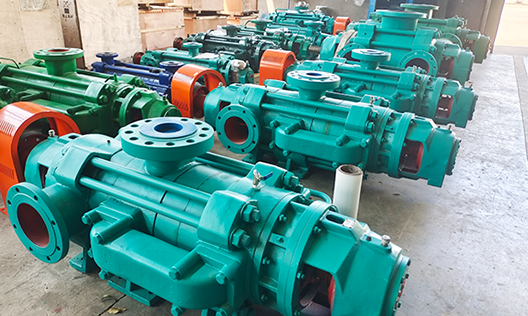
Puede fabricar 26 series de productos, incluyendo bombas de circulación para grandes centrales eléctricas, bombas de condensación para grandes centrales eléctricas, bombas petroquímicas, bombas multietapa, bombas de aguas residuales y lodo, bombas multietapa autoequilibradas, bombas de doble succión y única etapa tipo split, y bombas centrífugas de succión simple y única etapa.
-
Cases
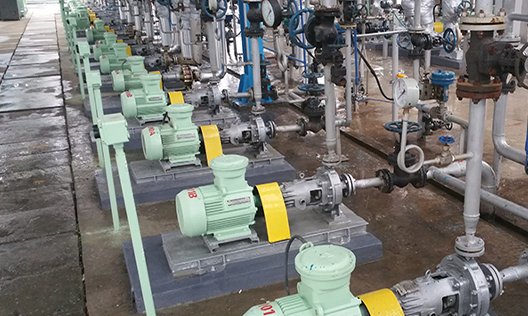
La elección de más de cientos de miles de clientes, cubriendo industrias como minería de carbón, metalurgia, química, energía, recursos hídricos, alimentos, municipalidades y protección ambiental, y exportando a Asia Sudeste, África, América y otros lugares.
-
Service
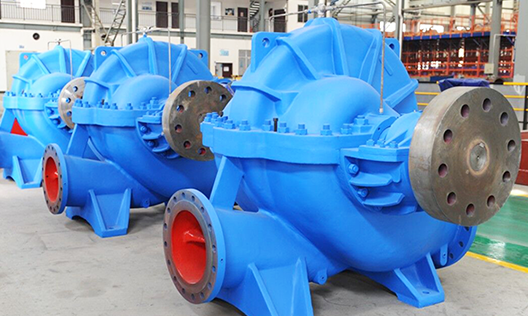
La empresa fue la primera en la industria en obtener las certificaciones internacionales del sistema de calidad ISO 9001:2008, del sistema de gestión ambiental ISO 14001 y del sistema de gestión de seguridad y salud ocupacional GB/T 28001, además de la certificación API 610 de la Asociación Estadounidense del Petróleo.
-
About us
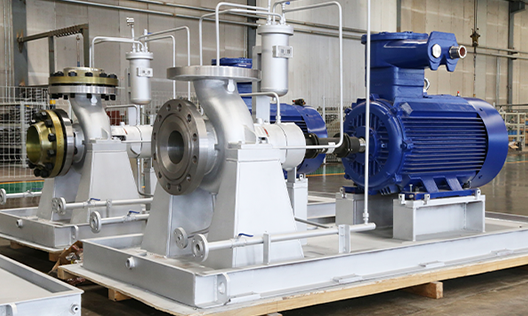
La empresa, fundada en 1989, es una empresa nacional de alta tecnología integral que integra diseño, investigación y desarrollo, fabricación y servicios; actualmente es una empresa clave en la industria china de bombas centrífugas y una de las grandes fábricas especializadas.
-

Blogs
Con productos innovadores, calidad excepcional y servicios integrales, buscamos la verdad y la pragmática, avanzamos con iniciativa, y nos esforzamos por lograr el objetivo de ser "la marca líder en el campo de aplicación de bombas centrífugas en el país"! Raigada en Hunan, orientada a todo el país y hacia el mundo!
Exploring the Benefits of Hot Water Pumps in Manufacturing: Elevate Efficiency and Performance
Publication Date:
2026-11-15
Author:
Source:


Exploring the Benefits of Hot Water Pumps in Manufacturing
Table of Contents
1. Introduction to Hot Water Pumps in Manufacturing
2. The Importance of Hot Water Pumps
3. Key Benefits of Hot Water Pumps
3.1 Enhanced Efficiency in Manufacturing Processes
3.2 Improved System Performance and Reliability
3.3 Cost Savings and Energy Efficiency
3.4 Versatility in Applications
4. Applications of Hot Water Pumps in Various Industries
4.1 Food and Beverage Industry
4.2 Chemical Processing
4.3 Textile and Dyeing Industry
4.4 HVAC Systems
5. Maintenance Best Practices for Hot Water Pumps
6. Sustainability and Environmental Impact
7. Common FAQs about Hot Water Pumps
8. Conclusion
1. Introduction to Hot Water Pumps in Manufacturing
Hot water pumps are vital components within many manufacturing systems, delivering heated water for various applications. These pumps facilitate processes that require precise temperature control, consistent flow, and reliable performance. As industries strive for operational excellence, understanding the benefits of integrating hot water pumps can significantly impact efficiency and productivity.
2. The Importance of Hot Water Pumps
In the manufacturing sector, the need for hot water arises in processes such as cleaning, heating, and material processing. Hot water pumps provide the means to transport heated water to the required location, ensuring processes run smoothly. Their importance cannot be overstated, as they directly affect cycle times, energy consumption, and product quality.
3. Key Benefits of Hot Water Pumps
3.1 Enhanced Efficiency in Manufacturing Processes
One of the primary benefits of hot water pumps is their ability to enhance efficiency. By maintaining optimal temperatures for various processes, these pumps reduce the time necessary for heating and cooling operations. This leads to shorter production cycles and increased throughput, allowing manufacturers to meet growing demand without compromising quality.
3.2 Improved System Performance and Reliability
Hot water pumps are designed for reliability, ensuring consistent performance even under demanding conditions. Their robust construction and advanced technology reduce the likelihood of downtime caused by equipment failures. This reliability translates to fewer interruptions in manufacturing processes, leading to higher overall system performance.
3.3 Cost Savings and Energy Efficiency
Integrating hot water pumps can also result in significant cost savings. By optimizing energy use, these pumps help reduce utility bills. Advanced models are designed for energy efficiency, often employing variable speed drives (VSDs) that adjust the pump operation based on real-time demand. This feature not only lowers energy consumption but also prolongs the lifespan of the equipment.
3.4 Versatility in Applications
Hot water pumps serve a wide range of applications across various industries. From maintaining ideal temperatures in food processing to providing heat for chemical reactions, these pumps demonstrate remarkable versatility. Their adaptability makes them suitable for both small-scale operations and large industrial plants.
4. Applications of Hot Water Pumps in Various Industries
4.1 Food and Beverage Industry
In the food and beverage industry, hot water pumps are essential for cleaning and sanitizing equipment. They provide heated water that meets health and safety standards, ensuring that products are prepared in a clean environment. Additionally, they are utilized in processes like pasteurization, where maintaining specific temperatures is crucial for food safety.
4.2 Chemical Processing
Chemical manufacturing often requires precise temperature control to facilitate reactions. Hot water pumps deliver the necessary heat, ensuring that chemical processes occur efficiently. This control minimizes waste and enhances product quality, ultimately leading to better profitability for manufacturers.
4.3 Textile and Dyeing Industry
The textile industry relies heavily on hot water pumps for dyeing and finishing processes. These pumps maintain the required temperatures for dye solutions, ensuring even color distribution and fabric quality. By enhancing operational efficiency, manufacturers can produce higher-quality textiles faster.
4.4 HVAC Systems
In heating, ventilation, and air conditioning (HVAC) systems, hot water pumps play a crucial role in providing warmth and comfort. They circulate heated water through radiators or underfloor heating systems, ensuring a consistent temperature throughout commercial and industrial spaces.
5. Maintenance Best Practices for Hot Water Pumps
To ensure the longevity and reliability of hot water pumps, regular maintenance is essential. Here are some best practices:
1. **Regular Inspections**: Conduct routine inspections to identify any signs of wear or damage. Check seals, gaskets, and connections for leaks.
2. **Cleaning**: Keep the pump and its components clean to prevent the buildup of dirt or debris, which can hinder performance.
3. **Monitor Performance**: Keep track of the pump's performance metrics, such as flow rate and temperature, to detect any anomalies early on.
4. **Lubrication**: Ensure that moving parts are properly lubricated to reduce friction and wear.
5. **Professional Servicing**: Engage professionals for regular servicing to address any issues that may arise and to keep the pump in optimal condition.
6. Sustainability and Environmental Impact
The integration of hot water pumps is not only beneficial for manufacturers but also supports sustainability initiatives. By optimizing energy use, these pumps help reduce carbon footprints. Additionally, many modern hot water pumps are designed with eco-friendly materials and technologies, further aligning with green manufacturing principles.
7. Common FAQs about Hot Water Pumps
1. What are hot water pumps used for in manufacturing?
Hot water pumps are used in manufacturing for processes that require heated water, such as cleaning, heating, and material processing.
2. How do hot water pumps enhance efficiency?
They enhance efficiency by maintaining optimum temperatures, reducing heating and cooling times, and subsequently shortening production cycles.
3. Are hot water pumps energy-efficient?
Yes, many modern hot water pumps are designed for energy efficiency, utilizing technologies like variable speed drives to minimize energy consumption.
4. What maintenance is required for hot water pumps?
Regular inspections, cleaning, performance monitoring, lubrication, and professional servicing are essential maintenance practices for hot water pumps.
5. Can hot water pumps be used in any industry?
Hot water pumps are versatile and can be used across various industries, including food and beverage, chemical processing, textiles, and HVAC systems.
8. Conclusion
Hot water pumps play a crucial role in enhancing the efficiency, performance, and reliability of manufacturing processes. Their versatility across different industries, coupled with the cost savings and sustainability benefits they offer, makes them an essential component in modern manufacturing. By understanding and implementing hot water pumps effectively, manufacturers can position themselves for success in an increasingly competitive landscape. As we continue to innovate and evolve in manufacturing practices, investing in hot water pump technology is a strategic move that promises substantial returns.
Previous:
Recommended Information


Related Products
Perhaps you also want to know?
Zoomlian Pump Industry
Address:No. 210, Environmental Protection Middle Road, Yuhua Economic Development Zone, Changsha City, Hunan Province China
All rights reserved © Changsha Zoomlian Pump Co., Ltd.
This website supports IPv4 IPv6 bidirectional access
Website construction:Zhongqi Power Changsha