

-
Products
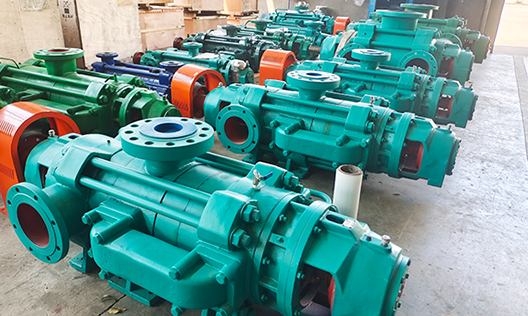
Puede fabricar 26 series de productos, incluyendo bombas de circulación para grandes centrales eléctricas, bombas de condensación para grandes centrales eléctricas, bombas petroquímicas, bombas multietapa, bombas de aguas residuales y lodo, bombas multietapa autoequilibradas, bombas de doble succión y única etapa tipo split, y bombas centrífugas de succión simple y única etapa.
-
Cases
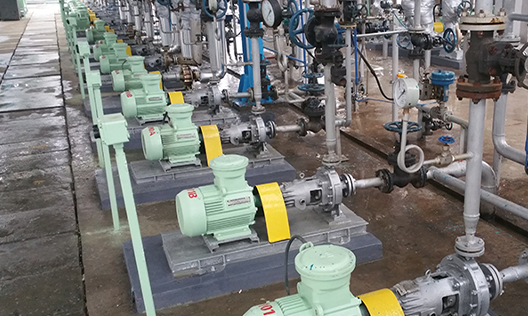
La elección de más de cientos de miles de clientes, cubriendo industrias como minería de carbón, metalurgia, química, energía, recursos hídricos, alimentos, municipalidades y protección ambiental, y exportando a Asia Sudeste, África, América y otros lugares.
-
Service
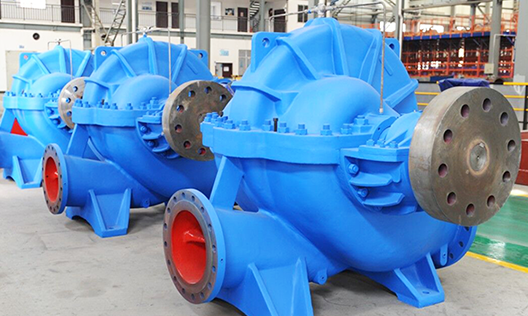
La empresa fue la primera en la industria en obtener las certificaciones internacionales del sistema de calidad ISO 9001:2008, del sistema de gestión ambiental ISO 14001 y del sistema de gestión de seguridad y salud ocupacional GB/T 28001, además de la certificación API 610 de la Asociación Estadounidense del Petróleo.
-
About us
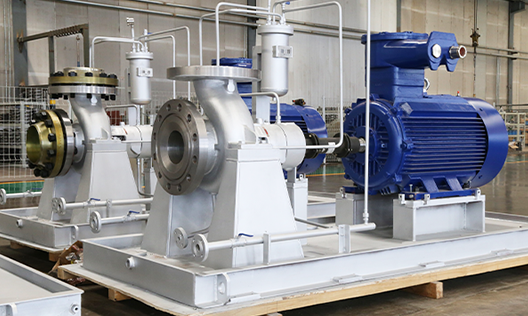
La empresa, fundada en 1989, es una empresa nacional de alta tecnología integral que integra diseño, investigación y desarrollo, fabricación y servicios; actualmente es una empresa clave en la industria china de bombas centrífugas y una de las grandes fábricas especializadas.
-

Blogs
Con productos innovadores, calidad excepcional y servicios integrales, buscamos la verdad y la pragmática, avanzamos con iniciativa, y nos esforzamos por lograr el objetivo de ser "la marca líder en el campo de aplicación de bombas centrífugas en el país"! Raigada en Hunan, orientada a todo el país y hacia el mundo!
Top Features to Look for in a Reliable Hot Water Pump: Your Comprehensive Guide
Publication Date:
2026-10-08
Author:
Source:


Top Features to Look for in a Reliable Hot Water Pump
When embarking on the journey to select a hot water pump, understanding its features is paramount. A reliable hot water pump ensures efficient operation, longevity, and cost-effectiveness. In this guide, we will delve deep into the characteristics that make a hot water pump stand out, aiming to equip you with the knowledge needed to make an informed purchase.
Table of Contents
- Understanding Hot Water Pumps
- Key Features to Consider
- Efficiency Ratings: What You Need to Know
- Material and Build Quality
- Pump Capacity and Flow Rate
- Noise Levels and Operation
- Installation Process and Requirements
- Maintenance and Longevity
- FAQs about Hot Water Pumps
- Conclusion
Understanding Hot Water Pumps
Hot water pumps play a crucial role in various applications, including residential water heating and industrial processes. These pumps are designed to circulate hot water efficiently, ensuring that you have a steady supply when needed. Knowing the fundamentals of how these devices work is essential to appreciating their features.
What is a Hot Water Pump?
A hot water pump is a device that transfers hot water from one location to another. It can be used in systems such as water heaters, boilers, and even in solar heating applications. Depending on the system design, hot water pumps can vary significantly in terms of size, power, and intended use.
Why Are Hot Water Pumps Important?
Hot water pumps are vital for ensuring comfort in residential settings and efficiency in industrial applications. They help maintain consistent water temperatures, reduce energy costs, and enhance the lifespan of heating systems by decreasing wear and tear.
Key Features to Consider
When selecting a hot water pump, several features should be at the forefront of your decision-making process. Understanding these characteristics will help you find a pump that meets your specific needs.
1. Energy Efficiency
Energy efficiency is one of the most critical factors in selecting a hot water pump. Look for models with high energy ratings such as Energy Star certification. An energy-efficient pump can significantly reduce operating costs while delivering reliable performance.
2. Durability and Material Quality
The materials used in a hot water pump directly impact its durability and longevity. Pumps made from high-quality materials such as stainless steel or bronze are usually more resistant to corrosion and wear, ensuring a longer service life.
3. Flow Rate and Capacity
The pump's flow rate, usually measured in gallons per minute (GPM), indicates how much water it can move in a given time. Assessing your hot water needs will help you select a pump with the appropriate capacity.
4. Temperature Resistance
Hot water pumps are exposed to varying temperatures. Ensure the model you choose can withstand the temperatures expected in your system, typically ranging from 140°F to 200°F.
5. Noise Levels
While some noise is expected during operation, a reliable hot water pump should operate quietly. Look for models labeled as “quiet” or “low-noise” to maintain a peaceful environment.
Efficiency Ratings: What You Need to Know
Understanding efficiency ratings is crucial for making an informed decision. The efficiency of a hot water pump can be assessed through various metrics, including the following:
1. Thermal Efficiency
This rating measures how effectively the pump converts energy into heat. A higher thermal efficiency rating indicates that more of the energy consumed is used for heating water.
2. Coefficient of Performance (COP)
COP indicates the ratio of useful heating provided to the energy consumed. A higher COP means the pump is more efficient, providing more heating for each unit of energy used.
3. Energy Factor (EF)
The energy factor reflects the overall efficiency of the pump. This rating considers factors such as standby loss and cycling loss, offering a realistic perspective on energy consumption.
Material and Build Quality
The materials and build quality of a hot water pump significantly influence its performance and longevity. Here are some key considerations:
1. Corrosion Resistance
Pumps made from corrosion-resistant materials, such as stainless steel or composite plastics, are more likely to withstand the rigors of hot water applications. This resistance reduces maintenance needs and extends the pump's lifespan.
2. Sealing and Insulation
Proper sealing prevents leaks and ensures efficient operation. Look for pumps with quality gaskets and seals. Insulated designs also help maintain water temperature and conserve energy.
3. Structural Integrity
The overall construction should be robust enough to handle high pressures and temperatures. A well-built pump will last longer and require fewer repairs.
Pump Capacity and Flow Rate
Choosing the right pump capacity and flow rate is essential for optimal performance.
1. Assessing Your Needs
Consider the total demand for hot water in your household or facility. This includes factors like the number of fixtures that will be using hot water simultaneously.
2. Selecting the Right Flow Rate
Flow rates typically range from low (1-5 GPM) for residential applications to high (above 10 GPM) for commercial use. Make sure to select a pump that meets or exceeds your flow requirements.
Noise Levels and Operation
Noise levels can significantly impact user experience. Reliable hot water pumps should operate quietly without disruptive sounds.
1. Noise Reduction Technology
Many modern pumps incorporate technologies designed to minimize noise. Look for pumps that mention features like vibration dampening or silent operation.
2. Regular Maintenance for Quiet Operation
Performing regular maintenance can also help keep noise levels down. A well-maintained pump runs more smoothly and quietly.
Installation Process and Requirements
Before purchasing a hot water pump, understanding the installation process is crucial.
1. Professional vs. DIY Installation
Consider whether you will install the pump yourself or hire a professional. While DIY installation may save costs, improper installation can lead to inefficiencies or failures.
2. Space Requirements
Ensure you have adequate space for the pump, including access to plumbing and electrical connections. Some models may require additional space for ventilation.
Maintenance and Longevity
Proper maintenance is essential for the longevity and efficiency of any hot water pump.
1. Regular Inspections
Check for leaks, corrosion, and wear regularly. Identifying issues early can prevent costly repairs later.
2. Cleaning and Servicing
Regularly clean filters and ensure that the pump is serviced according to manufacturer guidelines. This practice helps maintain performance and efficiency.
FAQs about Hot Water Pumps
1. How often should I replace my hot water pump?
Most hot water pumps last between 10 to 15 years, depending on usage and maintenance. Regular inspections can help determine when replacement is necessary.
2. Can I install a hot water pump myself?
While some homeowners opt for DIY installation, it is recommended to hire a professional to ensure proper setup and compliance with local codes.
3. What is the average cost of a hot water pump?
Costs vary widely based on size, brand, and features. Budget anywhere from $300 to $2,000 for a decent hot water pump, plus installation costs.
4. How do I know the right size pump for my needs?
Consider the number of fixtures requiring hot water simultaneously and consult a professional to determine the appropriate flow rate and capacity.
5. What should I do if my hot water pump is making noise?
Check for loose components or debris in the impeller. If noise persists, consult a professional to diagnose potential issues.
Conclusion
Selecting a reliable hot water pump involves careful consideration of various features and specifications. From energy efficiency to build quality and flow rates, understanding these aspects ensures you make an informed choice that meets your needs. Regular maintenance and proper installation further enhance the longevity and performance of your hot water pump. By keeping these factors in mind, you can ensure a consistent and efficient hot water supply for your home or business.
Previous:
Recommended Information


Related Products
Perhaps you also want to know?
Zoomlian Pump Industry
Address:No. 210, Environmental Protection Middle Road, Yuhua Economic Development Zone, Changsha City, Hunan Province China
All rights reserved © Changsha Zoomlian Pump Co., Ltd.
This website supports IPv4 IPv6 bidirectional access
Website construction:Zhongqi Power Changsha