

-
Products
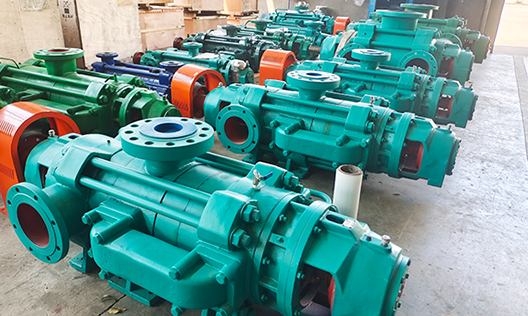
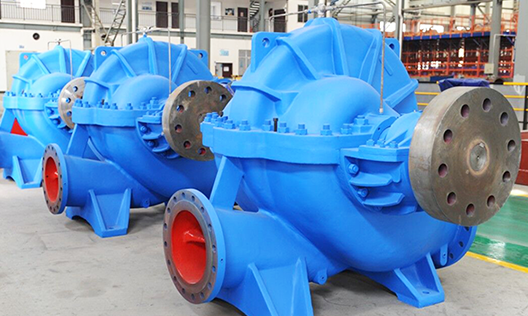
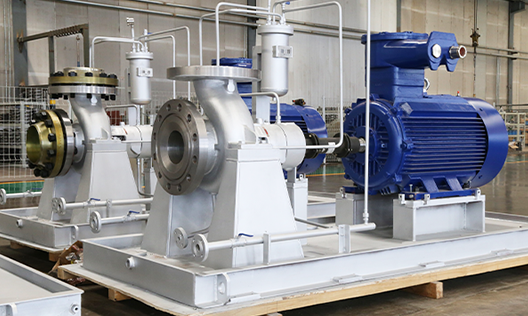
Puede fabricar 26 series de productos, incluyendo bombas de circulación para grandes centrales eléctricas, bombas de condensación para grandes centrales eléctricas, bombas petroquímicas, bombas multietapa, bombas de aguas residuales y lodo, bombas multietapa autoequilibradas, bombas de doble succión y única etapa tipo split, y bombas centrífugas de succión simple y única etapa.
-
Cases
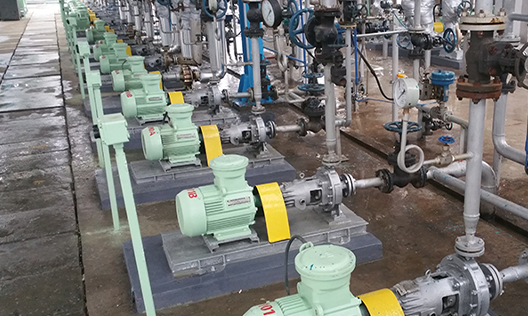
La elección de más de cientos de miles de clientes, cubriendo industrias como minería de carbón, metalurgia, química, energía, recursos hídricos, alimentos, municipalidades y protección ambiental, y exportando a Asia Sudeste, África, América y otros lugares.
-
Service
La empresa fue la primera en la industria en obtener las certificaciones internacionales del sistema de calidad ISO 9001:2008, del sistema de gestión ambiental ISO 14001 y del sistema de gestión de seguridad y salud ocupacional GB/T 28001, además de la certificación API 610 de la Asociación Estadounidense del Petróleo.
-
About us
La empresa, fundada en 1989, es una empresa nacional de alta tecnología integral que integra diseño, investigación y desarrollo, fabricación y servicios; actualmente es una empresa clave en la industria china de bombas centrífugas y una de las grandes fábricas especializadas.
-

Blogs
Con productos innovadores, calidad excepcional y servicios integrales, buscamos la verdad y la pragmática, avanzamos con iniciativa, y nos esforzamos por lograr el objetivo de ser "la marca líder en el campo de aplicación de bombas centrífugas en el país"! Raigada en Hunan, orientada a todo el país y hacia el mundo!
Does a vertical long-shaft pump have axial displacement?
Publication Date:
2025-06-19
Author:
Source:


Vertical Long Shaft Pump Axial displacement occurs during normal operation, which is determined by its structural characteristics and working principle. The following explains the causes, influencing factors, and control methods of axial displacement:
1. Causes of Axial Displacement
Effect of Axial Force
When the vertical long shaft pump operates, the impeller rotation generates axial force (caused by the pressure difference on both sides of the impeller, directed towards the suction end), pushing the pump shaft to move axially. In addition, the reaction force of fluid flow and impeller manufacturing errors may also exacerbate the impact of axial force.
Thermal Expansion Effect
During pump operation, components such as the shaft and bearings generate heat due to friction or changes in medium temperature, causing thermal expansion that leads to slight changes in shaft length, resulting in axial displacement.
Assembly and Installation Errors
Clearances between the pump shaft and components like bearings and impellers, or coaxiality deviations during overall installation, may cause unexpected axial displacement during operation.
2. Effects of Axial Displacement
Positive Effects
Axial displacement within a reasonable range can prevent the shaft from being "stuck" due to thermal expansion or axial force, ensuring flexible relative movement between components.
Negative Effects
If axial displacement is excessive, it may cause friction between the impeller and pump casing, shaft seals, and other parts, increasing wear and even causing vibration, noise, or seal failure;
Under long-term axial force, bearing load increases, potentially shortening bearing life and, in severe cases, causing bearing burnout.
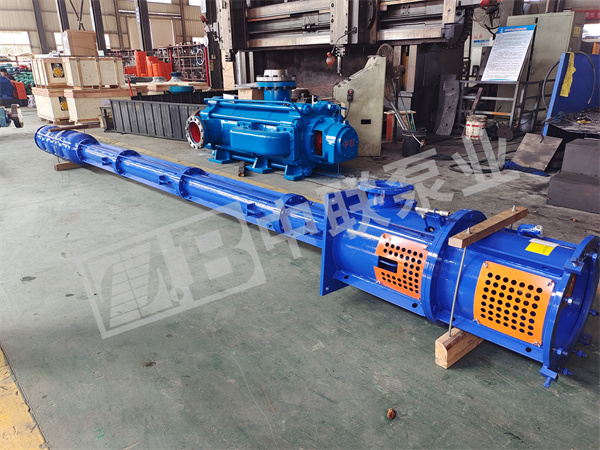
[For more information on vertical long shaft pump models, parameters, selection, and quotation plans, please click the image above]
3. Control and Limitation of Axial Displacement
Structural Design Optimization
Balancing Devices: By setting balance holes, balance discs, or balance drums, part of the axial force is offset to reduce axial displacement. For example, the balance disc can generate reverse thrust by adjusting the clearance to balance the axial force;
Thrust Bearings: Installing high-precision thrust bearings (such as thrust ball bearings or tapered roller bearings) directly limits the axial displacement of the shaft while bearing axial force.
Clearance Control
Strictly control the axial clearance between the shaft and bearings, and between the impeller and pump casing during assembly (usually 0.1~0.5mm, depending on the pump model and working conditions), adjusting clearance accuracy with shims, positioning sleeves, and other parts.
Monitoring and Maintenance
During operation, sensors monitor axial displacement. When displacement exceeds the allowable value (e.g., 1.5 times the design value), alarms trigger for timely inspection of bearing wear, balance device status, or installation accuracy.
4. Typical Cases and Industry Standards
In large vertical long shaft condensate pumps (such as those used in thermal power plants), axial displacement is usually controlled within 0.2~0.3mm to ensure stable axial clearance between the impeller and guide vane casing, avoiding efficiency loss caused by excessive displacement;
Industry standards (such as GB/T 5657-2019 "Technical Conditions for Centrifugal Pumps") clearly specify allowable ranges for axial displacement. Pumps under different working conditions must be designed and accepted according to these standards.
Summary
Vertical Long Shaft Pump Axial displacement is an unavoidable physical phenomenon but can be controlled within a safe range through reasonable structural design, precise assembly, and real-time monitoring. If abnormal vibration, increased noise, or elevated bearing temperature occurs during pump operation, it may be caused by excessive axial displacement and requires timely inspection and adjustment.
Latest News
Related Products
Perhaps you also want to know?
Zoomlian Pump Industry
Address:No. 210, Environmental Protection Middle Road, Yuhua Economic Development Zone, Changsha City, Hunan Province China
All rights reserved © Changsha Zoomlian Pump Co., Ltd.
This website supports IPv4 IPv6 bidirectional access
Website construction:Zhongqi Power Changsha